
As a peanut enthusiast, you might be wondering how to cultivate these delicious legumes in your own backyard. Growing peanuts is a simple process that requires minimal equipment and maintenance. In this article, we’ll delve into the world of peanuts and explore the best practices for cultivating them.
Understanding Peanut Plants
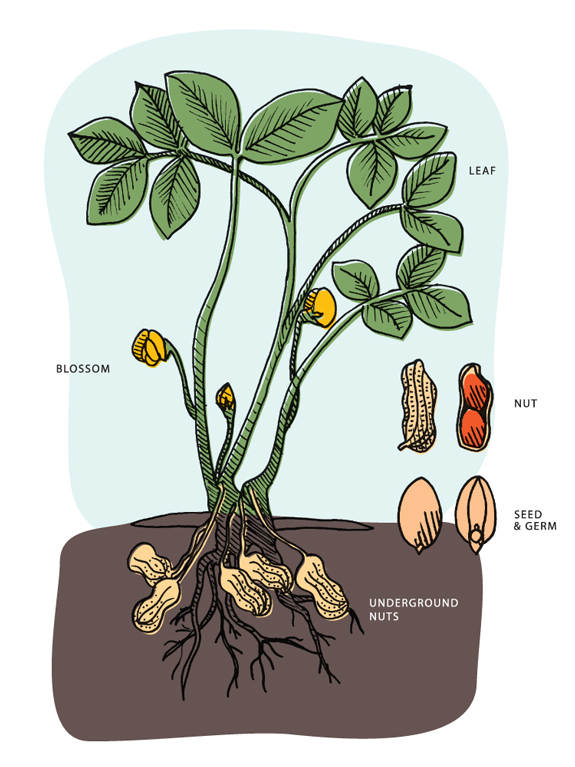
Before we dive into the nitty-gritty of growing peanuts, let’s take a closer look at the plant itself. Peanuts are legumes that resemble chickpeas, with tall stems reaching up to 30 cm in height. When they flower, they produce yellow racemes that eventually turn into seed pods. These pods contain the edible peanuts, which can be harvested after about 7-8 months of growth.
Why Grow Peanuts?
Growing peanuts is a rewarding experience that offers numerous benefits. Not only are they delicious and versatile, but they’re also easy to cultivate and require minimal care. Plus, peanuts are an excellent source of protein, fiber, and healthy fats. By growing your own peanuts, you can enjoy fresh produce all year round and experiment with various recipes.
Growing Peanuts in Your Garden
When it comes to growing peanuts in your garden, the key is to provide optimal conditions for their growth. Here are some essential tips to get you started:
- Soil: Peanuts prefer well-draining soil that’s rich in nutrients. If your soil is heavy clay or sandy, mix in organic matter like compost or manure to improve its structure.
- Climate: Peanuts thrive in warm temperatures between 15°C and 30°C (59°F to 86°F). Avoid planting them in areas with frost, as they’re sensitive to cold temperatures.
- Sunlight: Provide full sun for your peanut plants, which means at least 6 hours of direct sunlight per day.
- Watering: Keep the soil consistently moist during the germination period (about 1-2 weeks). After that, reduce watering to about 1 inch per week.
- Fertilization: Feed your peanuts with a balanced fertilizer once a month. You can also use organic fertilizers like fish emulsion or bone meal.
Harvesting Peanuts
Once your peanut plants have matured, it’s time to harvest the pods. Here’s how:
- Check for maturity: Look for signs of maturity, such as dry, yellowish pods and a slightly sweet aroma.
- Cut the plants: Cut the plants at the base to prevent further growth.
- Dry the pods: Hang the pods upside down in a warm, dry place or spread them out on a paper bag.
- Shell the peanuts: Remove the shells by hand or with a simple tool like a peanut sheller.
Growing Peanuts in Containers
If you don’t have outdoor space for growing peanuts, you can also try container gardening. Here are some tips to get you started:
- Choose the right container: Select a deep container (at least 30 cm) with good drainage holes.
- Select a suitable location: Place your container in a sunny spot that receives at least 6 hours of direct sunlight per day.
- Use a well-draining potting mix: Mix organic matter like compost or manure into the soil to improve its structure.
- Water carefully: Water your peanuts regularly, but avoid overwatering.
Tips and Tricks
Here are some additional tips to help you grow perfect peanuts:
- Monitor for pests: Keep an eye out for common pests like aphids, whiteflies, and spider mites.
- Rotate crops: Rotate your peanut crop every year to maintain soil health and prevent disease buildup.
- Dry the pods properly: Make sure to dry the pods thoroughly before storing them to prevent mold growth.
Frequently Asked Questions
Here are some answers to common questions about growing peanuts:
Q: How long does it take for peanuts to grow?
A: Peanuts typically take around 7-8 months to mature after planting.
Q: Can I grow peanuts in my backyard?
A: Yes, peanuts can be grown in your backyard, provided you have the right climate and soil conditions.
Q: What are some common pests that affect peanut plants?
A: Common pests that affect peanut plants include aphids, whiteflies, spider mites, and nematodes.
Q: Can I grow peanuts in containers?
A: Yes, peanuts can be grown in containers, provided you choose the right container size and location.
Q: How do I harvest peanuts?
A: Harvest your peanuts when they’re mature, dry, and ready to eat. Remove the shells by hand or with a simple tool like a peanut sheller.
Q: Can I store peanuts for long periods?
A: Yes, stored peanuts can last up to 6 months if kept in an airtight container and protected from moisture and pests.
Q: How do I prepare my soil before planting peanuts?
A: Mix organic matter like compost or manure into the soil to improve its structure and fertility.
Common Challenges
Growing peanuts is not without its challenges. Here are some common issues you might face:
- Nematode infestation: Nematodes can be a major problem for peanut plants, especially in containers. Use nematode-resistant varieties and maintain good soil health to prevent infestations.
- Aphid infestation: Aphids can spread quickly, causing damage to your peanut plants. Use neem oil or insecticidal soap to control aphid populations.
- Powdery mildew: Powdery mildew is a fungal disease that can affect peanut plants. Use fungicides like copper-based products to control the disease.
Varieties of Peanuts
There are many different varieties of peanuts available, each with its own unique characteristics and uses. Here are some popular varieties:
- Virginia-type peanuts: These are the most commonly grown variety in the United States, accounting for over 80% of all peanut production.
- Spanish-type peanuts: These peanuts are smaller than Virginia-type peanuts and have a sweeter flavor.
- Runner-type peanuts: These peanuts are bred specifically for their high oil content, making them ideal for frying.
Using Peanuts
Peanuts can be used in a variety of dishes, from savory meals to sweet treats. Here are some popular ways to use peanuts:
- Roasted peanuts: Roasting peanuts brings out their natural oils and flavors, making them perfect for snacking.
- Peanut butter: Grinding peanuts into peanut butter is easy using a food processor or blender.
- Stir-fries: Peanuts can be added to stir-fries for protein and crunch.
Conclusion
Growing peanuts is a rewarding experience that offers numerous benefits. By following these tips and tricks, you can successfully cultivate your own peanuts in your garden or container. Whether you’re looking to grow peanuts for food, fertilizer, or as a companion plant, this beginner’s guide has provided you with the information you need to get started.
Additional Resources
For more information on growing peanuts, check out these additional resources:
- Peanut Council: The Peanut Council is a non-profit organization dedicated to promoting peanut production and research.
- National Peanut Board: The National Peanut Board provides information on peanut cultivation, harvesting, and processing.
- Local nurseries: Visit your local nursery or gardening store for expert advice on growing peanuts in your area.
Glossary of Terms
Here’s a list of key terms related to growing peanuts:
- Nitrogen fixation: Nitrogen is an essential nutrient for plant growth. Legumes like peanuts have the ability to fix nitrogen from the air into their roots.
- Rhizome: A rhizome is a type of underground stem that produces new plants.
- Pod: A pod is the seed-bearing structure that contains the peanut.
- Shell: The shell is the outer covering of the peanut.
FAQs
Here are some additional FAQs related to growing peanuts:
Q: Can I grow peanuts in cold climates?
A: No, peanuts are sensitive to frost and should not be grown in areas with frequent frosts.
Q: How do I care for my peanut plants during winter?
A: Provide protection from wind and extreme temperatures by covering your peanut plants with a breathable cloth or tarp.
Q: Can I grow peanuts in poor soil?
A: Yes, peanuts can tolerate poor soil conditions. However, adding organic matter like compost or manure will improve its fertility and structure.
Q: How do I prevent nematode infestations?
A: Use nematode-resistant varieties and maintain good soil health to prevent infestations.
Additional Tips
Here are some additional tips for growing peanuts:
- Monitor your plants regularly: Regular monitoring will help you identify any potential problems before they become major issues.
- Keep records: Keep a record of your planting dates, harvesting times, and fertilization schedules to track your progress over time.
- Experiment with different varieties: Experimenting with different peanut varieties can help you find the best-suited crop for your climate and soil conditions.
Conclusion
Growing peanuts is a rewarding experience that offers numerous benefits. By following these tips and tricks, you can successfully cultivate your own peanuts in your garden or container. Whether you’re looking to grow peanuts for food, fertilizer, or as a companion plant, this beginner’s guide has provided you with the information you need to get started.
Bonus Section: Peanut Recipes
Here are some delicious peanut recipes to inspire your next meal:
- Thai peanut chicken: Stir-fry chicken breast with peanut butter, soy sauce, and vegetables for a flavorful and easy dinner.
- African-style peanut stew: Simmer peanuts with vegetables and spices to create a hearty and comforting stew.
- Peanut butter cookies: Mix peanut butter with sugar, eggs, and flour to create a delicious and chewy cookie.
Bonus Section: Peanut Health Benefits
Here are some of the health benefits associated with peanuts:
- High protein content: Peanuts are an excellent source of protein, making them a great snack for athletes and fitness enthusiasts.
- Rich in vitamins and minerals: Peanuts are rich in vitamins E and B3, as well as minerals like potassium and magnesium.
- Anti-inflammatory properties: Peanuts contain anti-inflammatory compounds that may help reduce inflammation and improve overall health.
Bonus Section: Peanut Uses
Here are some additional uses for peanuts:
- Fertilizer: Crushed peanut shells can be used as a natural fertilizer to improve soil fertility.
- Compost: Peanuts can be added to compost piles to create nutrient-rich fertilizer.
- Animal feed: Peanuts can be used as a nutritious feed supplement for animals.
I hope this beginner’s guide has provided you with the information and inspiration you need to start growing peanuts. Happy gardening!


