
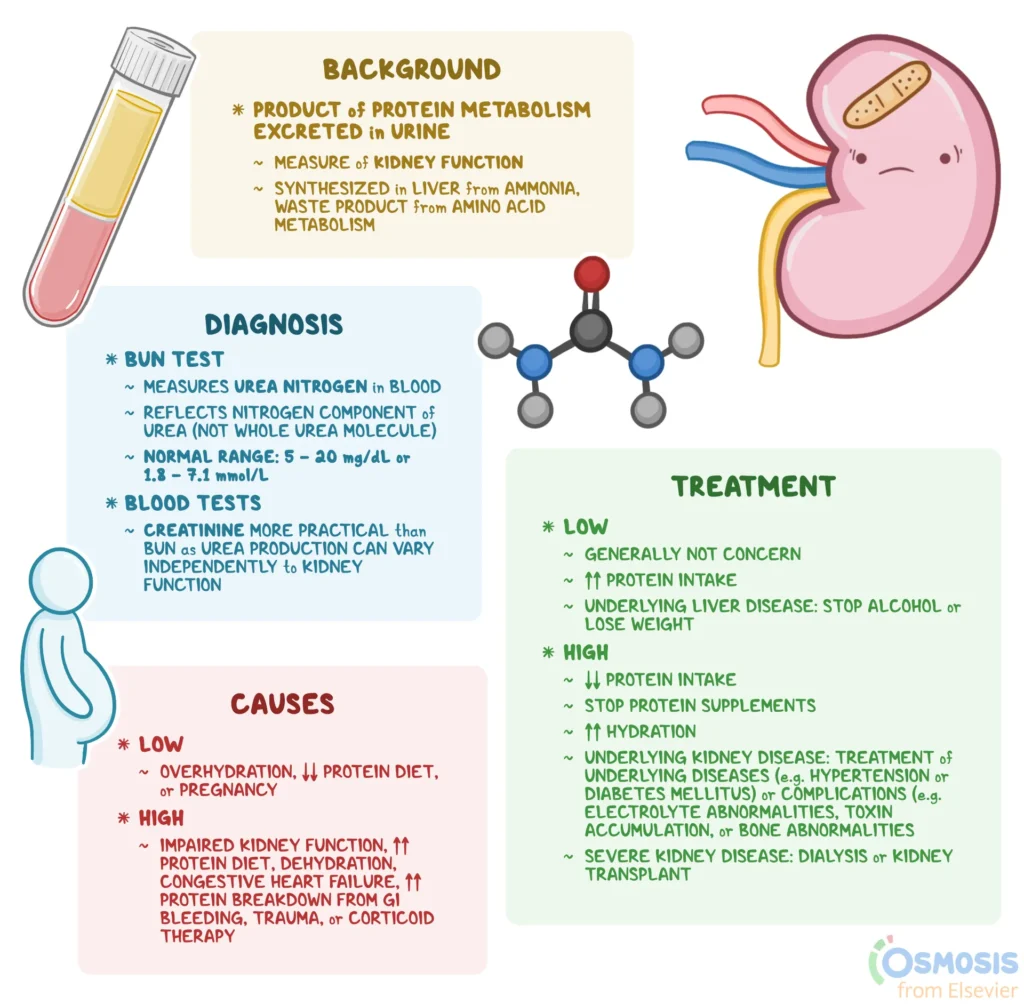
As we delve into the world of nutrition and health, one term that often comes up is urea. While it’s commonly associated with agriculture, urea has a significant impact on our overall well-being, particularly when it comes to kidney function. In this article, we’ll explore the ins and outs of urea, including its values, symptoms, and remedies.
Urea Values: What Do They Mean?
When we talk about urea, we’re referring to a compound that can be found in blood and urine tests. The value obtained from these tests provides crucial information about our kidney function and overall health. Urea is produced by the liver and kidneys during the final stage of protein synthesis, making it an essential indicator of our body’s metabolic processes.
To put this into perspective, let’s consider a normal range for urea levels in the blood. Typically, concentrations fall between 15-40 mg/dL. However, if these values exceed this range, it may indicate azotemia or uremia, which can be a sign of kidney dysfunction.
Causes of High Urea Levels
So, what causes high urea levels? While some factors are beyond our control, others can be addressed through lifestyle changes. Here are some common causes:
• Periods of fasting or dehydration: When we don’t consume enough fluids or nutrients, our body’s metabolic processes slow down, leading to an increase in urea production.
• Diabetes mellitus: High blood sugar levels can damage kidney function, leading to increased urea levels.
• Hemolysis (breakdown of red blood cells): This condition can cause anemia, which may lead to increased urea levels due to the body’s attempt to conserve energy and nutrients.
• Bleeding disorders: Certain bleeding disorders, such as hemophilia, can increase the risk of kidney damage and high urea levels.
• Liver cirrhosis: Scarring of liver tissue can impair its ability to filter waste products from the blood, leading to increased urea levels.
• Certain medications, such as diuretics and corticosteroids: Some medications can cause dehydration or increase blood pressure, both of which can contribute to high urea levels.
It’s essential to note that high urea levels can also be a result of factors like hypothyroidism, anemia, or certain cancers.
Symptoms of High Urea Levels
While high urea levels may not always present with noticeable symptoms, some individuals may experience:
• Fatigue: As the body tries to conserve energy and nutrients, fatigue can become more pronounced.
• Weight loss: Reduced appetite or difficulty absorbing nutrients can lead to weight loss.
• Nausea and vomiting: High urea levels can cause stomach upset and nausea.
• Increased blood pressure: As the kidneys struggle to filter waste products from the blood, blood pressure may rise.
• Tremors: Muscle weakness and fatigue can cause tremors, particularly in the hands and fingers.
• Rapid heart rate: The body’s response to high urea levels can lead to a rapid heartbeat.
• Reduced urine production: When kidney function is impaired, the kidneys produce less urine, leading to an accumulation of waste products.
• Pale skin: High urea levels can cause a decrease in blood flow to the skin, leading to pale or yellowish skin.
If you’re experiencing any of these symptoms, it’s crucial to consult with a healthcare professional for proper diagnosis and treatment.
Natural Remedies for High Urea Levels
Fortunately, there are several natural remedies that can help alleviate high urea levels. These include:
• Dietary changes: reducing protein intake from animal sources
• Drinking plenty of water (at least 2 liters per day): staying hydrated helps the kidneys function properly.
• Avoiding smoking and excessive alcohol consumption: these habits can damage kidney function and increase urea levels.
• Incorporating infusions and herbal teas into your daily routine: certain herbs, such as parsley and dandelion root, have been traditionally used to support kidney health.
While these remedies may not be enough to treat severe cases, they can help stimulate kidney function and overall well-being.
When to Seek Medical Attention
In some cases, high urea levels may require medical attention. If you’re experiencing persistent or severe symptoms, it’s essential to consult with a healthcare professional. They can assess your condition and recommend the necessary course of treatment, which may include dialysis in more severe cases.
Frequently Asked Questions
- What is urea?
Urea is a compound produced by the liver and kidneys during protein synthesis. It plays a crucial role in our body’s metabolic processes and can be found in blood and urine tests. - What are the normal values for urea levels?
Typically, concentrations fall between 15-40 mg/dL. However, this range may vary depending on individual factors. - Can high urea levels be reversed through lifestyle changes?
While some factors can be addressed through dietary changes and increased hydration, others may require medical attention. - What are the symptoms of high urea levels?
Some individuals may experience fatigue, weight loss, nausea, increased blood pressure, tremors, rapid heart rate, reduced urine production, and pale skin. - Can I treat high urea levels with natural remedies?
While some natural remedies can help alleviate high urea levels, they should not be relied upon for treatment in severe cases. - When should I seek medical attention?
If you’re experiencing persistent or severe symptoms, it’s essential to consult with a healthcare professional for proper diagnosis and treatment. - Can kidney function be restored through diet and lifestyle changes?
While dietary changes and increased hydration can help stimulate kidney function, some cases may require medical intervention.
Additional Tips
• Monitor your blood urea levels regularly: tracking changes in your values can help you identify potential issues early on.
• Eat a balanced diet rich in fruits, vegetables, whole grains, and lean proteins: these foods provide essential nutrients and support overall health.
• Stay hydrated by drinking plenty of water: this helps the kidneys function properly and maintain healthy blood chemistry.
• Exercise regularly: physical activity supports overall health and can help stimulate kidney function.
• Manage stress: high levels of stress can contribute to increased urea production, so finding healthy ways to manage stress is essential.
By understanding the ins and outs of urea, we can better appreciate its importance in maintaining our overall health and well-being. Remember to consult with a healthcare professional if you have any concerns about your urea levels or kidney function.


