
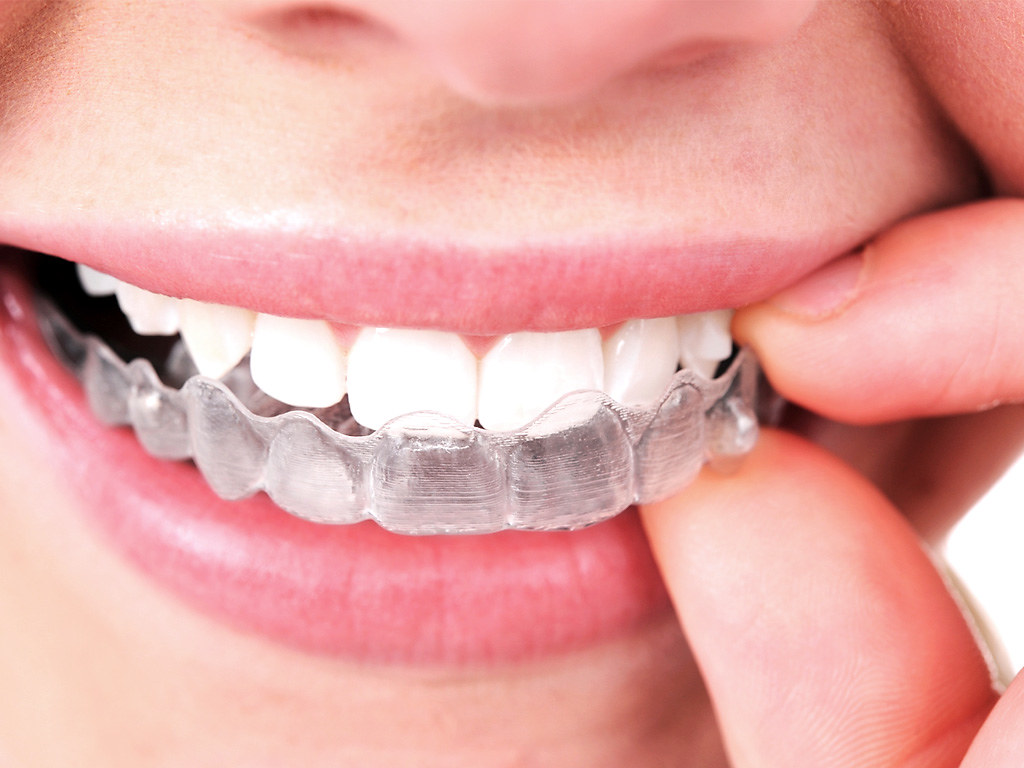
As we navigate the challenges of adolescence and adulthood, our smiles can become a source of insecurity. In the past, orthodontic appliances were often visible, leading to self-consciousness and social anxiety. However, with advancements in technology, invisible aligners have revolutionized the field of dentistry.
What is an Invisible Aligner?
Invisible aligners are a type of orthodontic appliance that is designed to be invisible, making it perfect for those who want a discreet solution. Unlike traditional metal braces, which can cause discomfort and social stigma, invisible aligners are made of clear plastic and are removable for easy cleaning.
How Does it Work?
The treatment process begins with a comprehensive evaluation of your teeth to determine the best course of action. Once the plan is in place, you’ll wear a series of custom-made aligners that will gradually shift your teeth into alignment over time. The entire process can take anywhere from 9 to 18 months, depending on the complexity of the case and individual factors.
The Benefits of Invisible Aligners
Invisible aligners offer numerous benefits, including:
• Discreet design: No one will even notice you’re wearing an appliance!
• Less discomfort: The clear plastic material is gentle on your teeth and gums.
• No metal parts: No risk of tags, cuts, or irritation.
• Easy cleaning: Simply remove the aligner for 10-15 minutes each day to brush and floss.
The Cost
While invisible aligners may be more expensive than traditional orthodontic appliances, they offer a range of benefits that make them well worth the investment. Prices can vary depending on the complexity of the case and the type of treatment needed, but here are some general estimates:
• Basic: $3,900 – $4,200
• Premium: $5,000 – $6,500
• Elite: $7,000 – $8,000
Alternative Options
While invisible aligners are a popular choice, there are other options available. For example, orthodontia lingual refers to the placement of small brackets and wires on the backside of teeth, creating a “lipsync” effect that makes them invisible from the front. This treatment can be more expensive, with prices ranging from $8,000 to $10,000 or more.
Invisible Aligner Materials
The materials used to make invisible aligners have come a long way since their introduction in the early 2000s. Today’s aligners are made from a variety of materials, including:
• Acrylic: A common material used for clear aligners, which is durable and resistant to scratches.
• Polycarbonate: A lightweight and flexible material that provides optimal comfort during treatment.
• Resin: A biocompatible material that is used in some invisible aligner systems.
Invisible Aligner Brands
Several companies specialize in manufacturing invisible aligners, including:
• Invisalign: The most well-known brand, which offers a range of products and treatments.
• SmileDirectClub: A popular option for at-home treatment plans.
• ClearCorrect: A more affordable alternative to Invisalign.
How to Choose the Right Invisible Aligner
When choosing an invisible aligner system, it’s essential to consider your individual needs and preferences. Here are some factors to keep in mind:
• Complexity of the case: More complex cases may require specialized systems or longer treatment times.
• Treatment goals: Some systems offer more comprehensive treatments than others.
• Price point: Invisible aligners can range from affordable to very expensive, so consider your budget when making a decision.
Invisible Aligner Treatments
There are several types of invisible aligner treatments available, including:
• Traditional treatment: A custom-made plan that includes multiple aligners and adjustments.
• At-home treatment: An at-home solution that includes aligner trays and a personalized treatment plan.
• Lingual orthodontia: A treatment option that involves placing small brackets on the backside of teeth.
Tips for Wearing Invisible Aligners
Wearing invisible aligners requires some special care to ensure optimal results. Here are some tips to keep in mind:
• Cleanliness: Regularly clean your mouth with soap and water, then rinse with a fluoride-free mouthwash.
• Hygiene: Replace your aligner tray every 1-3 months or as directed by your dentist.
• Dietary restrictions: Avoid eating sticky foods like caramel, candy, or dried fruit.
• Social etiquette: Remove the aligner for meals, special events, or when you want to show off your smile.
Common Invisible Aligner Side Effects
While invisible aligners are generally safe and comfortable, some side effects can occur. Here are some common issues:
• Mild discomfort: Temporary pain or pressure in the mouth.
• Gum irritation: Redness or swelling of the gums during treatment.
• Minor inflammation: Mild redness or tenderness around the teeth.
Invisible Aligner Maintenance
To ensure optimal results, regular maintenance is necessary. Here are some tips:
• Regular check-ups: Schedule regular appointments with your dentist to monitor progress and make adjustments as needed.
• Cleanliness: Regularly clean your mouth with soap and water, then rinse with a fluoride-free mouthwash.
• Hygiene: Replace your aligner tray every 1-3 months or as directed by your dentist.
Invisible Aligner Cost Breakdown
While the upfront cost of invisible aligners can be expensive, it’s essential to consider the long-term benefits. Here’s a breakdown of the estimated costs:
• Initial treatment fees: $2,000 – $4,000.
• Aligner tray replacement: $500 – $1,000 every 6-12 months.
• Regular check-ups: $50 – $200 per appointment.
Conclusion
Invisible aligners have revolutionized the field of orthodontics, offering a discreet and effective solution for achieving a brighter smile. With their numerous benefits and versatility, it’s no wonder they’ve become so popular among individuals of all ages. Whether you’re looking for a quick fix or a long-term solution, invisible aligners can help you achieve the smile of your dreams.
Frequently Asked Questions
- Q: How long does the treatment process take?
A: The duration of the treatment process varies depending on the complexity of the case and individual factors. Typically, it takes anywhere from 9 to 18 months. - Q: Are invisible aligners suitable for everyone?
A: Invisible aligners can be used by individuals of all ages, but they may not be recommended for those with severe bite issues or other complex orthodontic problems. - Q: Can I wear invisible aligners while traveling or eating certain foods?
A: While it’s generally recommended to remove the aligner before meals or special occasions, some cases may require partial coverage during these times. - Q: Are there any potential side effects of wearing an invisible aligner?
A: Mild discomfort, gum irritation, and minor inflammation are possible side effects, but they usually resolve on their own within a few days. - Q: Can I get an invisible aligner without insurance coverage?
A: Yes, some dentists may offer financing options or package deals for individuals without insurance coverage. - Q: Are there any alternative treatments to invisible aligners?
A: Orthodontia lingual and traditional metal braces are two alternative options available. - Q: Can I get an invisible aligner for a specific problem, such as overcrowding or gaps between teeth?
A: Yes, invisible aligners can be tailored to address various orthodontic issues, including overcrowding, gaps, and tooth alignment problems.
By understanding the benefits, costs, and alternatives of invisible aligners, you’ll be better equipped to make an informed decision about your orthodontic treatment. Consult with a qualified dentist or orthodontist today to learn more about how this revolutionary technology can transform your smile!


