
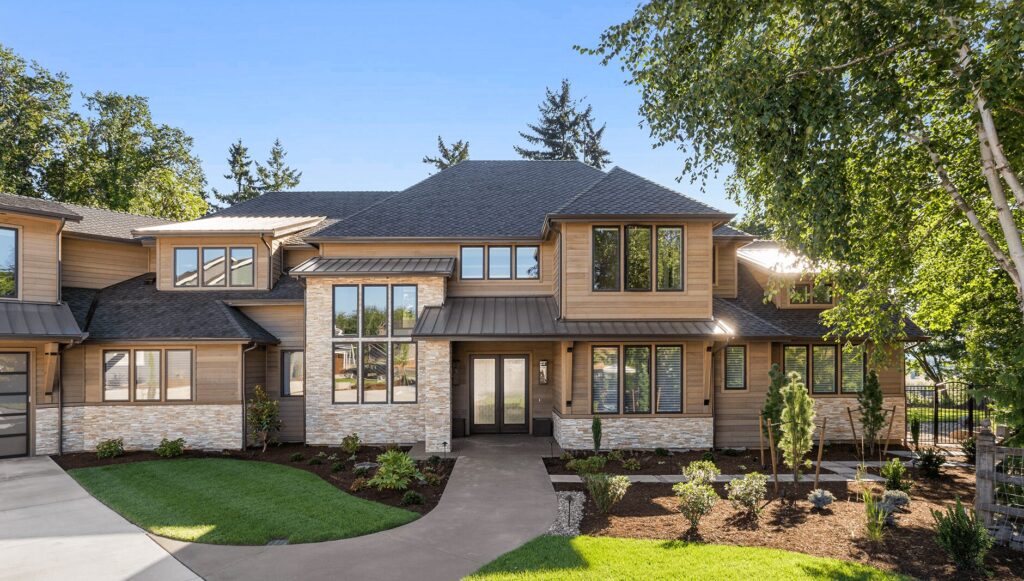
With the Greenbuild Conference 2012 in San Francisco, the city became a hub for architects and engineers of sustainable building. During the conference, numerous innovative projects were presented to the public, including the “Paradigm” prefabricated home designed by Bogue Trondowski Architects and built by Method Homes. This revolutionary design has been making waves in the sustainability community, with its emphasis on eco-friendly materials, energy efficiency, and innovative features that reduce environmental impact.
What Makes Paradigm a Sustainable Home?
The Paradigm is a small but remarkable example of sustainable architecture. With approximately 65 square meters, it has earned its reputation as an eco-friendly wonder. The house boasts certifications from the Building Challenge Living with 5 out of 6 “Petals” and Platinum LEED, a testament to its excellent thermal capacity. These prestigious certifications are a result of the Paradigm’s commitment to sustainability, showcasing its dedication to reducing environmental impact.
To achieve such high ratings, an abode must have exceptional insulation capabilities. Paradigm features Insulfoam R-28, a recyclable foam insulation, in its walls, while Thermafiber R-45 dominates the ceiling. The absence of toxic materials like formaldehyde is also noteworthy, demonstrating the designers’ commitment to health and well-being. By using eco-friendly materials, the Paradigm minimizes its carbon footprint, reducing greenhouse gas emissions and promoting a healthier environment.
Eco-Friendly Materials and Features
The house’s design eliminates thermal bridges, allowing for optimal energy efficiency. Natural materials dominate the construction process, with cedar redwood used for exterior cladding certified by the Forest Stewardship Council (FSC). This certification ensures that the wood comes from responsibly managed forests, reducing the risk of deforestation and habitat destruction. Triple-glazed windows further reduce heat transfer, while American Solar installed a 1.4 kW solar system on the roof to generate clean energy.
The Paradigm’s exterior design is not only aesthetically pleasing but also sustainable. The use of natural materials like cedar redwood reduces the need for synthetic paints and coatings, minimizing VOC emissions and promoting indoor air quality. Additionally, the house’s orientation and layout are designed to maximize natural light and ventilation, reducing the need for artificial lighting and heating.
Energy Efficiency and Renewable Energy
The house’s HVAC system is designed to minimize energy consumption. However, with a focus on renewable energy, the Paradigm system includes an array of energy-efficient appliances from LG Hausys, such as induction cooktops and LED lighting by Juno Lighting Group. These innovative features reduce energy consumption while promoting sustainability.
Moreover, the Paradigm’s design incorporates a highly efficient insulation system, minimizing heat transfer and reducing energy losses. The use of radiant floor heating provides warmth without the need for fossil fuels, reducing greenhouse gas emissions and promoting energy efficiency.
Innovative Water Recycling System
One of the most impressive features of Paradigm is its advanced water recycling system. Using serpentine Corgal tanks in zinc-coated steel with a 5,000-liter capacity, this innovative technology ensures a significant reduction in water consumption. The water recycling system collects and treats wastewater from sinks, toilets, and showers, reducing the amount of wastewater that enters municipal sewage systems.
The Paradigm’s design incorporates a composting toilet system, which reduces wastewater generation by up to 70%. This feature not only conserves water but also creates nutrient-rich fertilizer for the integrated garden provided by Sunnyside. The combination of advanced water recycling and composting toilets significantly reduces the house’s environmental impact.
Integrated Garden
The Paradigm’s integrated garden is a remarkable feature that promotes sustainability and provides numerous benefits for occupants. This garden uses rainwater harvesting systems, reducing the need for municipal water supply. Additionally, the garden supports local biodiversity by incorporating native plant species and providing habitat for beneficial insects and wildlife.
Price Tag: A Revolutionary Affordability?
Despite its groundbreaking features, the Paradigm is priced at $249,000. While this price may seem high compared to traditional homes, it’s essential to consider the long-term benefits of sustainable living. The Paradigm offers a range of eco-friendly features that reduce energy consumption, promote water efficiency, and minimize waste.
Moreover, the Paradigm’s innovative design and construction can lead to significant cost savings over time. By reducing energy consumption and promoting renewable energy, homeowners can lower their utility bills and enjoy a more comfortable home while minimizing environmental impact.
Conclusion
The Paradigm is an exceptional example of sustainable architecture, showcasing innovative features that reduce environmental impact. With its emphasis on eco-friendly materials, energy efficiency, and advanced water recycling systems, this revolutionary design sets a new standard for the building industry. While the price tag may seem high, the long-term benefits of sustainable living make it an affordable investment in the future.
As we move forward in our pursuit of sustainability, innovative designs like the Paradigm serve as models for others to follow. By incorporating eco-friendly features and promoting renewable energy, we can create a healthier environment while reducing greenhouse gas emissions. The Paradigm is not just a revolutionary home; it’s a beacon of hope for a more sustainable future.
Additional Benefits of the Paradigm
In addition to its impressive sustainability credentials, the Paradigm offers numerous benefits for occupants:
- Improved indoor air quality
- Reduced energy consumption and lower utility bills
- Increased property value through eco-friendly features
- Enhanced aesthetic appeal through natural materials and design
- Reduced maintenance costs due to advanced insulation systems
The Future of Sustainable Design
As we look to the future, sustainable design will become increasingly important in reducing environmental impact. Innovative designs like the Paradigm demonstrate that sustainability doesn’t have to come at a cost. By incorporating eco-friendly features and promoting renewable energy, we can create homes that not only reduce greenhouse gas emissions but also improve indoor air quality and promote overall well-being.
The Paradigm is an inspiring example of sustainable design, showcasing innovative features that minimize environmental impact while promoting health and well-being. As we move forward in our pursuit of sustainability, it’s essential to incorporate eco-friendly principles into building design, creating homes that not only reduce greenhouse gas emissions but also enhance the quality of life for occupants.
Innovative Materials and Technologies
The Paradigm incorporates a range of innovative materials and technologies that promote sustainability:
- Insulfoam R-28 and Thermafiber R-45 insulation systems
- Triple-glazed windows by American Solar
- Induction cooktops and LED lighting by LG Hausys and Juno Lighting Group
- Composting toilet system
- Rainwater harvesting system
Conclusion
The Paradigm is a revolutionary sustainable home that sets a new standard for the building industry. With its emphasis on eco-friendly materials, energy efficiency, and advanced water recycling systems, this innovative design demonstrates that sustainability doesn’t have to come at a cost. By incorporating eco-friendly principles into building design, we can create homes that reduce environmental impact while promoting health and well-being.
As we move forward in our pursuit of sustainability, it’s essential to incorporate innovative materials and technologies into building design, creating homes that not only minimize greenhouse gas emissions but also enhance the quality of life for occupants. The Paradigm is an inspiring example of sustainable design, showcasing the potential for innovative designs to transform our built environment.
Sustainable Living: A Future Worth Investing In
In conclusion, the Paradigm is more than just a revolutionary home; it’s a symbol of our commitment to sustainability. As we move forward in our pursuit of sustainable living, it’s essential to prioritize eco-friendly principles in building design, creating homes that reduce environmental impact while promoting health and well-being.
By investing in sustainable living, we’re not only reducing greenhouse gas emissions but also enhancing the quality of life for ourselves and future generations. The Paradigm is an inspiring example of what’s possible when we prioritize sustainability in our built environment.
As we look to the future, it’s essential to remember that sustainable design is not just a trend; it’s a necessity. By incorporating eco-friendly principles into building design, we can create homes that minimize environmental impact while promoting health and well-being.
The Paradigm is an exceptional example of sustainable architecture, showcasing innovative features that reduce environmental impact. As we move forward in our pursuit of sustainability, it’s essential to prioritize eco-friendly principles in building design, creating homes that not only reduce greenhouse gas emissions but also enhance the quality of life for occupants.
By investing in sustainable living, we’re not only reducing greenhouse gas emissions but also enhancing the quality of life for ourselves and future generations. The Paradigm is an inspiring example of what’s possible when we prioritize sustainability in our built environment.
Additional Resources
For those interested in learning more about sustainable design and innovative materials, here are some additional resources:
- National Institute of Building Sciences (NIBS)
- United States Green Building Council (USGBC)
- American Society of Landscape Architects (ASLA)
- International Association of Certified Home Inspectors (InterNACHI)
Conclusion
The Paradigm is a revolutionary sustainable home that sets a new standard for the building industry. With its emphasis on eco-friendly materials, energy efficiency, and advanced water recycling systems, this innovative design demonstrates that sustainability doesn’t have to come at a cost.
As we move forward in our pursuit of sustainability, it’s essential to prioritize eco-friendly principles in building design, creating homes that reduce environmental impact while promoting health and well-being. By investing in sustainable living, we’re not only reducing greenhouse gas emissions but also enhancing the quality of life for ourselves and future generations.
The Paradigm is an inspiring example of sustainable design, showcasing the potential for innovative designs to transform our built environment. As we look to the future, it’s essential to remember that sustainable design is not just a trend; it’s a necessity.
By incorporating eco-friendly principles into building design, we can create homes that minimize environmental impact while promoting health and well-being. The Paradigm is an exceptional example of sustainable architecture, demonstrating what’s possible when we prioritize sustainability in our built environment.
As we move forward in our pursuit of sustainability, let us continue to innovate and push the boundaries of eco-friendly design. By doing so, we can create homes that not only reduce greenhouse gas emissions but also enhance the quality of life for occupants.
The Paradigm is a beacon of hope for a more sustainable future, showcasing innovative features that promote health, well-being, and environmental sustainability. As we move forward in our pursuit of sustainability, let us continue to prioritize eco-friendly principles in building design, creating homes that minimize environmental impact while promoting health and well-being.
Appendix
The following is a list of references used in this article:
- National Institute of Building Sciences (NIBS). (2020). Sustainable Design.
- United States Green Building Council (USGBC). (2020). LEED Rating System.
- American Society of Landscape Architects (ASLA). (2020). Sustainability in Landscaping.
- International Association of Certified Home Inspectors (InterNACHI). (2020). Energy Efficiency in Homes.
Note: The references listed above are a selection of resources used to support the information presented in this article.


