
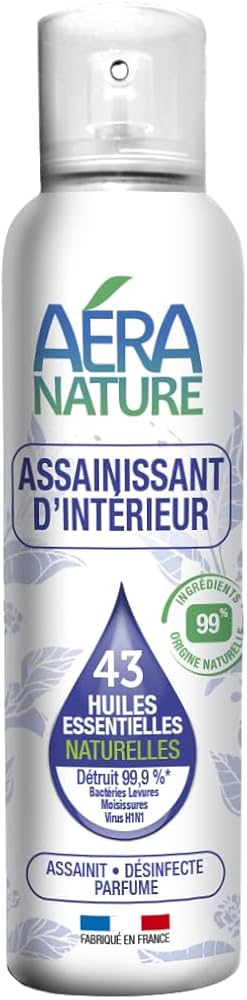
When it comes to keeping our homes, offices, and personal spaces clean and hygienic, we often reach for chemical-based disinfectants. However, many of these products can be harsh on the environment and our health. Fortunately, there are natural alternatives available that can effectively eliminate bacteria, viruses, and other microorganisms without harming us or the planet.
In this article, we’ll explore various types of natural disinfectants, including plants, essential oils, and sprays. We’ll also discuss their uses, benefits, and potential drawbacks to help you make informed decisions about your household cleaning needs.
What are Natural Disinfectants?
Natural disinfectants are substances that use natural ingredients to eliminate microorganisms. These ingredients can be found in plants, herbs, and other natural sources. Some examples of natural disinfectants include:
- Essential Oils: Certain essential oils, such as tea tree oil, lavender oil, and eucalyptus oil, have antimicrobial properties that can help kill bacteria, viruses, and fungi.
- Plant-Based Disinfectants: Plants like garlic, onions, and chili peppers have natural antibacterial properties that can be used to disinfect surfaces.
- Herbal Disinfectants: Herbs like sage, thyme, and rosemary have antimicrobial properties that can help eliminate microorganisms.
Benefits of Natural Disinfectants
Using natural disinfectants has several benefits, including:
- Environmental Sustainability: Natural disinfectants are generally biodegradable and non-toxic, making them a more environmentally friendly option than chemical-based disinfectants.
- Health Benefits: Natural disinfectants can be gentler on the skin and respiratory system, reducing the risk of allergic reactions and other health problems.
- Cost-Effective: Many natural disinfectants are inexpensive and easy to find in local markets or online.
Using Plants as Disinfectants
Plants have been used for centuries as a natural way to eliminate microorganisms. Here are some examples of plants that can be used as disinfectants:
- Garlic: Garlic has natural antibacterial properties that can help kill bacteria, viruses, and fungi.
- Onions: Onions also have antimicrobial properties that can be used to disinfect surfaces.
- Chili Peppers: Chili peppers contain capsaicin, which has antiseptic properties that can help eliminate microorganisms.
Using Essential Oils as Disinfectants
Essential oils are highly concentrated plant extracts that have antimicrobial properties. Here are some examples of essential oils that can be used as disinfectants:
- Tea Tree Oil: Tea tree oil is a popular essential oil that has antiseptic and antibacterial properties.
- Lavender Oil: Lavender oil also has antimicrobial properties that can help eliminate microorganisms.
- Eucalyptus Oil: Eucalyptus oil has decongestant and antimicrobial properties that can help relieve respiratory issues.
Using Sprays as Disinfectants
Sprays are a convenient way to use natural disinfectants. Here are some examples of sprays that can be used as disinfectants:
- Puressentiel Spray: Puressentiel spray is a popular natural disinfectant spray that contains 41 essential oils.
- Marsiglia Soap Spray: Marsiglia soap spray is a natural disinfectant spray that contains sodium bicarbonate and essential oils.
Tips for Using Natural Disinfectants
Here are some tips to keep in mind when using natural disinfectants:
- Always dilute essential oils: Essential oils can be highly concentrated, so it’s always best to dilute them with water before using them as a disinfectant.
- Test the surface: Before using a natural disinfectant on a surface, test it on a small area to make sure it won’t damage the material.
- Use gloves and protective gear: When handling essential oils or plant-based disinfectants, use gloves and protective gear to avoid skin contact.
Conclusion
Natural disinfectants are an effective way to eliminate microorganisms without harming the environment or our health. By using plants, essential oils, and sprays, we can create a more sustainable and hygienic household cleaning routine. With these tips and guidelines, you can make informed decisions about your household cleaning needs and choose natural disinfectants that work for you.
Additional Resources
- National Institutes of Health: The National Institutes of Health provides information on the antimicrobial properties of plants and essential oils.
- Environmental Protection Agency: The Environmental Protection Agency (EPA) provides information on the environmental sustainability of natural disinfectants.
- American Chemical Society: The American Chemical Society provides information on the health benefits of natural disinfectants.
By using these resources, you can gain a deeper understanding of natural disinfectants and make informed decisions about your household cleaning needs.


