
Understanding Poor Circulation in the Legs
Poor circulation in the legs is a common issue, especially among women, after the age of 40. As we age, our arteries become stiffer, and the peripheral circulation is affected. This can lead to uncomfortable symptoms such as burning, heaviness in the legs, painful cramps, tingling, swelling, and edema. These can lead to more severe problems, such as visible skin and capillary alterations, varicose veins, or even ulcers.
The Importance of Making Lifestyle Changes
To prevent, treat, or reduce poor circulation, it’s essential to make some changes to your daily habits. While it may take some time to adjust, the benefits will be worth it in the long run. By incorporating simple lifestyle modifications and natural remedies into your routine, you can significantly improve circulation in your legs.
Identifying the Signs of Poor Circulation
Symptoms like burning, heaviness in the legs, painful cramps, tingling, swelling, and edema are clear indicators of poor circulation. These can lead to more severe problems if left untreated or not managed effectively. It’s essential to recognize these signs and take action promptly.
Natural Remedies for Poor Circulation
Fortunately, there are several natural remedies that can help alleviate the symptoms of poor circulation.
Modifying Your Posture
For those who spend a lot of time sitting at their desk, it’s essential to stand up regularly and walk around. If the issue is severe, try elevating your legs on a chair or stool for 30 minutes. When you’re working, make sure to sit with your feet flat on the floor or use a footrest.
Standing up regularly can help improve circulation by:
- Reducing pressure on veins
- Increasing blood flow to the muscles
- Improving posture
Regular Physical Activity
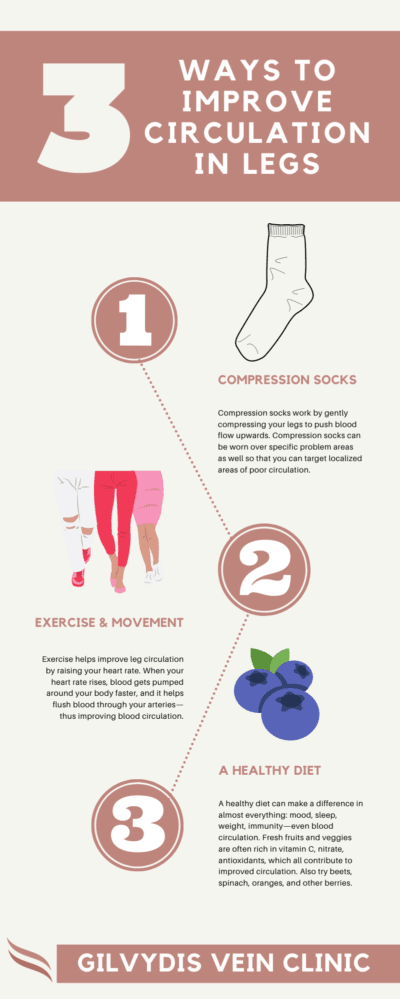
Engage in light physical activity, such as short walks, daily. If you have time, consider swimming, joining a gym, or going for bike rides. Regular exercise helps activate both the lymphatic and circulatory systems, which is essential for improving circulation.
Benefits of regular physical activity:
- Improves cardiovascular health
- Enhances muscle strength and flexibility
- Boosts immune system function
Hydration
Drinking enough water is crucial for flushing out toxins through urination. Make sure to drink at least 2 liters of water per day and increase it to 3 liters when it’s hot or if you’re engaging in physical activity.
Benefits of hydration:
- Maintains healthy blood flow
- Supports kidney function
- Helps eliminate waste products
Elevating Your Legs
Another effective way to improve circulation is by regularly elevating your legs, especially when sitting or sleeping. When watching TV, try propping your feet up on a chair or couch. Before bed, sleep with your feet elevated using pillows or even placing them directly on the wall.
Benefits of elevating legs:
- Reduces swelling and edema
- Improves blood flow to the lower extremities
- Enhances overall circulation
A Healthy Diet
Eat plenty of fruits and vegetables, which are rich in water and nutrients. Avoid foods that can dehydrate you, such as processed meats, sugary snacks, and caffeine. Include foods like cayenne pepper, horseradish, and pomegranate, which have diuretic properties to help improve circulation.
Benefits of a healthy diet:
- Maintains healthy blood flow
- Supports immune system function
- Reduces inflammation
Cold Showers
Start your day with a cold shower, followed by alternating hot and cold water. This technique provides immediate relief from pain and stiffness in the legs.
Benefits of cold showers:
- Improves circulation
- Enhances muscle recovery
- Boosts immune system function
Wearing Compression Socks
Compression socks can help prevent swelling and reduce pressure on veins. Look for ones that fit snugly without being too tight, as they can restrict blood flow.
Benefits of compression socks:
- Reduces swelling and edema
- Improves circulation
- Enhances overall comfort
Reducing Salt and Sugar Intake
Limit your salt and sugar intake to avoid negatively impacting circulation. Choose herbs and sea salt over regular table salt and opt for natural sweeteners like stevia or honey instead of refined sugars.
Benefits of reducing salt and sugar intake:
- Maintains healthy blood flow
- Supports immune system function
- Reduces inflammation
Self-Massage Techniques
Once you get home, dedicate time to massaging your legs to improve circulation. Use a massage oil and gently rub the lower legs from toes to calves while elevating them. You can also try using essential oils like rosemary for added benefits.
Benefits of self-massage techniques:
- Improves circulation
- Enhances muscle relaxation
- Boosts overall well-being
By implementing these natural remedies and lifestyle changes, you’ll be on your way to improving circulation in your legs.
FAQs
- What are some common causes of poor circulation in the legs?
Poor circulation in the legs can be caused by a variety of factors, including genetics, age, obesity, smoking, and certain medical conditions. - How often should I stand up during long periods of sitting?
Stand up every 30-60 minutes to reduce the risk of developing poor circulation. - Can exercise help improve circulation?
Yes, regular physical activity can significantly enhance blood flow and overall health. - What are some natural remedies for poor circulation in the legs?
Some effective natural remedies include elevating your legs regularly, drinking plenty of water, engaging in light physical activity, and using self-massage techniques with a massage oil. - Can compression socks help alleviate symptoms of poor circulation?
Yes, wearing compression socks can provide relief by reducing swelling and pressure on veins. - How often should I drink water to stay hydrated?
Aim for at least 2 liters of water per day, increasing it to 3 liters when needed due to physical activity or hot weather. - Can cold showers improve circulation in the legs?
Yes, alternating hot and cold water can provide immediate relief from pain and stiffness in the legs. - What should I eat to help improve circulation?
Eat a balanced diet rich in fruits, vegetables, lean proteins, and whole grains to support overall health and blood flow.
Consult with your doctor or healthcare professional before making any significant changes to your lifestyle or incorporating new remedies into your routine.
By prioritizing your health and taking proactive steps to address poor circulation in your legs, you can significantly improve your quality of life.


