
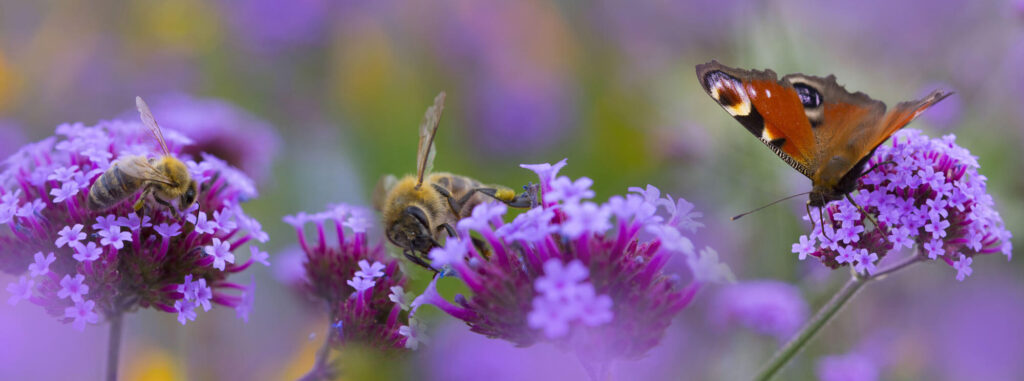
As a gardener, you know the importance of insects in pollinating plants. The Royal Horticultural Society (RHS) has compiled a list of the top 400 flowers that provide nectar and pollen for bees. These tiny creatures are essential for pollination, allowing flowers to reproduce and produce seeds.
In recent years, there has been a significant decline in bee populations. The UK has felt the impact strongly, while Italy has also experienced a notable decrease in apiary activity. To support these vital insects, gardeners can use this list of flower varieties that are ideal for bees and butterflies.
The Importance of Nectar and Pollen
Bees and butterflies rely on nectar and pollen to survive. Without these essential resources, their populations will decline. By planting flowers that provide a steady supply of nectar and pollen, you can help support the local bee and butterfly population.
Nectar is a sweet, energy-rich liquid produced by plants as a reward for pollinators. Bees collect nectar from flowers using their long, tube-shaped tongues (called proboscis). Pollen, on the other hand, is a protein-rich substance produced by plants that provides essential nutrients for bees and butterflies.
Bees collect pollen by transferring it to their hairy bodies, which they then use to feed themselves and their young. Butterflies also collect nectar from flowers, but they do not collect pollen like bees do.
Flowers for Bees: A Guide to Essential Varieties
The RHS has compiled an extensive list of flowers that are perfect for bees. These include:
- Wildflowers like dandelions and daisies
- Herbs like basil and lavender
- Vegetables like pumpkins and squash
Some examples of these essential varieties include:
- Trifolium (a wildflower in the clover family)
- Pastinaca (also known as celery seed lettuce)
- Non ti scordar di me (a type of sweet pea)
- Caprifoglio (clematis)
- Euforbia (a flowering plant that produces a fragrant, powdery substance)
- Violacciocche (buttercup)
- Gerani (geraniums)
- Echinacea (also known as coneflower)
- Agrifoglio (arugula)
- Five-petaled flowers like those found in Elsbero
Attracting Butterflies to Your Garden
Butterflies and bees have different preferences when it comes to nectar-rich flowers. While bees are attracted to a wide range of flowers, butterflies tend to prefer those with more delicate petals.
Some examples of butterfly-friendly flowers include:
- Basil
- Lavender
- Fritillaria (also known as the snowflake)
- Geraniums
Butterflies also require warm temperatures and sunny spots to fly. Consider planting flowers in areas that receive direct sunlight for at least 4-6 hours a day.
Why No Pesticides?
When it comes to attracting bees and butterflies into your garden, it’s essential to avoid using pesticides. These chemicals can harm or even kill these vital insects, making it difficult for them to pollinate plants.
However, there are some exceptions. Some flowers do require pesticides to control pests that might damage their delicate petals. In such cases, consider using organic pest control methods instead of chemical pesticides.
Creating a Bee-Friendly Garden
To create a bee-friendly garden, consider the following tips:
- Plant a variety of flowers that provide nectar and pollen
- Choose single-petaled flowers or those with shorter stems
- Avoid using pesticides when possible
- Provide a source of water for your bees
Some additional tips to create a bee-friendly garden include:
- Create a bee hotel by collecting hollow reeds, bamboo tubes, or wooden blocks and placing them in a sunny spot.
- Provide a source of calcium for bees, such as crushed eggshells or dolomitic limestone.
- Leave some areas of your garden untidy, with weeds and wildflowers, to provide habitat for solitary bees.
Conclusion
As we’ve seen, the power of flowers is not just about aesthetic appeal; it’s also about supporting the local bee and butterfly population. By planting nectar-rich flowers and avoiding pesticides, you can help create a haven for these vital insects.
Whether you’re an experienced gardener or just starting out, there are many ways to support your local bees and butterflies. So next time you’re planning a garden makeover, consider adding some of the following flowers to attract these wonderful creatures into your life.
Frequently Asked Questions
- What is the most important flower for bees?
The RHS recommends planting a variety of flowers that provide nectar and pollen. - Can I use pesticides in my bee-friendly garden?
Only if necessary, and even then, consider using organic alternatives. - How can I attract butterflies to my garden?
Plant flowers with delicate petals, like fritillaria or geraniums. - What is the best way to provide water for bees?
Create a shallow dish of water with rocks or sticks for them to land on while drinking. - Can I use artificial nectar substitutes in my bee-friendly garden?
No, these can harm bees and butterflies. Instead, focus on planting flowers that produce natural nectar. - How often should I replace my flowerbeds?
Replace your flowerbeds every 2-3 years to ensure the health of your bees and butterflies. - Can I grow bee-friendly flowers indoors?
Yes! Many varieties of flowers can thrive in indoor containers, like geraniums or eucalyptus. - How can I support local beekeepers?
Consider purchasing honey directly from local beekeepers or supporting local businesses that promote sustainable beekeeping practices. - Are there any specific flowers that are toxic to bees?
Yes, some flowers like tulips and daffodils contain toxic compounds that can harm bees.


