
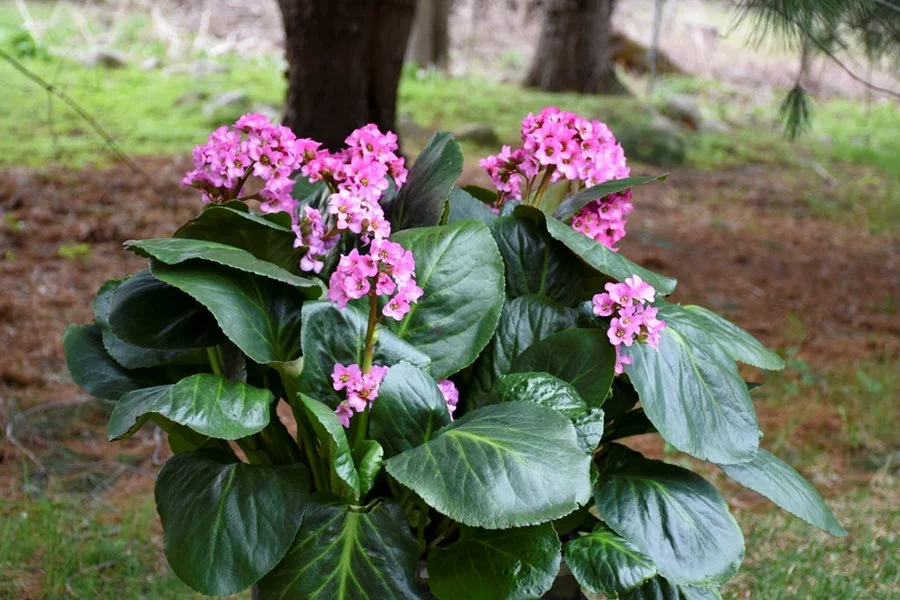
What is Bergenia?
Bergenia is a genus of perennial plants belonging to the family Saxifragaceae. Originating from Central and Eastern Asia, this versatile plant has been cultivated as an ornamental for its striking flowers and adaptability to various environments.
Bergenia’s history dates back thousands of years, with evidence of its cultivation found in ancient China, Japan, and Korea. In Europe, it was highly prized by botanists and florists, who valued its unique beauty and hardiness. Today, bergenia is grown worldwide for its stunning flowers, which come in a range of colors including pink, white, and purple.
History and Significance in Floral Language
Historically, bergenia was widely cultivated in Europe, particularly in Italy, where it’s still cherished today. In the language of flowers, bergenia symbolizes faith, acceptance, and unconditional love, often depicted in shades of pink or white. This symbolism is deeply rooted in the plant’s association with ancient Greek and Roman traditions, where it was used to represent these values.
Bergenia: A Low-Maintenance Perennial
This hardy plant is resistant to disease and can thrive in various conditions, making it an excellent choice for gardeners of all levels. Bergenia’s ease of cultivation lies in its ability to tolerate full sun, partial shade, or even frost, as long as the soil remains well-drained.
In addition to its adaptability, bergenia is also known for its unique characteristics, such as:
- Evergreen foliage: Unlike many perennials, bergenia’s leaves remain green throughout the winter months.
- Drought tolerance: This plant can survive with minimal watering during dry periods.
- Low maintenance: Bergenia requires little pruning and care, making it an ideal choice for busy gardeners.
Cultivating Bergenia: A Step-by-Step Guide
To grow bergenia successfully:
- Select a suitable location: Choose a spot with good air circulation and protection from strong winds.
- Prepare the soil: Ensure the ground is well-draining and fertile, as bergenia prefers rich soil to bloom abundantly.
- Water wisely: Maintain consistent moisture levels but avoid overwatering, which can lead to root rot.
Tips for a Lush Bloom
To encourage optimal flowering:
- Fertilize regularly: Feed the plant with a balanced fertilizer every 15-20 days during the growing season.
- Prune wisely: Remove dead leaves and stems to promote healthy growth and prevent disease.
- Monitor temperature: Protect the plant from extreme temperatures, which can cause damage or discoloration.
Bergenia in Vases: A Versatile Option
Growing bergenia in containers offers flexibility and convenience. Ensure proper drainage holes in the pot and rotate the plant regularly to maintain even growth.
When growing bergenia in vases, keep in mind:
- Drainage is key: Make sure the pot has adequate drainage holes to prevent waterlogged soil.
- Rotate regularly: Rotate the plant every few days to maintain an even growth pattern.
Common Issues and Solutions
If you encounter issues with your bergenia:
- Fungal infections: Treat with a copper-based fungicide or improve air circulation around the plant.
- Pests: Inspect the leaves carefully and treat with insecticidal soap if necessary.
With proper care and attention, your bergenia will thrive, providing a stunning display of pink or white blooms for years to come.
Frequently Asked Questions
- Q: What’s the best time to divide bergenia?
A: Spring (March) or fall (September) are ideal times for division. - Q: How often should I water my bergenia?
A: Keep the soil consistently moist, but avoid overwatering. - Q: Can bergenia be grown in shaded areas?
A: Yes, it can tolerate partial shade to full sun. - Q: What’s the best fertilizer for bergenia?
A: A balanced fertilizer is recommended. - Q: How do I prune dead leaves and stems from my bergenia?
A: Remove them regularly to maintain healthy growth and prevent disease. - Q: Can bergenia be grown in containers?
A: Yes, it can thrive in pots with proper drainage holes. - Q: What’s the ideal temperature for growing bergenia?
A: Protect from extreme temperatures (-5°C or below) by moving to a sheltered location.
By following these guidelines and tips, you’ll be well on your way to cultivating a thriving bergenia that brings beauty and joy to your garden or indoor space.


