
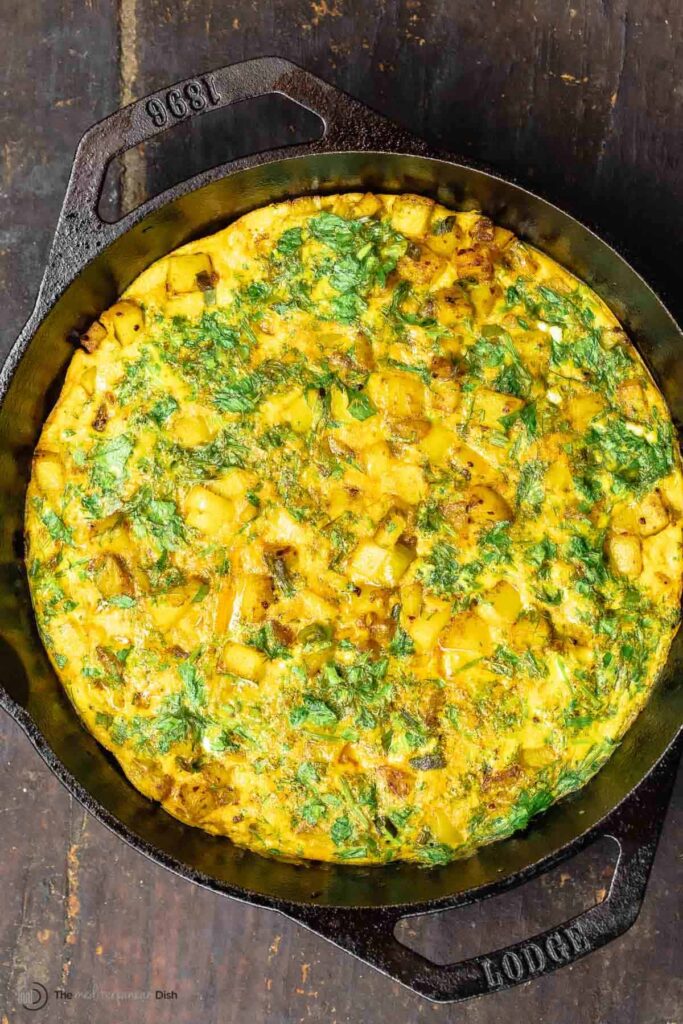
A simple yet versatile dish, the frittata can be easily customized by adding various ingredients such as vegetables, cheese, meats, and more. In this article, we will guide you through the process of making a delicious potato and egg frittata using biologically grown eggs.
The Benefits of Using Biologically Grown Eggs
Biological eggs are a staple in our diet, providing essential nutrients for our bodies. When it comes to choosing biological eggs, look for those with a stamp on the shell that indicates their origin. This code provides valuable information about the egg’s quality and production process. To ensure you’re getting high-quality eggs, opt for those with the “0” code.
Biological eggs are not only a great source of protein, but they also contain essential fatty acids, vitamins, and minerals that promote overall health and well-being. Additionally, using biological eggs reduces the risk of exposure to antibiotics, hormones, and other chemicals commonly found in conventional egg production.
Preparing the Ingredients
For a medium-sized frittata serving 2-3 people, you’ll need:
- 5 biologically grown eggs
- 400 grams of potatoes
- 1 tablespoon of extra virgin olive oil
- Salt and pepper to taste
- 50 grams of Parmesan cheese
It’s essential to choose the right type of potatoes for this recipe. Look for potatoes that are high in starch, such as Russet or Idaho potatoes, as they will yield a fluffier frittata. Avoid using waxy potatoes like red or new potatoes, as they can make the frittata dense and soggy.
Important Tips: Avoid Consuming Germinated Potatoes
Germinated potatoes contain high levels of solanina, which can have toxic effects on the human body. Be sure to choose potatoes that are not germinated, especially if you plan to eat them raw or undercooked. Germinated potatoes can cause a range of symptoms, including nausea, vomiting, and abdominal pain.
Preparing the Frittata
To prepare the frittata:
- Peel and slice the potatoes into 1-centimeter thick slices.
- Boil the potato slices in water for 10 minutes, being careful not to break them apart.
- Drain the slices and set them aside.
- In a bowl, crack the eggs, add salt and pepper, and gently beat them together.
- Add grated Parmesan cheese and sliced potatoes to the egg mixture and mix well.
- Heat a non-stick pan with anti-adhesive properties over medium heat, adding 1 tablespoon of olive oil.
- Once the oil is hot, pour in the egg mixture and cover with a lid.
- Cook for 3-4 minutes on each side, gently stirring the frittata to prevent it from sticking.
Tips for Achieving a Perfect Frittata
To make the frittata less sticky:
- Gently stir the pan continuously while cooking.
- Use a spatula instead of the lid to flip the frittata.
- Apply a small amount of oil to your spatula to prevent sticking.
To avoid a raw egg center:
- Beat the eggs for a longer time before adding them to the pan.
- Adjust the heat as needed to achieve the desired level of doneness.
Variations and Tricks
Add some flavor with meats, vegetables, or herbs. Try adding sliced ham or spinach to your frittata for added taste. Experiment with different cheese combinations to create a unique flavor profile.
Some other variations you can try include:
- Adding diced bell peppers or onions for added crunch
- Using different types of cheese, such as cheddar or mozzarella
- Incorporating fresh herbs like parsley or thyme
- Adding some heat with red pepper flakes or sliced jalapenos
Tips for Cooking with Eggs
Eggs are a versatile ingredient that can be used in a variety of dishes. Here are some tips for cooking with eggs:
- Use room temperature eggs for easier mixing and beating.
- Beat the eggs just until they’re combined, as overbeating can lead to a tough or rubbery texture.
- Cook the eggs over medium heat to prevent them from scrambling or cooking too quickly.
Common Mistakes to Avoid
When making a frittata, there are several common mistakes to avoid. Here are some tips for avoiding these mistakes:
- Don’t overmix the egg mixture, as this can lead to a tough or rubbery texture.
- Use a non-stick pan with anti-adhesive properties to prevent the frittata from sticking.
- Cook the eggs slowly and gently, as high heat can cause them to scramble or cook too quickly.
Conclusion
Making a delicious potato and egg frittata is easier than you think! With these simple steps and tips, you’ll be on your way to creating a tasty breakfast or brunch dish that’s sure to impress. Don’t forget to try out some of our variations and tricks to take your frittata game to the next level.
Frequently Asked Questions
- Q: What type of potatoes should I use for this recipe?
A: Choose potatoes that are high in starch, such as Russet or Idaho potatoes, as they will yield a fluffier frittata. - Q: Can I make this recipe without eggs?
A: Yes, you can make a frittata without eggs by using alternative ingredients such as tofu or tempeh. - Q: How do I store leftover frittatas?
A: Store leftovers in an airtight container in the refrigerator for up to 3 days or freeze them for later use. - Q: Can I make this recipe with gluten-free eggs?
A: Yes, you can substitute traditional eggs with gluten-free eggs, which are available at most grocery stores. - Q: What’s the best way to cook a frittata without sticking?
A: Use a non-stick pan with anti-adhesive properties and apply a small amount of oil before adding the egg mixture.
By following these tips and tricks, you’ll be well on your way to making delicious potato and egg frittatas that are sure to please even the pickiest eaters. Happy cooking!


