
Introduction
As we continue to grapple with the environmental impacts of our food systems, innovative solutions like vertically grown greenhouses are emerging as a promising way forward. In this article, we’ll explore one such solution that’s gaining traction worldwide: the Pet-Tree Vertical.
The Problem with Traditional Farming
Before diving into the benefits of vertical farming, let’s consider why traditional farming methods need a shake-up. For every 25 plastic bottles (PET) used to produce one kilogram of plastic, we need 2 kilograms of petroleum and 17.5 liters of water. This is not only wasteful but also comes with significant environmental costs – think carbon emissions and water pollution.
To make matters worse, the average American throws away 30% of their food, resulting in massive amounts of greenhouse gas emissions from decomposition. Meanwhile, plastic bottles contain a staggering amount of recycled materials that could be repurposed for sustainable agriculture.
Enter the Pet-Tree Vertical: A Sustainable Solution
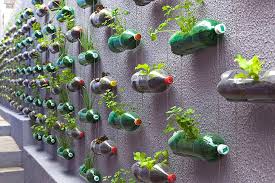
So, what’s the solution? Enter the Pet-Tree Vertical, an innovative system created by Designnobis in Turkey. By repurposing 5-liter plastic bottles, this vertical farm creates a self-sustaining ecosystem that’s perfect for small spaces.
How it Works
The main structure is built using recycled plastics that are fused together with acetate of cellulose. The Pet-Tree Vertical is designed to be easy to assemble and maintain, requiring only the placement of seeds. This system is ideal for balconies or indoor spaces, making it accessible to urban dwellers.
One of the standout features of this design is its innovative watering system. It collects rainwater and delivers it via a drip irrigation method, minimizing water loss and maximizing efficiency. The excess water is collected in plastic bottles at the base of the structure, which can be reused – another clever example of closed-loop sustainability.
Benefits Galore
So, what makes Pet-Tree Vertical so special? Here are just a few benefits:
- Increased yields: This system produces up to 175% more produce than traditional farming methods.
- Water conservation: The watering system is designed to minimize water loss and maximize efficiency.
- Space optimization: By maximizing vertical space, Pet-Tree Vertical helps reduce the environmental impact of food production.
Real-World Applications
Pet-Tree Vertical isn’t just a concept – it’s being used in real-world applications. This eco-friendly system has won several international green awards and is gaining popularity worldwide.
For urban farmers, Pet-Tree Vertical offers an affordable and space-efficient solution for growing fresh produce at home or in small spaces. For large-scale agricultural operations, this innovative design can help reduce waste, conserve resources, and increase yields.
Advantages of Vertically Grown Greenhouses
Vertically grown greenhouses like the Pet-Tree Vertical offer several advantages over traditional farming methods:
- Reduced land use: By growing crops vertically, you can maximize space while minimizing the environmental impact of your farm.
- Improved crop yields: Vertically grown greenhouses allow for more precise control over temperature, humidity, and light – resulting in healthier, more productive crops.
- Increased energy efficiency: These systems often rely on LED lighting, which is more energy-efficient than traditional farming methods.
Challenges and Limitations
While vertically grown greenhouses like the Pet-Tree Vertical offer several advantages, there are also some challenges and limitations to consider:
- High initial costs: Setting up a vertical farm can be expensive, especially for large-scale operations.
- Energy consumption: While LED lighting is more energy-efficient than traditional farming methods, it still requires a significant amount of electricity – which can be a challenge in areas with high energy costs.
- Pest control: Vertically grown greenhouses can be more susceptible to pests and diseases, as these crops are often grown in close proximity to each other.
The Future of Vertical Farming
As we look to the future of vertical farming, it’s clear that innovative solutions like the Pet-Tree Vertical will play a crucial role. By repurposing plastic waste and harnessing cutting-edge technology, we can create more efficient, environmentally friendly farming practices that benefit both people and the planet.
Whether you’re a seasoned urban farmer or just starting out, consider the Pet-Tree Vertical as a solution to your sustainability goals.
Frequently Asked Questions
Q: How does the watering system work?
A: The Pet-Tree Vertical’s innovative watering system collects rainwater and delivers it via a drip irrigation method, minimizing water loss and maximizing efficiency. Excess water is collected in plastic bottles at the base of the structure, which can be reused.
Q: What kind of produce can I grow with Pet-Tree Vertical?
A: The Pet-Tree Vertical is ideal for growing a wide variety of crops, including leafy greens, herbs, and fruits.
Q: How much space do I need to start a Pet-Tree Vertical system?
A: While the exact space requirements will depend on your specific needs, the Pet-Tree Vertical can thrive in even the smallest spaces – making it perfect for urban dwellers and small-scale farmers alike.
Q: Is the Pet-Tree Vertical eco-friendly?
A: Absolutely. This innovative design is built using recycled plastics and minimizes waste throughout its entire lifecycle.
Conclusion
As we strive to create a more sustainable food system, innovations like the Pet-Tree Vertical are crucial. By repurposing plastic waste and harnessing cutting-edge technology, we can create more efficient, environmentally friendly farming practices that benefit both people and the planet.
Whether you’re a seasoned urban farmer or just starting out, consider the Pet-Tree Vertical as a solution to your sustainability goals.
Glossary of Terms
- LED lighting: A type of energy-efficient lighting that uses light-emitting diodes (LEDs) to produce light.
- Drip irrigation: A method of watering plants by delivering water directly to the roots through a network of tubes and drippers.
- Closed-loop sustainability: A system in which materials are reused or recycled throughout their lifecycle, minimizing waste and environmental impact.
Conclusion
As we strive to create a more sustainable food system, innovations like vertically grown greenhouses will play a crucial role.


