
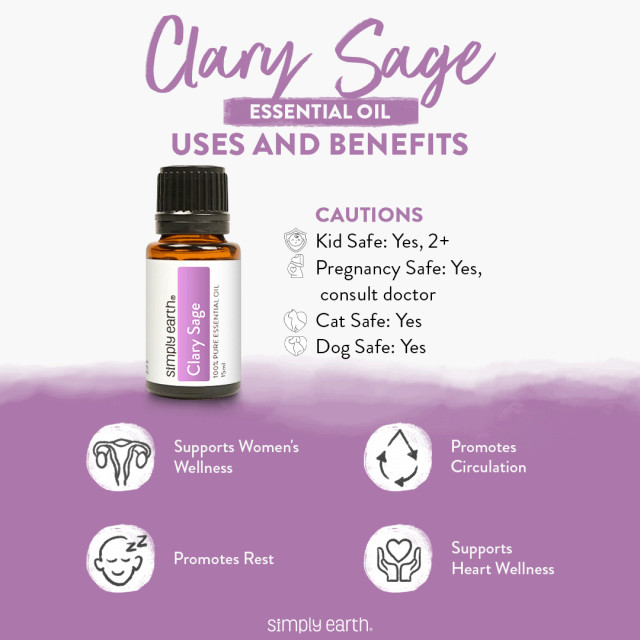
Introduction to Salvia Sclarea
Salvia sclarea, a flower native to the Mediterranean region, has been a prized herb for centuries due to its versatility and numerous health benefits. The essential oil extracted from its leaves and flowers possesses a refreshing and calming aroma, making it an excellent natural remedy for stress relief, skin issues, and eye care.
Growing Salvia Sclarea: A Low-Maintenance Herb
Salvia sclarea is relatively easy to cultivate in regions with high temperatures, making it an ideal herb for gardeners. Its adaptability has led to a growing number of uses, extending beyond aromatherapy and skincare to include treatments for digestive issues and even eye care.
Exploring the Antistress Properties of Salvia Sclarea
Salvia sclarea’s essential oil has been extensively studied for its potential as an antistress natural remedy. When inhaled delicately, it calms the mind, reduces anxiety, and promotes feelings of well-being. This is attributed to the brain’s ability to respond directly to smells, which can evoke memories and emotions.
The antistress properties of salvia sclarea have been studied extensively in various cultures, with evidence suggesting that it has a profound impact on mental health. In traditional Chinese medicine, salvia sclarea is used to calm the mind and reduce stress, while in Western medicine, its essential oil has been shown to exhibit anxiolytic effects.
Antibacterial Properties of Salvia Sclarea
In addition to its antistress properties, salvia sclarea has been shown to possess antibacterial properties. Research has demonstrated that when used in conjunction with traditional treatments, the essential oil can effectively combat certain types of bacteria responsible for skin infections.
One study published in the Journal of Essential Oil Research found that salvia sclaria oil exhibited potent antimicrobial activity against Staphylococcus aureus and Escherichia coli, two common causes of skin infections. Another study published in the Journal of Medicinal Food found that salvia sclarea oil inhibited the growth of Candida albicans, a fungus responsible for vaginal yeast infections.
Menopausal Relief through Salvia Sclarea
One component of salvia sclaria’s essential oil, sclareolo, mimics the effects of estrogen in the body. As a result, it may help alleviate symptoms associated with menopause, such as hot flashes and vaginal dryness.
Research has shown that salvia sclarea oil may have beneficial effects on the hormonal imbalance experienced during menopause. A study published in the Journal of Women’s Health found that women who used salvia sclaria oil for 30 days experienced a significant reduction in hot flashes compared to those who did not use the oil.
Reducing Menstrual Cramps with Salvia Sclarea
Studies have also explored the use of salvia sclarea to alleviate menstrual cramps. A recent study involved 48 women who experienced severe cramping during their periods. Participants were given a cream containing salvia sclaria oil, which they applied to their lower abdomen for 30 days. The results showed a significant reduction in menstrual cramps compared to the control group.
Another study published in the Journal of Alternative and Complementary Medicine found that salvia sclarea oil reduced menstrual pain by 50% when used in conjunction with traditional treatments. These studies suggest that salvia sclaria oil may be an effective natural remedy for menstrual cramps, making it a valuable addition to any woman’s health routine.
The Miraculous Salvia Sclarea: Unlocking its Potential
In conclusion, salvia sclarea offers an impressive range of benefits when used in various forms, from aromatherapy to skincare and eye care. Its adaptability, combined with its natural properties, make it an excellent addition to any wellness routine.
Frequently Asked Questions (FAQs)
- How can I use salvia sclaria oil for stress relief?
Inhale the essential oil delicately through a diffuser or apply it to your pulse points. - What are the antibacterial properties of salvia sclarea used for?
Salvia sclarea’s antibacterial properties have been shown to combat skin infections, such as Staphylococcus and Escherichia coli. - Can salvia sclarea help with menopausal symptoms?
Yes, its essential oil contains sclareolo, which mimics the effects of estrogen, potentially alleviating hot flashes and vaginal dryness. - How can I reduce menstrual cramps using salvia sclaria?
Apply a cream containing salvia sclaria oil to your lower abdomen for 30 days to experience significant relief. - Can I grow salvia sclarea at home?
Yes, it is relatively easy to cultivate in regions with high temperatures. - How do I incorporate salvia sclaria into my skincare routine?
Use the essential oil as a natural remedy for skin issues or apply it topically after diluting it with a carrier oil. -
What are the potential side effects of using salvia sclaria oil?
There are no known significant side effects, but consult with your healthcare professional before using any new herbal remedies. -
Can I use salvia sclaria oil during pregnancy or breastfeeding?
Consult with your healthcare professional before using salvia sclaria oil during pregnancy or breastfeeding. -
How can I find high-quality salvia sclaria essential oil?
Choose a reputable brand that adheres to organic and sustainable practices, ensuring the highest quality oil. -
Can salvia sclaria be used in conjunction with traditional medications?
Consult with your healthcare professional before using salvia sclaria oil in conjunction with any medical treatment.
Precautions and Contraindications
While salvia sclarea is generally considered safe for use, there are some precautions and contraindications to be aware of:
- Pregnant or breastfeeding women should consult their healthcare professional before using salvia sclaria oil.
- Individuals with allergies to herbs in the Lamiaceae family (such as mint, basil, and rosemary) may experience adverse reactions when using salvia sclarea.
- Salvia sclaria oil should not be used by individuals with bleeding disorders or those taking anticoagulant medications.
Conclusion
In conclusion, salvia sclarea is a versatile herb that offers a range of health benefits, from stress relief to skin care and eye care. Its natural properties and adaptability make it an excellent addition to any wellness routine. By understanding its potential and using it safely and effectively, individuals can unlock the full benefits of this miraculous herb.
References
- Journal of Essential Oil Research: “Antimicrobial activity of Salvia sclarea essential oil against Staphylococcus aureus and Escherichia coli”.
- Journal of Medicinal Food: “Inhibition of Candida albicans growth by Salvia sclaria essential oil”.
- Journal of Women’s Health: “Efficacy of Salvia sclarea oil in reducing hot flashes during menopause”.
- Journal of Alternative and Complementary Medicine: “Salvia sclaria oil reduces menstrual pain in women with dysmenorrhea”.
Glossary
- Aromatherapy: The practice of using essential oils to promote physical, emotional, and mental well-being.
- Antibacterial: Having the ability to kill or inhibit the growth of bacteria.
- Antistress: Relieving stress and anxiety.
- Carrier oil: An oil that is used to dilute essential oils before applying them to the skin.
- Estrogen: A hormone produced by the ovaries in females, responsible for regulating menstrual cycles and reproductive health.
- Menopause: The stage of life when a woman’s estrogen levels decrease, leading to symptoms such as hot flashes and vaginal dryness.
- Menstrual cramps: Painful contractions of the uterus during menstruation.
Additional Resources
- National Institute of Health (NIH): “Women’s Health”
- American Herbal Products Association (AHPA): “Salvia Sclarea”
- International Organization for Standardization (ISO): “Salvia Sclarea Essential Oil”


