
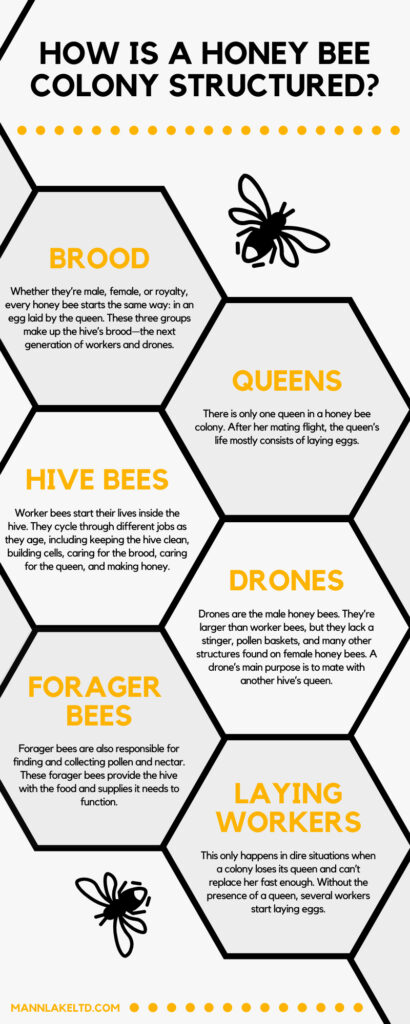
As we delve into the world of bees, it becomes clear that their social structures are truly one of the most advanced in nature. The hive, or alveare, is a marvel of organization and efficiency, rivaling even the most complex human societies. In this article, we’ll explore how each individual plays a crucial role within the hive, working together seamlessly to ensure the survival and prosperity of their colony.
The Geometric Harmony of the Hive
One of the most striking aspects of bee society is the geometric harmony that governs their architecture. The hexagonal cells in which bees store honey and pollen are the result of a perfect ratio between perimeter and area. This efficiency has been honed over millions of years, allowing bees to build structures with minimal waste and maximum storage capacity.
But why did nature choose this particular shape? The answer lies in the physics of building blocks. Bees use wax produced from their own bodies to construct these cells, which must be both large enough to hold a substantial amount of food but also not so large that they become impractical to manage. The hexagon provides the perfect balance between these two competing demands.
The geometric harmony of the hive is not just limited to the physical structure itself; it also reflects the intricate social dynamics at play within the colony. Each cell is designed to optimize storage capacity, while also allowing for easy expansion and contraction as needed. This flexibility enables the colony to adapt to changing food supplies and other environmental factors.
The Hierarchical Structure of Bee Society
Beyond the physical layout of the hive, bee society is organized into a strict hierarchy, with each individual playing a vital role in maintaining the colony’s health and prosperity. At the apex of this pyramid stands the queen bee, the sole fertile female capable of laying eggs.
However, when the queen falls ill or dies, her absence creates a power vacuum that could destabilize the entire colony. To mitigate this risk, bees have evolved a system of “sciamatura,” where they leave behind a number of unfertilized eggs to ensure the survival of the colony.
This process is crucial in maintaining social stability and ensuring the continuation of the colony. Without the queen, the hive would quickly become vulnerable to disease, pests, and other external threats. By leaving behind these unfertilized eggs, bees are essentially creating a “safety net” for their colony, allowing them to adapt and respond to changing circumstances.
The Art of Selecting a New Queen
When selecting a new queen, bees must carefully evaluate each candidate based on its potential for reproduction and leadership abilities. They do this by feeding certain larvae a diet rich in royal jelly, which gives them a developmental boost and makes them more likely to become the next queen.
But how do they determine which larva will ultimately receive this treatment? The answer lies in a process known as “selection natural” – where bees carefully monitor each larva’s behavior and physiology before making their decision. Only those that demonstrate optimal traits are deemed worthy of royal jelly, ensuring the colony receives the best possible leader.
This selection process is remarkable for its efficiency and precision. By favoring individuals with desirable traits, bees can optimize their population’s growth and overall fitness. This process is essential in maintaining social stability within the hive, as a new queen is responsible for laying eggs that will determine the future of the colony.
The Selection Process: A Lesson in Efficiency
In bee society, selection is a crucial aspect of maintaining social stability. By favoring individuals with desirable traits, bees can optimize their population’s growth and overall fitness. This process is remarkably efficient, allowing the colony to adapt to changing environments and mitigate the effects of disease or other threats.
The selection process also highlights the importance of specialization within bee society. Each individual plays a fixed role within the hierarchy, with specific responsibilities and tasks assigned to them based on their abilities and strengths. This division of labor enables the colony to thrive even in the face of adversity, as each member can focus on their own area of expertise.
Communication in Bee Society
Bees use complex dance patterns and pheromones to convey information about food sources, threats, and other important colony events. These chemical signals are crucial in maintaining social stability within the hive, allowing bees to communicate effectively and coordinate their actions.
The waggle dance, for example, is a complex movement that informs other bees of the location of food sources relative to the sun. This dance pattern allows bees to share information about the quality and quantity of nectar-rich flowers, enabling them to optimize their foraging efforts and maximize the colony’s overall productivity.
Adaptation in Bee Society
Bees have evolved remarkable adaptations to cope with environmental changes, including changes in temperature, humidity, and food availability. This ability to adapt is crucial in ensuring the survival of the colony, as external factors can have a significant impact on their well-being.
One such adaptation is the use of “winter bees,” specialized workers that survive the harsh winter months by slowing down their metabolism and entering a state of dormancy. These worker bees are responsible for maintaining the hive’s temperature and humidity levels during this critical period, allowing the colony to weather the storm and emerge stronger in the spring.
Conclusion
The social structure of bees offers valuable insights into the nature of organization, efficiency, and cooperation. By studying their behavior and biology, we can gain a deeper understanding of how complex systems function – and perhaps even learn some lessons from these tiny, yet incredibly resilient creatures.
Bees demonstrate remarkable adaptability and resilience in the face of adversity, highlighting the importance of flexibility and collaboration within any social system. Their ability to work together seamlessly, sharing knowledge and resources to achieve common goals, is a powerful model for human societies seeking to improve their own organizational efficiency and effectiveness.
FAQs
- What is the purpose of the queen bee in bee society?
The queen bee is responsible for laying eggs and ensuring the survival of the colony through her reproductive abilities. - How do bees select a new queen?
Bees select a new queen by evaluating each candidate based on its potential for reproduction and leadership abilities, using a process known as “selection natural.” - What is the role of royal jelly in bee society?
Royal jelly provides nutrients that enhance an individual’s reproductive capabilities, making them more likely to become the next queen. - How do bees communicate with each other?
Bees use complex dance patterns and pheromones to convey information about food sources, threats, and other important colony events. - Can bee colonies be threatened by external factors?
Yes – bee colonies can be vulnerable to pests, diseases, climate change, and habitat loss, all of which can impact their ability to thrive. - How do bees adapt to changing environments?
Bees have evolved remarkable adaptations to cope with environmental changes, including changes in temperature, humidity, and food availability. - Can bee colonies be replicated or created in captivity?
While it is possible to create artificial bee colonies in laboratories, replicating the complex social structure of natural colonies remains a significant challenge. - What can we learn from studying bee behavior?
By studying bee behavior, we can gain insights into the nature of cooperation, social organization, and efficient communication – all essential aspects of human society.


