
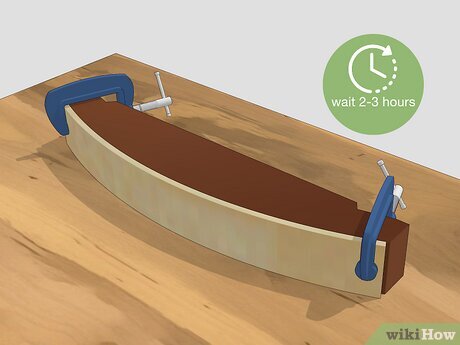
Wood curving is a sophisticated woodworking technique that involves shaping wood into various curves and shapes. When done correctly, curved wood can be robust and resilient, but when applied incorrectly, it can lead to cracking or breaking. In this article, we will explore the different types of wood curving techniques, the factors that influence their success, and provide step-by-step instructions on how to curve wood at home.
Understanding the Basics of Wood Curving
Wood curving is a complex process that requires patience, skill, and attention to detail. It involves using various tools and techniques to shape wood into the desired curve or shape. There are two primary techniques for curving wood: artificial curvature and natural curvature.
Artificial Curvature
This technique involves using tools to shape the wood, creating a precise curve. To achieve artificial curvature:
- Cut the wood into manageable sections.
- Use specialized tools (e.g., jigsaws, routers) to create a smooth, curved surface.
- Sand and finish the wood to enhance its appearance.
Natural Curvature
In this method, the wood is saturated with water to make it more pliable before being shaped around a form or mold. To achieve natural curvature:
- Apply heat and moisture to the wood.
- Shape the wood around a form or mold.
- Allow the wood to dry and harden.
Factors Influencing Wood Curving
Several factors can influence the success of wood curving, including:
- Wood species: Different types of wood respond differently to curvature techniques. Some woods, such as pine or fir, are more prone to cracking when curved.
- Thickness and density: Thicker woods are generally easier to curve than thinner ones.
- Moisture content: Wood with high moisture content can be more challenging to work with.
Choosing the Right Type of Wood
Not all types of wood are suitable for curving. Laminated wood, such as plywood or MDF, is relatively easy to curve due to its uniform thickness and density. However, other types of wood, like solid woods (e.g., oak, maple, cherry), may be more challenging to work with.
Types of Wood
Some common types of wood used for curving include:
- Pine: A softwood that is often used for furniture making due to its availability and affordability.
- Maple: A hardwood that is prized for its durability and resistance to scratches.
- Cherry: A hardwood that is known for its rich, reddish-brown color and fine grain.
Key Tools and Equipment
Several tools and equipment are required for wood curving, including:
- Jigsaws: Used to cut curved shapes in the wood.
- Routers: Used to shape and smooth out the wood.
- Sandpaper: Used to sand and finish the wood.
- Form or mold: Used to shape the wood into a curved form.
Step-by-Step Instructions
To curve wood at home, follow these step-by-step instructions:
- Choose the right type of wood for curving based on your desired outcome and the specific technique you will use.
- Prepare the wood by cutting it into manageable sections and sanding it to smooth out any rough edges or surfaces.
- Use specialized tools (e.g., jigsaws, routers) to shape the wood into a precise curve.
- Apply heat and moisture to the wood to make it more pliable before shaping it around a form or mold.
- Allow the wood to dry and harden before finishing and sanding it.
Tips and Tricks
When working with curved wood:
- Use caution when handling sharp tools and uneven surfaces.
- Apply even pressure when shaping the wood.
- Allow the wood to dry slowly and evenly to prevent cracking or warping.
By following these guidelines and techniques, you can successfully curve wood at home, creating beautiful and functional pieces of furniture and decor. With practice and patience, you can master the art of wood curving and create stunning works of art.
Safety Precautions
When working with curved wood:
- Wear protective eyewear and gloves to prevent injury from sharp tools or debris.
- Use a dust mask when sanding or cutting wood to avoid inhaling dust and debris.
- Work in a well-ventilated area to prevent inhalation of dust and chemicals.
By taking these safety precautions, you can minimize the risks associated with wood curving and create beautiful, durable pieces of furniture and decor.
Common Mistakes
When working with curved wood:
- Using too much pressure: Apply even pressure when shaping the wood to avoid cracking or breaking.
- Not allowing the wood to dry properly: Allow the wood to dry slowly and evenly to prevent cracking or warping.
- Using the wrong type of wood: Choose the right type of wood for curving based on your desired outcome and the specific technique you will use.
By avoiding these common mistakes, you can ensure a successful woodworking project and create beautiful, durable pieces of furniture and decor.


