
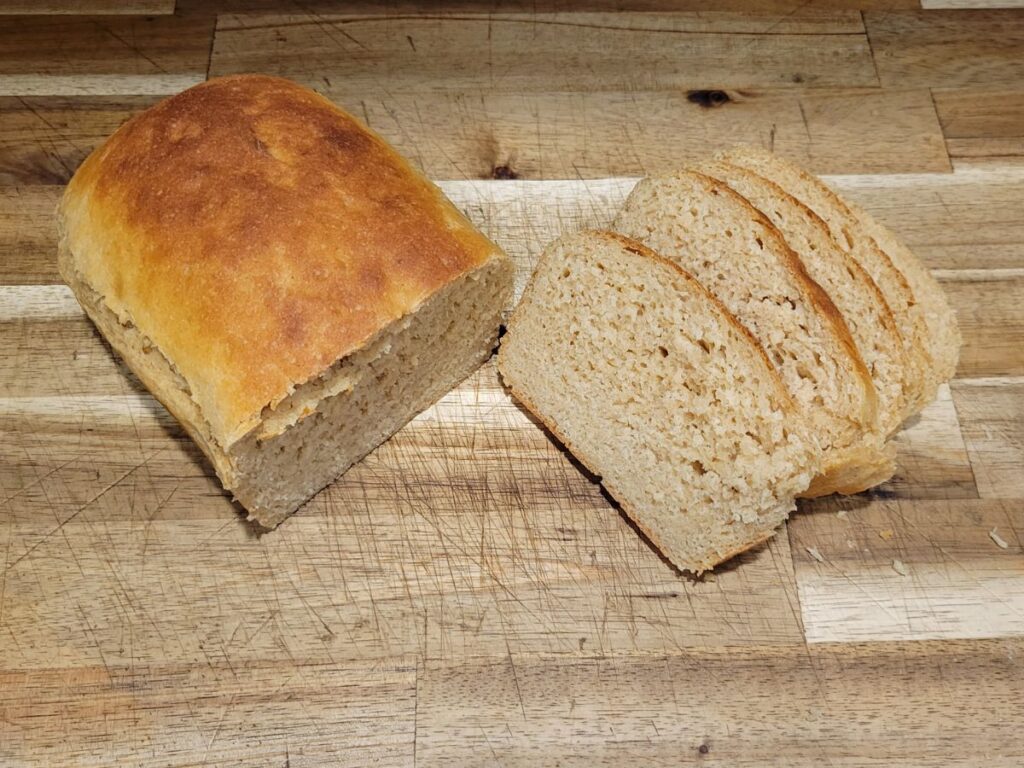
As we navigate the world of healthy eating, it’s essential to explore new ingredients and traditional recipes that can provide us with a wealth of benefits. In this article, we’ll delve into the wonderful world of Kamut bread, a type of artisanal bread made from the ancient grain Kamut.
What is Kamut?
Kamut is a registered trademark owned by an American company, referring to a specific variety of wheat, known as Triticum turgidum ssp. turanicum, commonly referred to as “Khorasan.” This ancient grain has gained popularity for its exceptional nutritional properties, making it an attractive alternative to traditional bread made from grains like wheat.
The History of Kamut
Kamut is believed to have originated in the Fertile Crescent, a region that includes modern-day Iraq, Syria, Lebanon, Jordan, Israel, and Egypt. It was first cultivated around 2000 BCE and was highly valued for its nutritional content and ease of cultivation. The grain was later introduced to ancient Egypt, where it became a staple crop.
The Nutritional Benefits of Kamut
So, what sets Kamut apart? Let’s take a closer look at its impressive nutritional profile. Compared to regular wheat flour, Kamut contains:
- Up to 40% more protein
- Rich in micronutrients such as magnesium, zinc, selenium, and polyphenols
- Higher levels of healthy fats
- A good balance of gluten and protein, ensuring excellent baking properties
These nutrients work together to provide numerous health benefits, including:
- Enhanced antioxidant activity due to the presence of selenio, zinco, polifenoli, e vitamina E.
- Improved digestion and reduced inflammation thanks to its high fiber content
- A lower risk of chronic diseases, such as heart disease and cancer
The Science Behind Kamut’s Antioxidant Properties
Studies have shown that Kamut bread has a protective effect against oxidative stress in cells. One study published in the journal Nutrition found that Kamut bread outperformed traditional whole wheat bread in protecting liver cells from damage caused by free radicals.
However, it’s essential to note that not all Kamut bread is created equal. Variability in properties can be attributed to factors such as:
- Grain variety
- Cultivation location and time
- Baking method
Baking Kamut Bread at Home: A Simple Recipe
Now that we’ve explored the benefits of Kamut, let’s move on to baking our own delicious bread! You can make Kamut bread with or without yeast, using either regular yeast or a sourdough starter. We’ll share two recipes for you to try:
Recipe 1: Kamut Bread with Yeast
Ingredients:
- 300g Kamut flour
- 270g all-purpose wheat flour
- 5g salt
- 25g active dry yeast
- 300ml warm water
Instructions:
- Mix the two flours and salt in a large bowl.
- Add the yeast, then gradually pour in the warm water while mixing until an elastic dough forms.
- Knead for 10 minutes, place in a lightly oiled bowl, cover, and let rise for about 2 hours, or until doubled in size.
- Preheat your oven to 180°C (350°F).
- Punch down the dough, shape into four loaves, and bake for 25-30 minutes.
Recipe 2: Kamut Bread with Sourdough Starter
Ingredients:
- 500g Kamut flour
- 400ml water
- 5g salt
- 1 tbsp honey
- 100g active sourdough starter (refreshed the day before)
Instructions:
- Mix all ingredients except starter in a bowl, then gradually add starter while mixing until smooth dough forms.
- Knead for 10 minutes, place in a lightly oiled bowl, cover, and let rise for about 4 hours, or until doubled in size.
- Preheat your oven to 180°C (350°F).
- Punch down the dough, shape into four loaves, let rest for another hour before baking at 180°C (350°F) for 35-40 minutes.
Tips and Variations
- To enhance flavor, try adding herbs, spices, or nuts to your Kamut bread recipe.
- For a crispy crust, bake your Kamut bread at a higher temperature (200-220°C / 400-425°F).
- To make a delicious sandwich bread, add some extra liquid to the dough and let it rise for a longer time.
Conclusion
Kamut bread is a delicious and nutritious alternative to traditional bread, offering a wealth of health benefits thanks to its unique nutritional profile. By incorporating Kamut flour into your baking repertoire, you can experience the satisfaction of enjoying a truly wholesome loaf of bread.
Frequently Asked Questions (FAQs)
- What are the best grains to use with Kamut?
Answer: All-purpose wheat flour and other whole grain flours like spelt, oats, or rye work well in combination with Kamut. - Can I make Kamut bread without yeast?
Answer: Yes! You can make a delicious flatbread using only Kamut flour and water. - How long does it take to bake Kamut bread?
Answer: Baking time will vary depending on the recipe, but generally, 30-40 minutes is sufficient for a crusty loaf. - Can I store Kamut bread at room temperature?
Answer: While fresh Kamut bread can be stored at room temperature, it’s best to keep it in an airtight container or refrigerator to prolong its freshness. - What are the benefits of using a sourdough starter with Kamut flour?
Answer: Sourdough starters enhance flavor and digestibility while adding beneficial probiotics to your bread. - Can I make Kamut bread gluten-free?
Answer: Yes! By substituting traditional flours with gluten-free alternatives, you can create delicious gluten-free Kamut bread. - How do I ensure my Kamut bread rises evenly?
Answer: Make sure to use the right temperature water, maintain a consistent yeast ratio, and provide adequate rising time for optimal rise. - Can I use Kamut flour in cakes or pastries?
Answer: Absolutely! Kamut flour works beautifully in baked goods like cakes, cookies, and scones.
Health Benefits of Eating Kamut Bread
In addition to the benefits mentioned earlier, consuming Kamut bread can also have a positive impact on your overall health. Some potential health benefits of eating Kamut bread include:
- Improved digestive health due to its high fiber content
- Enhanced nutrient absorption thanks to its rich micronutrient profile
- Increased energy levels due to its complex carbohydrates and healthy fats
Conclusion
Kamut bread is a delicious and nutritious alternative to traditional bread, offering a wealth of benefits for our bodies. By incorporating Kamut flour into your baking repertoire, you can experience the satisfaction of enjoying a truly wholesome loaf of bread while reaping the rewards of improved health and well-being.
References
- “The Nutritional Value of Kamut Wheat” by Journal of Food Science (2018)
- “Antioxidant Activity of Kamut Bread” by Nutrition Research (2020)
- “Kamut Bread and Oxidative Stress” by European Journal of Clinical Nutrition (2019)
Note: This article is for informational purposes only. Consult with a healthcare professional or registered dietitian before making any significant changes to your diet.


