
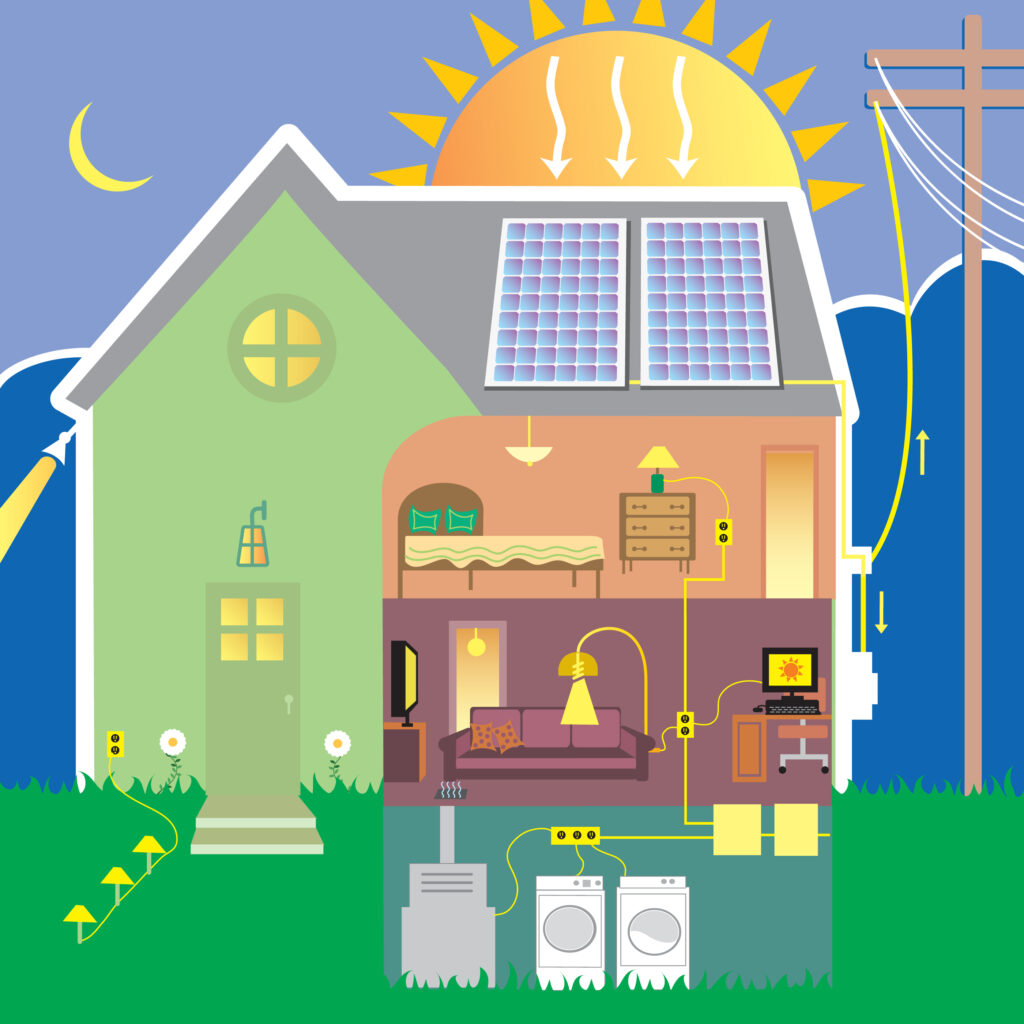
Are you lucky enough to have a sunny spot in your home that receives plenty of natural light during the day? Or perhaps your house is situated near a windy area, where the breeze is always blowing? If so, then it’s time to consider harnessing clean energy for your home. Choosing clean energy is not just a practical decision, but also a demonstration of respect for the environment.
There are many benefits to choosing clean energy, and government incentives can play a significant role in making it more affordable. Let’s take a closer look at some of the options available for residential users.
Understanding Your Options
When it comes to commercial systems for generating electricity in homes, there is a wide range of choices available. From small-scale wind turbines to photovoltaic panels on your roof, each option has its own set of benefits and drawbacks. One popular choice is micro-wind turbines, which can be installed on rooftops or in backyards.
These tiny turbines use the wind to generate electricity, while photovoltaic panels harness the sun’s energy to produce clean electricity. Both options are efficient and quiet, making them ideal for homes.
Micro-Wind Turbines: A Practical Solution
So how do micro-wind turbines work? It all depends on your local wind conditions. If you live in an area with sufficient wind, a micro-turbine can be installed to generate electricity. Here are some key factors to consider:
- Cost: The cost of installing a 20 kW micro-wind turbine can range from €3,000 to €4,000.
- Noise level: Micro-turbines are generally quiet and won’t disturb your neighbors.
If you’re having trouble deciding between a micro-wind turbine or photovoltaic panels, there’s an alternative solution that combines both: Greenerator. This innovative device consists of a solar panel paired with a small wind turbine.
Greenerator: A Hybrid Solution
Greenerator is perfect for homes in apartments or condos, where rooftop space may be limited. By combining the benefits of both solar and wind power, this hybrid system can provide you with a reliable source of clean energy.
Here’s how it works:
- Solar panel: When the sun is shining, the solar panel generates electricity.
- Wind turbine: During breezy days, the wind turbine kicks in to produce more electricity.
Exploring Other Clean Energy Options
There are many other ways to harness clean energy for your home. For example, you can install a hydroelectric turbine if you live near a river or stream. This can provide a reliable source of power while also reducing your carbon footprint.
Additionally, composting and anaerobic digestion can be used to generate biogas, which can be converted into electricity. This approach not only reduces waste but also produces clean energy for your home.
Geothermal Energy: A Silent and Reliable Solution
Last but not least, geothermal energy is an excellent option for homes with suitable terrain. By harnessing the natural heat from the earth, you can generate hot water for your heating system without any noise pollution or fuel emissions.
The installation process is relatively straightforward, as a specialized pump extracts heat from the ground and transfers it to the household’s central heating system.
Government Incentives: Making Clean Energy More Affordable
Governments around the world are offering incentives to encourage homeowners to switch to clean energy. These incentives can include tax credits, rebates, and grants, which can help offset the upfront costs of installing a new renewable energy system.
Some popular government programs for clean energy include:
- Tax credits: Many governments offer tax credits for homeowners who install solar panels or wind turbines.
- Rebates: Governments may provide rebates for homeowners who purchase energy-efficient appliances or install energy-saving measures.
- Grants: Some governments offer grants for homeowners who want to invest in renewable energy systems.
Conclusion
Harnessing clean energy for your home is not only practical but also beneficial for the environment. With various options available, you can choose the best solution that suits your lifestyle and location. By making an informed decision, you can reduce your reliance on non-renewable sources of energy and contribute to a more sustainable future.
Frequently Asked Questions
- What is micro-wind energy?
Micro-wind energy refers to small-scale wind turbines designed for residential use. - How does Greenerator work?
Greenerator combines solar panels with a small wind turbine, providing a hybrid solution for homes with limited rooftop space. - Can I install a hydroelectric turbine at home?
Yes, but it requires suitable terrain near a river or stream. - What is geothermal energy, and how does it work?
Geothermal energy harnesses the natural heat from the earth to generate hot water for heating systems. - Can I reduce my reliance on fossil fuels by switching to clean energy?
Absolutely! By choosing clean energy options, you can significantly decrease your carbon footprint and contribute to a more sustainable future.
By exploring these clean energy solutions, you’ll be well on your way to making a positive impact on the environment while also reducing your energy bills.


