
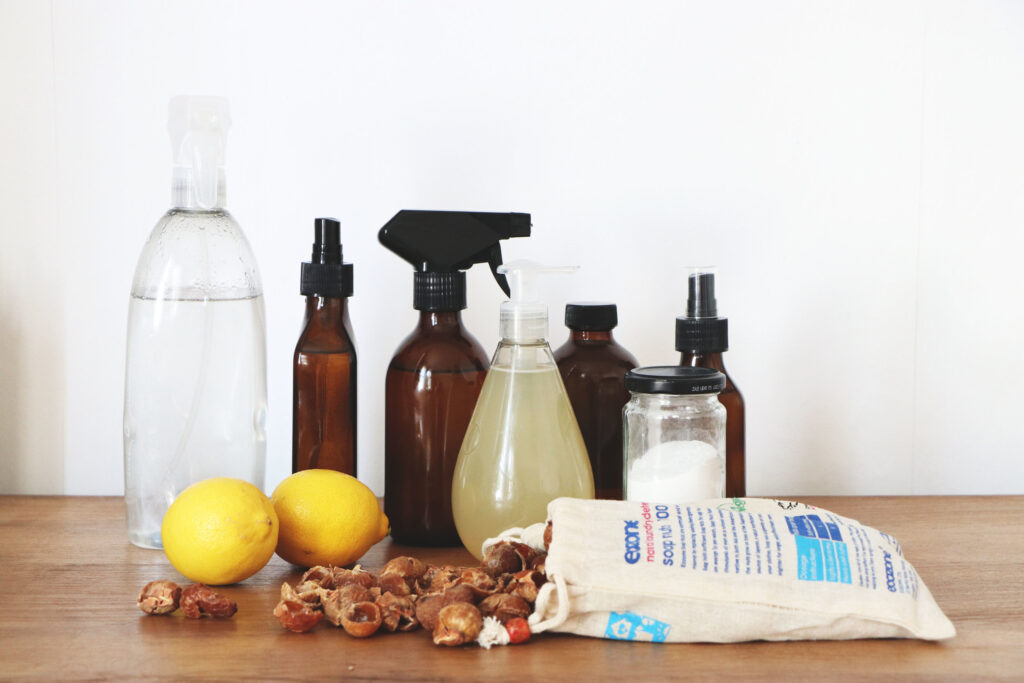
When it comes to cleaning products for hygiene and household purposes, a toxic arsenal of chemicals lurks in the shadows. Replacing some of these products with simpler, natural alternatives is beneficial for our health and the environment we surround ourselves with.
The problem isn’t the chemistry itself; rather, it’s the way it’s used. Synthetic chemical-based cleaners, especially the most aggressive ones, are often designed to achieve results quickly, at a price that comes with some level of toxicity to humans and the environment.
Natural remedies for household cleaning may be referred to as “alternatives,” but in reality, they’re the true traditionalists (synthetic chemistry arrived later). By using natural products for cleaning, you can achieve the same results, albeit taking more time, as an essential ingredient that works synergistically with the product. In contrast, synthetic chemical-based cleaners come with warning labels and potential side effects.
Household cleaning products can be broadly categorized into four primary categories:
- Cleaning agents and hygiene products
- Insecticides for ants, mosquitoes, and cockroaches
- Maintenance and repair products
- Plant care and gardening products
For each category, there are natural substances and products that perform the same functions as synthetic chemical-based products, achieving the same clean results without harming.
Some examples of how to use natural remedies include:
- Using vinegar (acetic acid) to neutralize odors or deodorize surfaces
- Employing a simple yet effective cleaning solution made from lemon juice and water
- Creating a paste using baking soda and water for scrubbing tough stains
Cleaning Agents and Hygiene Products
Natural cleaning agents and hygiene products include:
- Soap bars made from natural ingredients such as coconut oil, olive oil, and essential oils
- Castile soap for washing dishes, floors, or surfaces
- Toothpaste alternatives like baking soda and activated charcoal
Using natural soap bars and castile soap is more environmentally friendly than using synthetic chemical-based cleansers.
Insecticides are another area where natural solutions can be used. For ants, mosquitoes, and cockroaches, some popular options include:
- Cinnamon: Sprinkle cinnamon powder around entry points to prevent insects from entering.
- Peppermint oil: Mosquitoes don’t like the strong scent of peppermint oil and will often avoid it.
- Bay leaves: Place bay leaves in areas where pests are present to deter them.
When choosing a natural remedy for insect control, be sure to consider the long-term effects on your home and its inhabitants.
Maintenance and Repair Products
Natural maintenance and repair products include:
- Wood furniture polish made from coconut oil and beeswax
- Leather conditioner using natural oils like olive or jojoba oil
- Window cleaning solution with vinegar and water
These alternatives are not only healthier, but also cost-effective in the long run.
Plant Care and Gardening Products
Natural plant care and gardening products include:
- Compost tea made from worm castings and other organic materials
- Plant fertilizers using fish emulsion or bone meal
- Pest control methods such as introducing beneficial insects like ladybugs
By incorporating these natural substances into your cleaning routine, you can create a healthier environment while reducing the impact on our planet.
In conclusion, the use of synthetic chemical-based cleaners is often necessary in our daily lives. However, by incorporating natural remedies for household cleaning and maintenance, we can create a safer and greener alternative that benefits both humans and the environment.
The transition to using natural products may take some time and effort, but it’s well worth the investment for long-term health and sustainability.


