
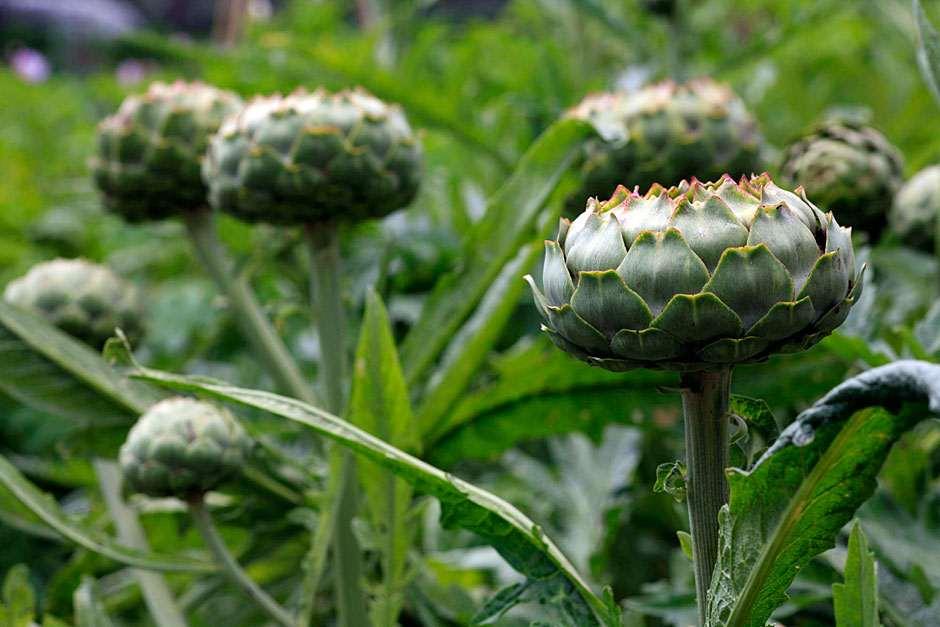
Artichokes are a beloved ingredient, prized for their unique nutty flavor and numerous health benefits. The secret behind their remarkable qualities lies in a compound called cynarin, responsible for the characteristic taste of artichokes. Consumed since ancient times, artichokes have been cultivated by Egyptians, Greeks, and Romans alike. Today, it’s easy to grow artichokes in your own backyard, even with fences and steep slopes.
Artichokes are a Mediterranean crop that thrives in well-drained soil with a pH level between 6.5 and 7.0, ideal conditions for growth. To ensure optimal results, choose a variety of artichoke that suits your needs. There are two main types of artichokes: Roman and Violet of Provence. Roman artichokes have larger buds and thicker stalks, while Violet of Provence has smaller, sweeter buds.
When to Harvest Artichokes
Artichoke harvesting typically takes place from October to June, with multiple crops possible throughout the year due to various species flowering repeatedly. To ensure optimal results, choose a variety of artichoke that suits your needs and climate.
In general, artichokes are ready for harvest when:
- The buds have fully opened
- The stalk is firm and slightly tender
- The leaves are tightly closed
Avoid harvesting too early, as this can lead to a lack of flavor and texture in the finished product. On the other hand, waiting too long can result in the artichokes becoming too tough and fibrous.
Sowing Artichoke Seeds
Artichoke seeds are readily available for purchase online or in local nurseries. A single packet can be bought for around €4.40, including shipping costs, and is suitable for growing both Roman and Violet of Provence varieties. Be sure to check out the Amazon page for more information on these products.
When sowing artichoke seeds, it’s essential to follow the instructions carefully. Here are some tips:
- Plant seeds indoors in February or March using a well-ventilated greenhouse or indoor space
- Use large pots with drainage holes to prevent waterlogged soil
- Plant seeds 1 meter apart to allow each plant enough room for growth
Growing Artichokes
Artichokes thrive in full sun and require regular watering, especially during hot summer months. Here are some additional tips for growing artichokes:
- Ensure your soil is rich in organic matter by adding compost or manure before planting
- Choose a south- or southwest-facing location that receives at least 6 hours of direct sunlight per day
- Avoid frosty climates and plant artichokes in containers if you live in an area with freezing temperatures
Sowing Artichokes
Planting artichoke seeds indoors allows for earlier harvests, as they can be transplanted to the garden when they are about 10-12 inches tall. This method is ideal for new growers or those who want to get a head start on the growing season.
To sow artichoke seeds, follow these steps:
- Fill a pot with well-draining soil and add a layer of compost or manure
- Plant seeds 1 meter apart and cover them with a thin layer of soil
- Water gently but thoroughly
- Place the pot in a sunny location with temperatures between 65-75°F (18-24°C)
Multiplying Artichokes with Carducci
Carducci are the ideal way to propagate artichokes, especially for new growers. Cut small carduice plants from mature artichoke plants and plant them in well-drained soil. The best time to do this is between February and April or September and October.
To multiply artichokes using carducci:
- Choose a mature artichoke plant with multiple buds
- Cut the carduice from the mother plant, leaving about 2-3 inches of stem intact
- Plant the carduice in well-drained soil, spacing them about 12-18 inches apart
- Water gently but thoroughly and provide full sun
Growing Artichokes with Ovoli
Ovoli, the tiny artichoke buds, can be used as a natural means of propagation. Harvest them in late summer (July-August) and plant them 30-40 cm deep in well-drained soil.
To grow artichokes using ovoli:
- Choose a mature artichoke plant with multiple buds
- Harvest the ovoli when they are about 1-2 inches long
- Plant the ovoli 30-40 cm deep in well-drained soil, spacing them about 12-18 inches apart
- Water gently but thoroughly and provide full sun
Watering Artichokes
Proper watering is essential to ensuring healthy artichoke growth. Here are some tips for watering your artichokes:
- Water regularly, but avoid overwatering, which can lead to root rot
- Adjust the frequency of irrigation according to seasonal changes, as they tend to require more water during hot summer months
- Avoid watering in the evening or at night to prevent fungal diseases
Harvesting Artichokes
The ideal time to harvest artichokes is when the buds have fully opened and are at their typical size. Remove the leaves and trim the stalk just above the base, using a sharp knife or pruning shears.
To harvest artichokes:
- Choose a mature artichoke plant with multiple buds
- Check for readiness by inserting a fork into the center of the bud; if it’s tender but still slightly firm, it’s ready to harvest
- Remove the leaves and trim the stalk just above the base
- Leave the smaller, younger leaves intact to encourage future growth
FAQs:
-
What is the best variety of artichoke for beginners?
The Roman artichoke variety is ideal for new growers, as it’s easier to handle and has a larger bud size. -
How often should I water my artichokes?
Water your artichokes regularly, but avoid overwatering. Adjust the frequency of irrigation according to seasonal changes. -
Can I grow artichokes in small spaces?
Yes, artichokes can be grown in containers or small spaces with proper care and attention. -
How long does it take for artichokes to mature after sowing?
Artichoke seeds typically take 150-180 days to mature after sowing. -
Can I harvest artichokes too early?
Yes, harvesting artichokes too early can lead to a lack of flavor and texture in the finished product. -
What are the benefits of using carducci to propagate artichokes?
Carducci are an easy way to multiply artichokes, allowing for new growth and expansion. -
How do I care for my artichoke plants during winter months?
Artichoke plants require protection from frosty climates. Mulch or cover the soil with a layer of straw or leaves to keep it warm. -
Can I grow artichokes in containers?
Yes, artichokes can be grown in containers, but ensure they receive full sun and well-draining soil.
By following these guidelines, you’ll be well on your way to growing delicious and nutritious artichokes at home. Happy growing!


