
Introduction
In recent years, seeds have become increasingly popular in cooking, not only as a nutritious ingredient but also as a trendy addition to modern cuisine. What was once considered an exotic or unusual ingredient is now widely available in supermarkets and specialty stores. In this article, we will explore the various types of seeds that can be used in cooking, their properties, and benefits.
What Are Seeds Used For in Cooking?
Seeds are a versatile ingredient that can add texture, flavor, and nutrition to a variety of dishes. They are often used as a topping for salads, yogurt, or oatmeal, but they can also be incorporated into baked goods, smoothies, and savory recipes.
Properties of Seeds
Each type of seed has its unique properties, nutritional benefits, and culinary uses. Here’s a brief overview of some common seeds:
Pumpkin Seeds
- High in protein, magnesium, and zinc
- Rich in antioxidants and anti-inflammatory compounds
- Good source of fiber and healthy fats
Sunflower Seeds
- Excellent source of vitamin E, selenium, and copper
- Rich in fiber, protein, and healthy fats
- Can be used as a topping for salads or oatmeal
Chia Seeds
- High in fiber, protein, and omega-3 fatty acids
- Good source of calcium, magnesium, and potassium
- Can be used to make homemade bread, muffins, or pancakes
Flaxseeds
- Rich in omega-3 fatty acids, fiber, and protein
- Good source of antioxidants, vitamin E, and selenium
- Can be used as an egg substitute in baking
Sesame Seeds
- High in calcium, iron, and potassium
- Rich in antioxidants, vitamins B and E, and minerals like magnesium and copper
- Good source of fiber and healthy fats
Pumpkin Seed Oil
- Rich in antioxidants, vitamin E, and omega-6 fatty acids
- Good for cooking, salad dressings, or as a finishing oil
Using Seeds in Cooking
Seeds can be used in various ways to add flavor, texture, and nutrition to dishes. Here are some tips for using seeds in cooking:
- Toasting seeds before using them can enhance their flavor and aroma.
- Sesame seeds can be toasted or roasted before using as a topping for salads or stir-fries.
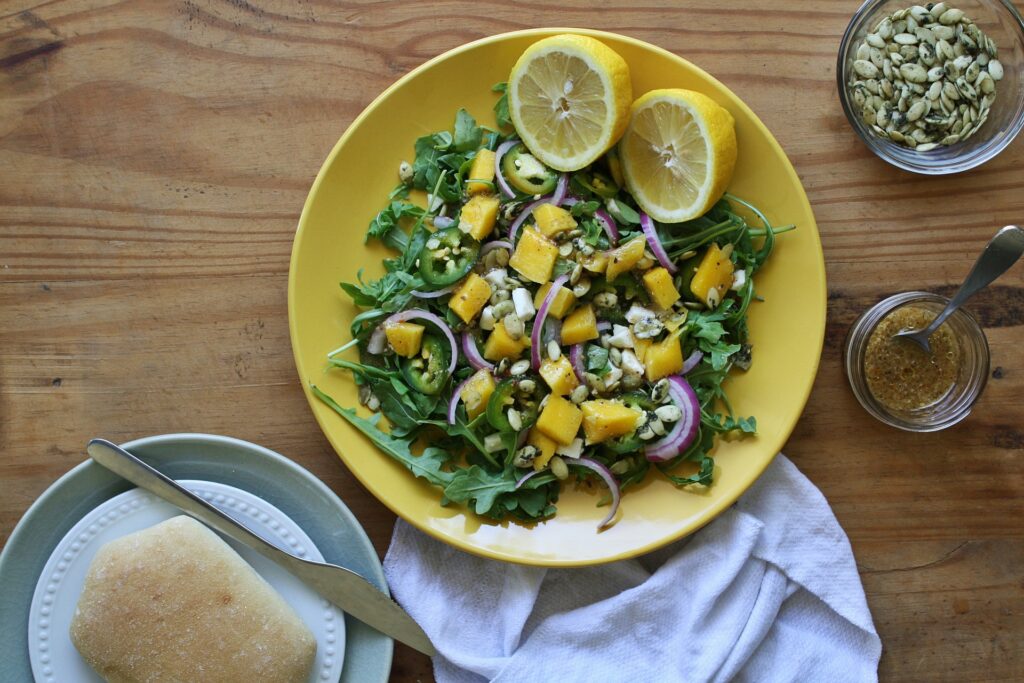
- Pumpkin seeds can be used as a topping for yogurt, oatmeal, or salads.
- Sunflower seeds can be used as a topping for salads, smoothies, or as an ingredient in homemade granola.
Benefits of Seeds
Seeds are packed with nutrients and offer numerous health benefits. Here are some reasons why you should incorporate seeds into your diet:
- High in protein and fiber
- Rich in antioxidants and anti-inflammatory compounds
- Supports healthy digestion, satiety, and blood sugar control
- May help reduce inflammation and improve heart health
Conclusion
Seeds are a versatile ingredient that can add flavor, texture, and nutrition to various dishes. From pumpkin seeds to sesame seeds, each type of seed offers unique properties and benefits. Incorporating seeds into your diet can support healthy digestion, satiety, and blood sugar control, while also reducing inflammation and improving heart health.
FAQs
Q: What are the health benefits of consuming seeds?
- Seeds are high in protein, fiber, and healthy fats.
- They are rich in antioxidants, vitamins, and minerals.
- Consuming seeds can support healthy digestion, satiety, and blood sugar control.
Q: How should I store seeds for cooking?
- Store seeds in a cool, dry place to preserve their nutritional value.
- Keep seeds away from direct sunlight and moisture.
Q: Can I substitute one type of seed for another?
- While each type of seed has its unique properties, you can experiment with different types of seeds to find the ones that work best for your recipes.
Q: How do I toast or roast seeds for cooking?
- Preheat a pan or oven to 350°F (180°C).
- Add seeds and cook or roast until fragrant and lightly browned.
Q: Can I use sesame oil instead of pumpkin seed oil?
- While both oils are rich in antioxidants, they have different flavor profiles.
- Sesame oil is often used for stir-fries and salad dressings, while pumpkin seed oil is better suited for baking or cooking.
Common Seed Pairings
Seeds can be paired with various ingredients to enhance their flavors and nutritional benefits. Here are some common seed pairings:
- Pumpkin seeds and chocolate: A classic combination that pairs well with oatmeal or yogurt.
- Sunflower seeds and lemon juice: A refreshing pairing that adds a burst of citrus flavor to salads.
- Chia seeds and berries: Mix chia seeds with fresh berries for a nutritious and delicious breakfast option.
- Sesame seeds and soy sauce: A classic combination used in Asian cooking, perfect for stir-fries and marinades.
Creative Seed Recipes
Seeds can be incorporated into various recipes to add texture, flavor, and nutrition. Here are some creative seed recipes:
- Pumpkin seed granola: Mix pumpkin seeds with rolled oats, nuts, and dried fruits for a healthy snack.
- Sunflower seed butter sandwich: Spread sunflower seed butter on whole-grain bread for a tasty and nutritious lunch option.
- Chia seed pancakes: Mix chia seeds with flour, eggs, and milk to make fluffy and nutritious pancakes.
- Sesame seed crackers: Mix sesame seeds with flour, water, and salt to create crispy and flavorful crackers.
Tips for Cooking with Seeds
Cooking with seeds can be a bit tricky, but here are some tips to keep in mind:
- Use the right amount of oil or liquid: Seeds can absorb a lot of oil or liquid, so use the right amount to avoid overcooking.
- Toast or roast seeds before using them: This enhances their flavor and aroma.
- Experiment with different cooking methods: Try roasting, grilling, or sautéing seeds for unique flavors and textures.
Conclusion
Seeds are a versatile ingredient that can add flavor, texture, and nutrition to various dishes. From pumpkin seeds to sesame seeds, each type of seed offers unique properties and benefits. Incorporating seeds into your diet can support healthy digestion, satiety, and blood sugar control, while also reducing inflammation and improving heart health.
Final Thoughts
Incorporating seeds into your diet can be a great way to add nutrition and flavor to your meals. Experiment with different types of seeds, pair them with various ingredients, and try new recipes to find the ones that work best for you. Whether you’re looking to support healthy digestion, satiety, and blood sugar control or simply want to add some excitement to your meals, seeds are a great addition to any kitchen.
Glossary
- Antioxidant: A substance that neutralizes free radicals, which can cause oxidative stress and damage cells.
- Fiber: A type of carbohydrate that is not easily broken down by the body, found in plant-based foods like seeds, fruits, and vegetables.
- Protein: A building block of life, essential for muscle growth and repair.
- Sesame oil: A liquid oil extracted from sesame seeds, often used in cooking and as a finishing oil.
Bibliography
- “The Seed Bible” by Tanya Lewis Hookum
- “Seeds: The Unsung Heroes of Sustainable Agriculture” by Robert Schneider
- “The Encyclopedia of Seeds” by David A. Sutton


