
What is the Sanvitalia?
The Sanvitalia is a flowering plant native to Mexico, belonging to the Asteraceae family. In this article, we will delve into the world of this beautiful plant, exploring its characteristics, properties, and cultivation guidelines.
History of the Sanvitalia
The Sanvitalia has been used as an ornamental plant for centuries in traditional Mexican medicine. Its leaves were used to make teas, while its flowers were used to treat various ailments, including fever, cough, and respiratory problems.
In recent years, the Sanvitalia has gained popularity worldwide due to its low-maintenance requirements and attractive appearance. It is now widely cultivated in gardens and indoor spaces for its beauty and air-purifying properties.
Content
- Appearance of the Sanvitalia
- Properties of the Sanvitalia
- Cultivation of the Sanvitalia
- Reproduction of the Sanvitalia
- Fioritura of the Sanvitalia
- Sanvitalia in Herbalism
- Contraindications of the Sanvitalia
Appearance of the Sanvitalia
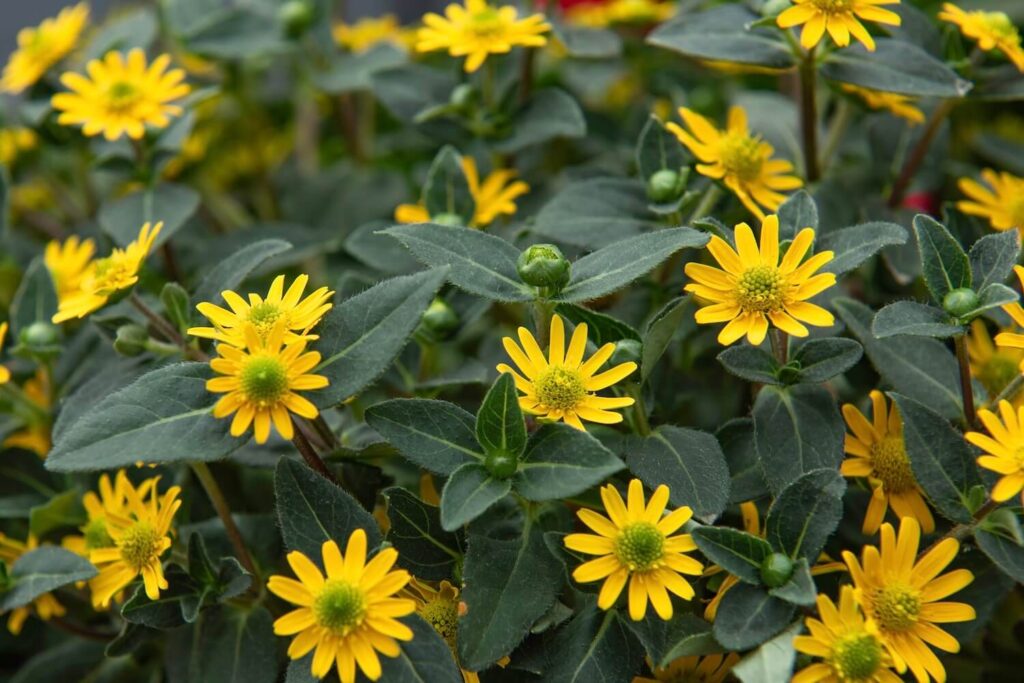
The Sanvitalia is a compact plant, typically growing to be around 15-20 inches tall. Its leaves are small and oval-shaped or lanceolated, with a dark green color.
The Sanvitalia produces showy flowers that resemble daisies, with bright yellow or orange petals and a darker center. The plant has a bushy growth habit and spreads horizontally, creating a dense carpet of foliage and flowers.
This characteristic makes the Sanvitalia an ideal choice for ground coverage or hanging baskets, but it also adapts well to borders, rock gardens, and containers.
Properties of the Sanvitalia
The Sanvitalia boasts several desirable properties that make it a popular ornamental plant. Its long blooming season, typically from spring to fall, creates an attractive display of color in gardens.
The plant is drought-tolerant and can thrive in warm and dry climates, making it perfect for areas with limited water resources. The Sanvitalia also exhibits good resistance to diseases and pests, reducing the need for pesticides and other chemicals.
Furthermore, its flowers attract pollinators like bees and butterflies, contributing to a more biodiverse garden ecosystem.
Cultivation of the Sanvitalia
To grow the Sanvitalia successfully, provide it with full sun or partial shade. The plant requires at least 4-6 hours of direct sunlight per day.
The Sanvitalia can thrive in various types of soil, as long as they are well-drained. Before planting seeds or transplanting, improve the soil by adding organic matter like compost to enrich and promote drainage.
When sowing seeds, leave about 15-20 inches between plants to allow for expansion. The plant tolerates drought but benefits from regular watering, especially during its growth phase.
If the soil is poor, apply a balanced fertilizer at the beginning of the growing season. Sanvitalia does not require excessive fertilization. To maintain optimal performance, follow the instructions on the product label.
Riproduzione della Sanvitalia
The Sanvitalia can be propagated using seeds or stem cuttings. When sowing seeds, collect capsules containing seeds at the end of the blooming season. Allow them to dry completely in a cool and dry place before opening and extracting seeds. Sow seeds in spring.
For stem propagation, take a healthy young cutting during the active growth phase. Plant it in moist and well-draining soil using a light rooting medium. Cover the cutting with a clear plastic bag or a glass cloche to create a humid environment. Keep the soil consistently moist but not waterlogged, allowing roots to develop over time.
After a few weeks, transplant the cutting into a pot or directly into the ground.
Fioritura della Sanvitalia
The blooming period of the Sanvitalia typically starts in spring and can extend through fall, depending on climate conditions and care provided. The flowers are bright yellow or orange with a darker center.
With proper care and favorable environmental conditions, the plant can continue to bloom for several weeks or even months.
Sanvitalia in Herbalism
The Sanvitalia is not commonly used in herbal remedies. However, some studies suggest that its leaves contain flavonoids, terpenes, and other bioactive compounds with potential health benefits.
Further research is needed to explore the full scope of its effects on human health. In traditional Mexican medicine, the plant was used to treat various ailments, including fever, cough, and respiratory problems.
Contraindicazioni della Sanvitalia
No notable adverse reactions or contraindications have been documented for the use of the Sanvitalia. As a non-drug ornamental plant, there are no in-depth studies on possible drug interactions.
However, as with any plant, individuals should exercise caution when handling the Sanvitalia and avoid ingesting its leaves or flowers.
Care and Maintenance
To ensure optimal growth and health of the Sanvitalia, follow these care and maintenance guidelines:
- Water regularly, but avoid overwatering.
- Fertilize sparingly, using a balanced fertilizer during the growing season.
- Prune the plant regularly to maintain shape and promote healthy growth.
- Protect the plant from extreme temperatures, wind, and pests.
Common Pests and Diseases
The Sanvitalia is susceptible to various pests and diseases. Here are some common ones to watch out for:
- Aphids: small, soft-bodied insects that can spread disease.
- Whiteflies: tiny insects that feed on plant sap, causing damage.
- Spider mites: tiny, spider-like insects that feed on plant sap, causing yellowing leaves.
- Root rot: a fungal infection that causes roots to decay.
Propagation Methods
The Sanvitalia can be propagated using various methods, including:
- Stem cuttings: take healthy stem cuttings from the mother plant and root them in soil or water.
- Leaf cuttings: take healthy leaf cuttings from the mother plant and root them in soil or water.
- Division: divide the plant into smaller sections, making sure each section has at least one growing point.
Pest Control
To control pests, use a combination of physical barriers, biological controls, and chemical treatments. Here are some effective methods:
- Use physical barriers like fine-mesh screens to prevent whiteflies and spider mites from reaching the plant.
- Encourage beneficial insects like ladybugs and lacewings, which prey on pests.
- Apply insecticidal soap or neem oil to control aphids, mealybugs, and other soft-bodied insects.
Companion Planting
The Sanvitalia can be used as a companion plant in various gardens. Here are some plants that complement its growth:
- Marigolds: repel nematodes and whiteflies.
- Basil: repels pests and improves flavor.
- Chives: improve soil health and deter pests.
Conclusion
The Sanvitalia is a beautiful, low-maintenance ornamental plant that can thrive in various environments. Its attractive flowers, drought tolerance, and resistance to diseases make it an ideal choice for gardeners worldwide.
By following the guidelines outlined in this article, you can successfully cultivate and care for your Sanvitalia plant. Remember to provide regular watering, fertilization, pruning, and pest control to ensure optimal growth and health.


