
Introduction
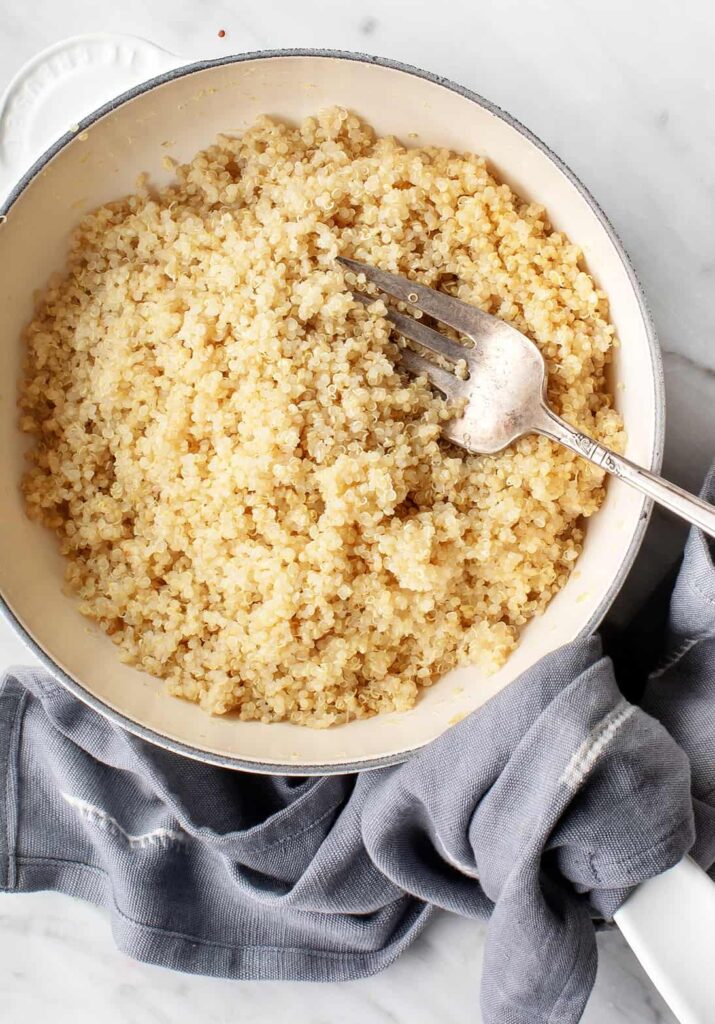
Quinoa is a popular food that has gained significant attention in recent years due to its numerous health benefits. However, with so many recipes and methods available, it can be overwhelming to decide where to start. In this article, we will delve into the world of quinoa cooking, exploring the best ways to prepare this nutritious pseudo-cereal.
What is Quinoa?
Before we dive into the cooking process, let’s briefly discuss what quinoa is. Quinoa is a seed-like food that comes from a plant called Chenopodium quinoa. It is not a true cereal, but rather a pseudocereal, meaning it is not a grain but rather a seed. Despite its unusual classification, quinoa has become a staple in many cuisines around the world due to its unique nutritional profile.
Why Cook Quinoa?
Quinoa is an excellent source of protein, fiber, and various minerals, making it an ideal food for those looking to improve their overall health and well-being. It is also gluten-free, making it a great option for those with dietary restrictions. Additionally, quinoa is high in antioxidants and has been shown to have anti-inflammatory properties.
How to Cook Quinoa
Now that we’ve discussed the benefits of quinoa, let’s move on to the cooking process. Cooking quinoa can be straightforward, but there are a few tips and tricks to keep in mind to ensure it turns out perfectly every time.
Simple Method: Boiling Quinoa
The simplest way to cook quinoa is by boiling it in water. Here’s how:
- Rinse 100g of quinoa in cold water until the water runs clear.
- Place the rinsed quinoa in a saucepan and add 300ml of water for every 100g of quinoa.
- Bring the mixture to a boil, then reduce the heat to low and simmer for 12-15 minutes, or until all the water has been absorbed.
Tips for Perfectly Cooked Quinoa
- Always rinse the quinoa before cooking to remove excess saponins, which can give it a bitter taste.
- Use a ratio of 2:1 (quinoa:water) to ensure the quinoa is cooked evenly and doesn’t become too mushy.
- If you want to add extra flavor, try cooking the quinoa in broth or stock instead of plain water.
Using Quinoa in Recipes
Quinoa can be used in a variety of dishes, from salads to main courses. Here are some ideas to get you started:
- Use cooked quinoa as a base for salads, adding your favorite vegetables and dressing.
- Mix cooked quinoa with roasted vegetables and spices for a healthy stir-fry.
- Add cooked quinoa to soups or stews for an extra boost of protein and fiber.
Nutritional Benefits of Quinoa
Quinoa is an excellent source of nutrients, including:
- Protein
- Fiber
- Iron
- Magnesium
- Potassium
- Vitamin E
In fact, 100g of cooked quinoa contains a whopping 14.12g of protein, making it one of the highest plant-based sources of protein available.
Cooking Quinoa on Different Stovetops
While boiling is a simple way to cook quinoa, there are other methods you can try for different stovetop options:
- Induction Stove: Cook quinoa in a saucepan with a lid using the same 2:1 ratio of quinoa to water. Bring to a boil, then reduce heat to low and simmer for 12-15 minutes.
- Gas Stove: Cook quinoa on medium-high heat, stirring constantly, until the water has been absorbed and the quinoa is cooked through.
- Electric Stove: Cook quinoa in a saucepan with a lid using the same 2:1 ratio of quinoa to water. Bring to a boil, then reduce heat to low and simmer for 12-15 minutes.
Using Quinoa on Different Cooking Appliances
While cooking quinoa is relatively straightforward, there are other appliances you can use to make it easier:
- Instant Pot: Cook quinoa in the Instant Pot using a ratio of 1:1.5 (quinoa:water). Cook for 5-7 minutes with high pressure.
- Rice Cooker: Cook quinoa in a rice cooker using a ratio of 2:1. Cook for 15-20 minutes, or until all the water has been absorbed.
Nutritional Variations
While quinoa is an excellent source of nutrients overall, there are some nutritional variations to keep in mind:
- White Quinoa: White quinoa has been stripped of its nutrient-rich bran layer, leaving only the starchy endosperm. It still contains some protein and fiber, but lacks many of the minerals found in colored quinoa.
- Colored Quinoa: Colored quinoa retains its nutrient-rich bran layer, making it a richer source of fiber and minerals.
Conclusion
Cooking quinoa is a simple and rewarding process that can be enjoyed by everyone. With its unique nutritional profile and versatility in recipes, quinoa has become a staple food for many health-conscious individuals. Whether you’re looking to improve your overall health or simply want to try something new, quinoa cooking is definitely worth exploring.
Frequently Asked Questions
Q: What is the difference between white and colored quinoa?
A: White quinoa has been stripped of its nutrient-rich bran layer, leaving only the starchy endosperm. Colored quinoa, on the other hand, retains its bran layer, making it a richer source of fiber and nutrients.
Q: Can I use quinoa instead of rice?
A: Yes, you can definitely use quinoa as a substitute for rice in many recipes. However, keep in mind that quinoa has a slightly nutty flavor and chewy texture that may not be suitable for all dishes.
Q: How do I store cooked quinoa?
A: Cooked quinoa can be stored in the refrigerator for up to 3 days or frozen for up to 6 months. Make sure to cool it down to room temperature before refrigerating or freezing.
Q: Can I cook quinoa on the stovetop?
A: Yes, you can definitely use a saucepan and lid to cook quinoa on the stovetop using a ratio of 2:1 (quinoa:water) and boiling.


