
As you step out onto your lawn, are you greeted by a carpet of vibrant green grass or a sea of weeds? Weeds can be a frustrating problem for any homeowner, but understanding their causes and how to eliminate them is key to maintaining a healthy and beautiful lawn. In this article, we’ll explore the common types of weeds that infest lawns, why they grow, and provide practical tips on how to remove them.
Understanding Weeds
Weeds are unwanted plants that can outcompete your desired grass for water, nutrients, and light. They come in two main categories: broad-leaved weeds and narrow-leaved weeds. Broad-leaved weeds include common culprits like dandelions, plantains, and clover, while narrow-leaved weeds include grassy weeds like crabgrass and annual bluegrass.
Why Do Weeds Grow on My Lawn?
Before we dive into how to remove weeds, it’s essential to understand why they grow in the first place. Weeds typically thrive in lawns that are poorly maintained or have weak grass. Over-tillage, over-watering, or under-fertilization can weaken your lawn and create an environment conducive to weed growth.
Common Types of Weeds
There are many types of weeds that infest lawns, including:
- Broad-leaved weeds: These weeds have broad leaves and include common culprits like dandelions, plantains, and clover.
- Narrow-leaved weeds: These weeds have narrow leaves and include grassy weeds like crabgrass and annual bluegrass.
- Annual weeds: These weeds complete their life cycle in a single growing season and include species like crabgrass and foxtail.
- Perennial weeds: These weeds complete multiple life cycles before dying off and include species like dandelions and plantains.
Why Are Weeds So Hard to Remove?
Weeds can be difficult to remove because they have adapted to living in your lawn. They often produce seeds that can germinate easily, making it seem like the weed problem is never-ending. Additionally, weeds can produce roots that spread far beneath the surface of the soil, making them harder to eradicate.
How to Remove Weeds from Your Lawn
Removing weeds from your lawn requires a combination of manual removal and strategic techniques. Here are some steps to follow:
- Identify the type of weed: Before attempting to remove a weed, it’s crucial to identify its type. Broad-leaved weeds can be removed with a tool or herbicide, while narrow-leaved weeds may require more aggressive treatment.
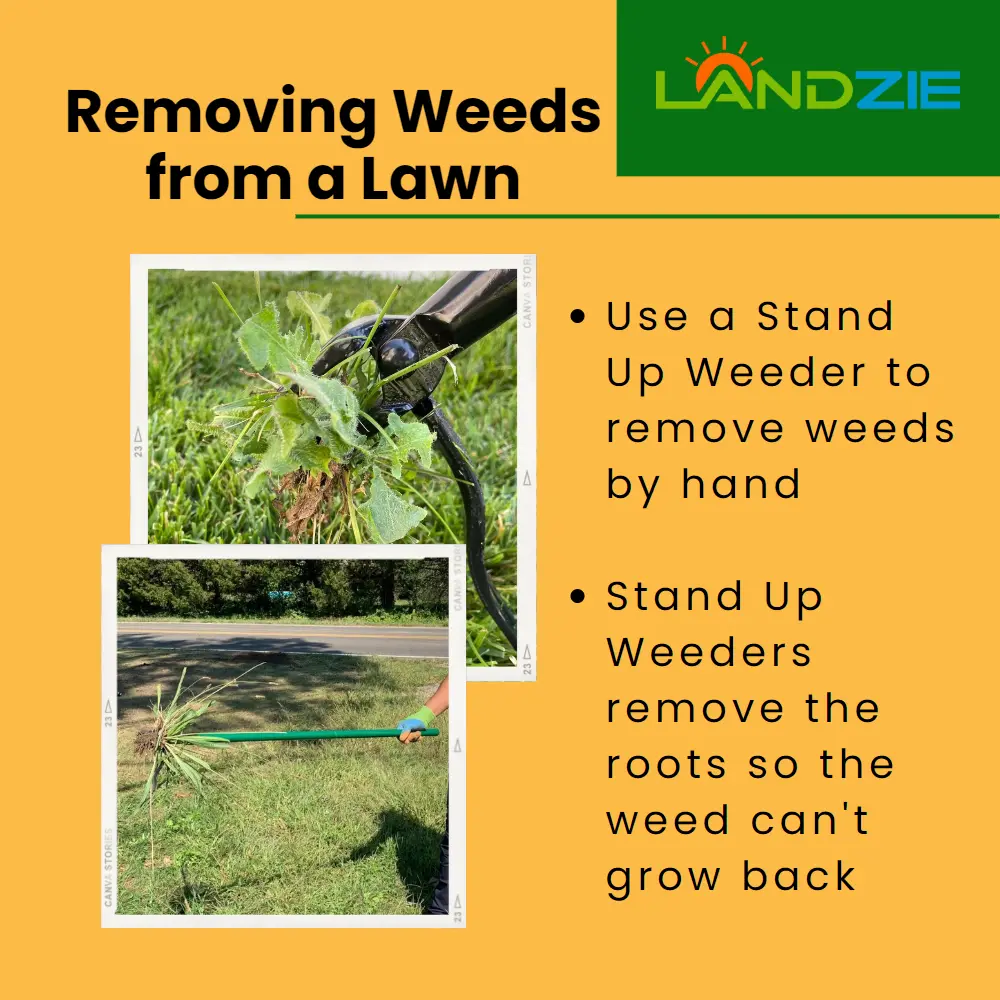
- Use a weeding tool: A tool like a hoe or cultivator can be used to loosen and remove weeds from the soil surface. Be sure to wear protective gloves and eyewear when using these tools.
- Dig up the root system: To prevent regrowth, it’s essential to dig up as much of the weed’s root system as possible. This can involve using a fork or spade to gently loosen the soil around the weed.
- Use a mulching mower: A mulching mower can be used to chop weeds at the base, preventing them from producing seeds.
Using Herbicides
While manual removal is often the most effective method of controlling weeds, herbicides can be useful in certain situations. Here are some tips for using herbicides:
- Choose a selective herbicide: A selective herbicide targets only specific types of plants, reducing the risk of harming your desired grass.
- Follow the instructions carefully: Always follow the manufacturer’s instructions when applying herbicides, and take necessary precautions to avoid overspray or drift onto desirable vegetation.
- Use a pre-emergent herbicide in spring: Applying a pre-emergent herbicide in early spring can help prevent crabgrass and other annual weeds from germinating.
Preventing Weed Growth
Prevention is the best approach when it comes to controlling weeds on your lawn. Here are some tips for preventing weed growth:
- Maintain good lawn health: A healthy, dense lawn is less susceptible to weed invasion.
- Use a regular mowing schedule: Regular mowing helps to prevent weeds from producing seeds and germinating.
- Water deeply but infrequently: Deep watering encourages deep root growth in your grass, making it more resistant to weed competition.
Organic Methods of Weed Control
If you’re looking for an organic method of weed control, here are some options:
- Mulching: Applying a layer of organic mulch to your lawn can help suppress weed growth by preventing seed germination and reducing soil temperature.
- Companion planting: Planting certain species alongside your desired grass can help prevent weeds from growing. For example, marigolds repel nematodes, which can harm your grass.
- Cover cropping: Planting cover crops like rye or oats can help suppress weed growth by shading the soil and preventing seed germination.
Conclusion
Removing weeds from your lawn requires patience, persistence, and the right techniques. By understanding why weeds grow, how to remove them, and how to prevent their growth, you can maintain a beautiful and healthy lawn that you’ll be proud to show off to friends and family.
Frequently Asked Questions (FAQs)
- What is the best time of year to remove weeds from my lawn?
The best time to remove weeds depends on your location. In temperate climates, spring and summer are often the most effective times for weed removal. - Can I use a single application of herbicide to control all weeds?
No, it’s generally recommended to apply multiple applications of herbicide over a period of weeks or months to ensure that you’re targeting all weed species. - Will using herbicides harm my desired grass?
When used correctly and in moderation, herbicides can be safe for your desired grass. However, it’s essential to follow the manufacturer’s instructions and take necessary precautions to avoid overspray or drift onto desirable vegetation. - Can I remove weeds from my lawn without using herbicides?
Yes, manual removal is often the most effective method of controlling weeds. Using a weeding tool or digging up the root system can be an effective way to eliminate weeds without chemicals. - How do I prevent crabgrass and other annual weeds from germinating?
Using a pre-emergent herbicide in early spring can help prevent crabgrass and other annual weeds from germinating. - Can I use mulch to suppress weed growth?
Yes, applying a layer of organic mulch to your lawn can help suppress weed growth by preventing seed germination and reducing soil temperature. - How often should I mow my lawn to prevent weeds from growing?
Regular mowing is essential for maintaining a healthy lawn. However, be sure not to over-mow, as this can stress your grass and create an environment conducive to weed growth. - Can I use solarization to kill weeds in my lawn?
Yes, applying a clear plastic tarp or sheeting over your lawn during hot weather can help kill weeds by heating the soil to lethal temperatures.
Additional Tips for Removing Weeds from Your Lawn
- Use a post-emergent herbicide: Post-emergent herbicides can be applied directly to the weed when it appears, providing an effective way to control weeds.
- Try hand-weeding: Hand-weeding can be a time-consuming but effective method of controlling weeds, especially for small areas or delicate plants.
- Use a weeder rake: A weeder rake is a specialized tool designed specifically for removing weeds from lawns.
- Consider using a weed control service: If you have a large lawn or a severe weed problem, consider hiring a professional to remove the weeds for you.
By following these tips and techniques, you can keep your lawn weed-free and maintain a beautiful, healthy grass that you’ll be proud to show off to friends and family.


