
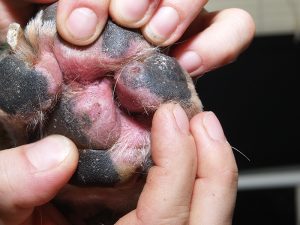
As a dog owner, there’s nothing more distressing than seeing your furry friend suffering from an uncomfortable skin condition. Canine pododermatitis, also known as intertrigine, is an inflammation of the skin on a dog’s paws that can be caused by various factors. In this article, we’ll delve into what canine pododermatitis is, its symptoms, causes, treatment options, and prevention methods to ensure your dog stays healthy and happy.
What is Canine Pododermatitis?
Canine pododermatitis is a skin condition that affects dogs, causing inflammation of the skin on their paws. It can occur on one or both paws and is often characterized by redness, swelling, pain, sores, ulcers, crusts, loss of fur, and difficulty walking or jumping.
Understanding the Symptoms of Canine Pododermatitis
If you suspect your dog has pododermatitis, it’s essential to recognize the symptoms. These can include:
- Redness and inflammation around the affected area
- Swelling and pain in the paws
- Presence of sores, ulcers, or crusts on the skin
- Loss of fur or hair around the affected area
- Difficulty walking or jumping due to pain or discomfort
Causes of Canine Pododermatitis
While the exact causes of canine pododermatitis are not fully understood, several factors can contribute to its development. These include:
- Allergies: Food allergies, environmental allergies, and contact allergies can cause an allergic reaction that leads to pododermatitis.
- Infections: Bacterial or fungal infections can infect the skin of a dog’s paws, leading to inflammation and discomfort.
- Parasites: Ear mites, ringworm, and other parasites can infest a dog’s skin, causing irritation and inflammation.
- Autoimmune disorders: Conditions like lupus erythematosus systemic or pemphigoid bullous can lead to pododermatitis in dogs with compromised immune systems.
Other contributing factors include:
- Excessive physical activity, which can cause abrasions, cuts, or lesions on the paws
- Excess weight, which can put pressure and friction on a dog’s paws
- Poor hygiene, which can lead to skin infections
- Flat or deformed feet, which can increase the risk of pododermatitis
Risk Factors for Canine Pododermatitis
Certain breeds are more prone to developing pododermatitis due to their genetic predisposition. These include:
- Bulldogs: Due to their flat faces and brachycephalic skull structure, bulldogs are more susceptible to skin issues.
- Pugs: Similar to bulldogs, pugs have a brachycephalic skull structure that can lead to respiratory problems and increased risk of pododermatitis.
- Beagles: Beagles’ long ears can make them prone to infections, which can contribute to pododermatitis.
Other risk factors include:
- Age: Dogs under 1 year old or over 10 years old are more susceptible to pododermatitis
- Sex: Male dogs are more likely to develop pododermatitis than female dogs
- Genetics: Some breeds are more prone to developing skin issues due to genetic predisposition
Treatment Options for Canine Pododermatitis
If your vet diagnoses your dog with pododermatitis, treatment will depend on the underlying cause. Treatments may include:
- Antibiotics: To eliminate bacterial infections
- Corticosteroids: To reduce inflammation and pain
- Anti-inflammatory medications: To alleviate discomfort and swelling
- Dietary changes: To address food allergies or sensitivities
Your vet may also recommend natural remedies, such as coconut oil or apple cider vinegar, which have anti-inflammatory and antibacterial properties.
Preventing Canine Pododermatitis
Prevention is key when it comes to canine pododermatitis. Here are some tips to help prevent the condition:
- Maintain good hygiene: Wash your dog’s paws regularly with soap and water, and trim their nails to prevent cracking or splitting.
- Avoid rough surfaces: Prevent your dog from walking on hot asphalt, rough concrete, or sharp rocks that can cause irritation.
- Monitor weight: Keep your dog at a healthy weight to prevent excessive pressure on the paws.
- Inspect paws regularly: Monitor your dog’s paws for signs of irritation or injury and treat any abrasions promptly.
Protective footwear can also be recommended by your vet if your dog tends to walk on rough surfaces. Consult with your vet for personalized advice on how to protect your dog’s paws.
Conventional Treatments
In addition to natural remedies, conventional treatments may include:
- Topical creams: Antibiotic or anti-inflammatory creams applied directly to the affected area
- Oral medications: Antibiotics, anti-inflammatory medications, or corticosteroids taken orally to treat underlying conditions
- Physical therapy: Massage, acupuncture, or physical therapy to reduce inflammation and promote healing
Home Remedies
Home remedies can be an effective way to manage canine pododermatitis. Some popular home remedies include:
- Apple cider vinegar: Applying apple cider vinegar to the affected area may help reduce itching and inflammation
- Coconut oil: Using coconut oil as a topical treatment or adding it to your dog’s food may help soothe skin issues
- Oatmeal baths: Oatmeal baths can provide relief from itching and irritation
Emergency Treatment
If you suspect your dog is experiencing an emergency, such as severe swelling, bleeding, or difficulty breathing, seek immediate veterinary attention.
Conclusion
Canine pododermatitis is a common skin condition that can be caused by various factors. By understanding the symptoms, causes, treatment options, and prevention methods, you can help prevent and treat this condition in your dog. Remember to maintain good hygiene, monitor weight, and inspect paws regularly to ensure your dog stays healthy and happy.
Frequently Asked Questions
- Q: What is the difference between pododermatitis and eczema?
A: Pododermatitis is a skin condition specific to dogs’ paws, while eczema is a more general term for inflammatory skin conditions. - Q: Can canine pododermitis be caused by food allergies?
A: Yes, food allergies can contribute to the development of pododermatitis in dogs. - Q: How do I treat my dog’s pododermatitis?
A: Treatment depends on the underlying cause and will depend on your vet’s recommendations. - Q: Can canine pododermatitis be prevented?
A: Yes, maintaining good hygiene, monitoring weight, inspecting paws regularly, and avoiding rough surfaces can help prevent pododermitis. - Q: Is pododermatitis a serious condition?
A: Pododermatitis itself is not a serious condition, but it can lead to further complications if left untreated. - Q: Can I use human products on my dog’s paws?
A: No, human products are not suitable for dogs’ skin and can cause irritation or allergic reactions. - Q: How long does treatment for pododermatitis take?
A: Treatment duration depends on the underlying cause and will depend on your vet’s recommendations. - Q: Can I try natural remedies to treat my dog’s pododermatitis?
A: Yes, coconut oil or apple cider vinegar can be used as natural remedies, but consult with your vet before using any new products.
By understanding canine pododermatitis and its causes, symptoms, and treatment options, you can help prevent and treat this condition in your furry friend.


