
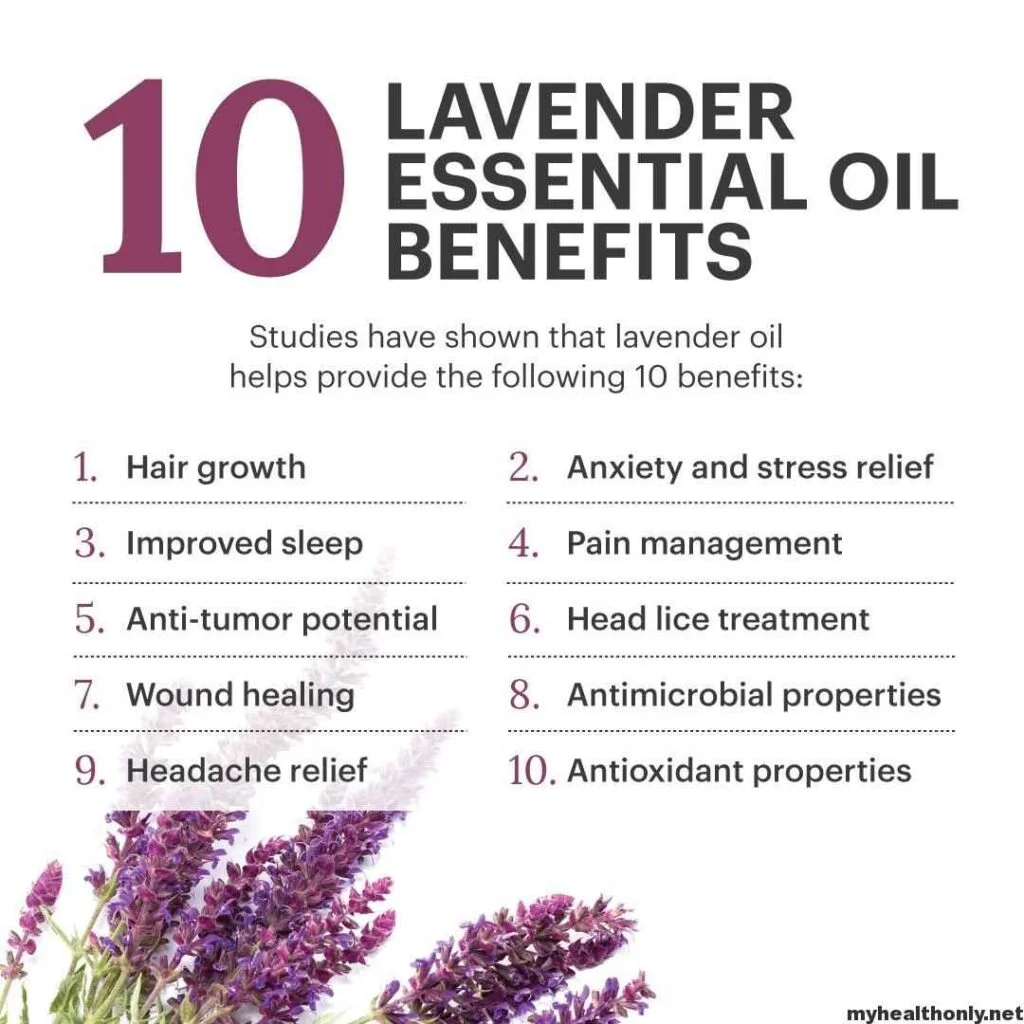
As we explore the vast array of plants that have been used for centuries in various cultures, one particular herb stands out for its versatility and benefits – lavender. With its enchanting fragrance, calming properties, and extensive uses in cosmetics, medicine, and cooking, it’s no wonder why this ancient plant has become a staple in many households.
The Ancient Roots of Lavender
Lavender, also known as lavandula, is an evergreen shrub native to the Mediterranean region. The name ‘lavender’ originates from the Latin word ‘lavare,’ meaning ‘to wash.’ This refers to its historical use as a natural detergent and for soothing skin irritations.
The ancient Greeks and Romans were among the first to utilize lavender for medicinal purposes, such as treating anxiety, insomnia, headaches, and skin conditions. They also employed it in perfumes, cosmetics, and aromatherapy.
Understanding Lavender’s Unique Characteristics
Lavender is a member of the Lamiaceae family and boasts only one genus, Lavandula. This plant thrives in temperate climates with moderate temperatures and well-drained soil. Its leaves are linear and lance-shaped, with a dull green-gray hue that contrasts beautifully with its vibrant purple flowers.
The flowers themselves are composed of multiple florets, ranging from blue-violet to white in color. They grow in clusters, often in pairs or sets of ten, making them an attractive addition to any garden.
Lavender’s Medicinal Properties
Lavender’s essential oils have been extensively studied for their therapeutic benefits. The plant contains sesquiterpenes, phenolic compounds, and other bioactive molecules that contribute to its calming effects on the nervous system.
The primary uses of lavender in medicine include:
- Treating anxiety, stress, and insomnia
- Relieving headaches and migraines
- Soothing skin irritations and wounds
- Reducing inflammation and pain
Cosmetic Applications
Lavender oil is a popular ingredient in skincare products due to its antiseptic, antibacterial, and anti-inflammatory properties. It can be used as:
- A natural perfume and fragrance enhancer
- A base for soaps, shampoos, and conditioners
- An ingredient in aftershave balms and lotions
Growing Lavender at Home
For those interested in cultivating this lovely plant, lavender is relatively easy to grow indoors or outdoors. Here are some tips:
- Choose the right variety: Select a compact, dwarf, or Nana Alba cultivar for container gardening.
- Provide adequate sunlight: Give your lavender plant at least 6 hours of direct sunlight per day.
- Maintain well-draining soil: Mix in organic matter and perlite to ensure good drainage.
- Water sparingly: Lavender is drought-tolerant, but will perform better with regular watering.
Tips for Pruning Your Lavender Plant
Regular pruning is essential to maintain your lavender plant’s shape, promote healthy growth, and encourage flowering. Here are some tips:
- Prune in spring or summer: Remove any dead or damaged stems after the plant has finished blooming.
- Cut back overgrown branches: Trim back tall stems to about half their length.
- Harvest flowers: Pinch off individual flowers as they bloom to encourage more flowering.
Using Lavender in Cooking
While lavender is often associated with its medicinal and cosmetic uses, it also has a place in the culinary world. This versatile herb can be used in a variety of dishes, from baked goods to savory meals.
Some popular ways to use lavender in cooking include:
- Lavender shortbread cookies: Add dried lavender buds to your favorite shortbread recipe for a unique flavor.
- Lavender lemonade: Infuse your lemonade with the subtle flavor and aroma of lavender by adding a few sprigs to the pitcher.
- Lavender roasted chicken: Mix dried lavender buds with olive oil, garlic, and herbs for a delicious and aromatic roast.
Using Lavender in Potpourri
Potpourri is a classic way to utilize lavender’s fragrance. This blend of dried flowers, herbs, and spices can be used to freshen up any room or closet.
Some popular ingredients for potpourri include:
- Dried lavender buds: Add a handful of dried lavender buds to your potpourri mix for its signature flavor.
- Rose petals: Mix in dried rose petals for their romantic aroma.
- Citrus peels: Incorporate citrus peels, such as orange or lemon, for their uplifting scent.
Conclusion
Lavender is a versatile, ancient herb with a multitude of uses in medicine, cosmetics, and cooking. By understanding its unique characteristics, properties, and benefits, we can harness the power of this lovely plant to improve our lives.
As you continue on your botanical journey, remember that every plant has a story to tell – one filled with secrets, surprises, and wonders waiting to be discovered.
Frequently Asked Questions
- What is the best time to harvest lavender flowers?
- Harvest flowers in the morning, when they are at their highest concentration of fragrance.
- Can I grow lavender indoors?
- Yes, but ensure it receives sufficient sunlight (6+ hours) and maintain good air circulation.
- How do I protect my lavender plant from pests?
- Regularly inspect your plant for signs of pests and use neem oil or insecticidal soap as a natural deterrent.
- Can I use lavender essential oil in children’s products?
- Consult with a healthcare professional before using essential oils on children, especially those under 10 years old.
Stay curious, keep exploring, and happy planting!


