
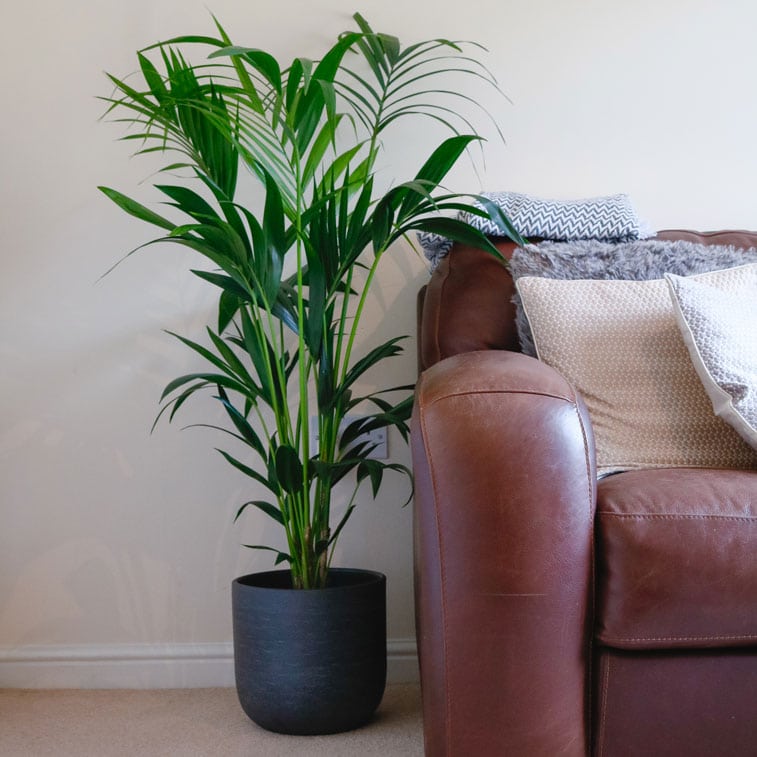
Are you tired of living in an area with harsh winters or limited sunlight? Do you dream of having a lush, tropical oasis in your home? Look no further than the Kentia palm (Howea forsteriana), a versatile and low-maintenance option that’s perfect for indoor spaces.
In this article, we’ll delve into the world of Kentia palms, exploring their origins, characteristics, and care requirements. Whether you’re a seasoned green thumb or a beginner, you’ll learn how to bring these stunning plants into your home and enjoy their many benefits.
What is a Kentia Palm?
The Kentia palm is a type of palm tree native to Lord Howe Island in the Pacific Ocean. It’s also known as the “tall sentinel” or “paradise palm.” This remarkable plant can grow up to 12 meters tall, but its growth rate is slow, and it typically reaches heights of 3-4 meters when grown indoors.
Kentia palms have distinctive large leaves that resemble those of other palm species. They produce a showy inflorescence with white flowers and red fruit, which can take up to 15 years to mature.
Choosing the Right Location for Your Kentia Palm
One of the most critical factors in caring for a Kentia palm is providing it with the right location. These plants thrive in shaded or partially shaded areas, making them ideal for indoor spaces with limited natural light. Avoid direct sunlight, as this can cause scorching and damage to the leaves.
When placing your Kentia palm indoors, consider using a bright, indirectly lit area such as an east- or west-facing window. This will provide the necessary light without exposing the plant to harsh direct sunlight.
Caring for Your Kentia Palm
Kentia palms are relatively low-maintenance plants that can tolerate a range of soil types and conditions. However, they do require proper care to thrive. Here are some essential tips:
- Soil: Use a well-draining potting mix specifically designed for palms. Avoid using regular garden soil, as it can compact and prevent proper drainage.
- Watering: Water your Kentia palm sparingly, making sure not to overwater. Allow the top 2.5 centimeters of soil to dry out between waterings.
- Fertilization: Feed your palm with a balanced, water-soluble fertilizer during the growing season (spring and summer). Dilute the fertilizer to half the recommended strength to avoid burning the roots.
- Pruning: Prune your Kentia palm regularly to maintain its shape and promote healthy growth. Remove dead or damaged leaves, and trim back overgrown fronds.
Common Pests and Diseases
While Kentia palms are generally disease-free, they can be susceptible to pests like mealybugs, spider mites, and scale. Regularly inspect your plant for signs of infestation and treat promptly if necessary.
Preventative measures include:
- Isolate new plants: Keep newly acquired palm plants isolated from other plants for a few weeks before introducing them to the rest of your collection.
- Monitor humidity: Maintain high humidity levels around your palm, ideally between 50-60 percent, to reduce the risk of pests and diseases.
Tips for Repotting and Propagation
Repotting your Kentia palm every 2-3 years can help maintain its health and promote new growth. Choose a pot that is only slightly larger than the previous one, as this will prevent the soil from becoming too wet or dry.
To propagate your Kentia palm, remove a healthy stem cutting from the base of the plant and plant it in well-draining soil. Keep the soil consistently moist until roots develop.
Conclusion
The Kentia palm is an extraordinary option for anyone looking to bring some tropical greenery into their home. With proper care and attention, these plants can thrive and provide years of beauty and tranquility. Don’t hesitate to reach out if you have any questions or concerns – with the right knowledge, you’ll be well on your way to becoming a palm expert!
Frequently Asked Questions
Q: Can I grow a Kentia palm outdoors?
A: While it’s possible to grow a Kentia palm outdoors in warm climates, it’s not recommended. The plant can tolerate temperatures as low as -4 degrees Celsius but may require protection from extreme heat and cold.
Q: How often should I water my Kentia palm?
A: Water your Kentia palm sparingly, making sure the top 2.5 centimeters of soil dry out between waterings. Overwatering is a common mistake that can lead to root rot and other problems.
Q: Can I fertilize my Kentia palm regularly?
A: Yes, but be cautious not to overfertilize. A balanced, water-soluble fertilizer during the growing season (spring and summer) will provide your palm with essential nutrients.
Q: How do I propagate a Kentia palm?
A: Remove a healthy stem cutting from the base of the plant and plant it in well-draining soil. Keep the soil consistently moist until roots develop.
Q: What pests can affect my Kentia palm?
A: Common pests that can affect your Kentia palm include mealybugs, spider mites, and scale. Regularly inspect your plant for signs of infestation and treat promptly if necessary.
Q: Can I grow multiple Kentia palms together?
A: Yes, but make sure to provide enough space between each plant for proper growth and air circulation.
Advanced Tips for Growing a Healthy Kentia Palm
To take your Kentia palm care to the next level, try these advanced tips:
- Rotate the plant: Rotate your Kentia palm every 2-3 weeks to ensure even growth and prevent leaning towards one side.
- Monitor temperature: Keep an eye on the temperature in your home, as Kentia palms prefer temperatures between 15°C and 25°C (59°F to 77°F).
- Increase humidity: Use a humidifier or place the pot on a tray filled with water and pebbles to increase humidity levels around your palm.
- Provide support: As your Kentia palm grows taller, provide support using stakes or a trellis to prevent it from toppling over.
Common Mistakes to Avoid
To avoid common mistakes that can harm your Kentia palm, keep the following in mind:
- Overwatering: Avoid watering your Kentia palm too frequently, as this can lead to root rot and other problems.
- Underwatering: Don’t underwater your Kentia palm either, as it can cause stress and reduce growth.
- Inadequate light: Make sure your Kentia palm receives enough indirect light, or it may become leggy and weak.
- Poor air circulation: Ensure good air circulation around your Kentia palm to prevent fungal diseases and pests.
By following these expert tips and avoiding common mistakes, you’ll be well on your way to growing a healthy and thriving Kentia palm.


