
Castile soap, also known as Spanish soap or lye soap, has been around for over 1,000 years. Its origins date back to the Kingdom of Castile in Spain, where it was produced by boiling oil with lime (calcium oxide) from a type of saltwort plant called Salsola kali.
What is Castile Soap?
Castile soap is a natural, gentle cleanser made from olive oil and lye (sodium hydroxide). It’s often used for skin care, hair care, and as a cleaning agent. The soap has been prized for its cleansing properties, fragrance, and moisturizing abilities.
History of Castile Soap
The history of Castile soap dates back to the Middle Ages in Spain. The soap was produced by boiling oil with lime, which created a rich lather that was effective at removing dirt and grime. The soap was also known for its antibacterial properties, making it a popular choice for skin care.
Uses of Castile Soap
Castile soap has many uses, including:
- Skin care: Use castile soap as a cleanser, shampoo, or body wash.
- Hair care: Use castile soap as a shampoo or conditioner.
- Cleaning agent: Dilute castile soap with water to create an effective cleaning solution for surfaces and floors.
Benefits of Castile Soap
Castile soap has several benefits that make it a popular choice among natural soap enthusiasts. Some of the benefits include:
- Natural ingredients: Castile soap is made from natural ingredients, such as olive oil and lye.
- Gentle on skin: Castile soap is gentle and non-irritating, making it suitable for most skin types.
- Antibacterial properties: Castile soap has antibacterial properties that help to prevent the growth of bacteria and other microorganisms.
- Moisturizing abilities: Castile soap can be moisturizing, depending on the type of oil used in its production.
Where to Buy Castile Soap
Castile soap can be purchased at health food stores, specialty soap shops, and online retailers. Look for products that are labeled “Castile soap” or “Spanish soap.” Some popular brands include Niassance Organic Soap and Dr. Bronner’s.
How to Make Castile Soap
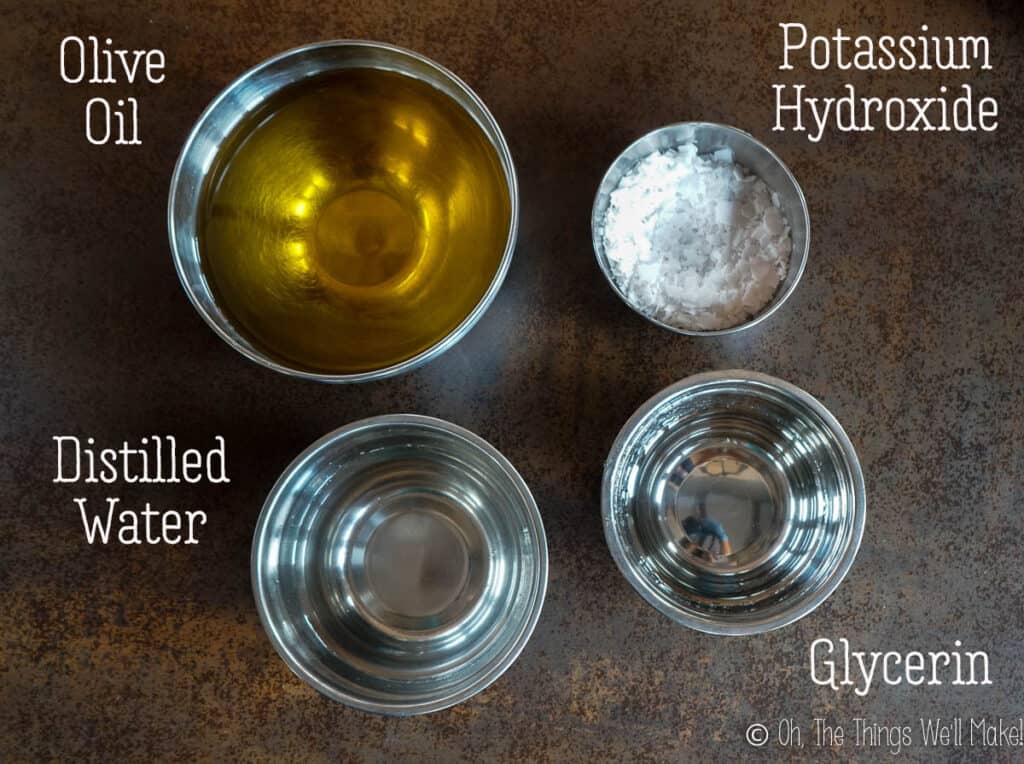
Making castile soap is a simple process that requires just a few ingredients:
- Olive oil: 2 liters
- Water: 600 grams
- Lye (sodium hydroxide): 250 grams
- Essential oils (optional)
To make castile soap, you’ll need to follow these steps:
- Weigh the lye and water and mix them together in a well-ventilated area.
- Heat the olive oil in a separate container until it reaches 40-50°C.
- Slowly add the lye mixture to the olive oil while stirring constantly.
- Continue stirring until the mixture thickens and forms a gel-like consistency.
- Add essential oils, if desired.
Safety Precautions When Working with Lye
Working with lye can be hazardous if proper safety precautions are not taken. Some of the safety precautions include:
- Wearing protective gear: Wear gloves, goggles, and a mask when handling lye to prevent skin and eye irritation.
- Using a well-ventilated area: Work in a well-ventilated area to prevent inhaling fumes from the lye mixture.
- Avoiding contact with skin: Avoid coming into contact with the lye mixture on your skin, as it can cause serious burns.
How Long Does Castile Soap Take to Mature?
Castile soap takes about 1-2 months to mature before it’s ready to use. During this time, the soap will undergo a process called “saponification,” where the lye reacts with the olive oil to create a soap base.
Making Liquid Castile Soap
To make liquid castile soap, you’ll need:
- Olive oil: 1 kg
- Water: 300 grams
- Lye (sodium hydroxide): 128 grams
- Essential oils (optional)
Follow the same steps as above to make liquid castile soap.
Frequently Asked Questions
Here are some frequently asked questions about making and using Castile soap:
Q: What is lye, and why do I need it?
A: Lye (sodium hydroxide) is a strong alkaline substance that reacts with olive oil to create a soap base. It’s essential for making castile soap.
Q: How do I keep myself safe while working with lye?
A: Wear protective gear, such as gloves, goggles, and a mask, when handling lye.
Q: Can I use Castile soap on sensitive skin?
A: Yes, Castile soap is gentle and suitable for most skin types. However, if you have sensitive skin, it’s best to do a patch test before using the soap extensively.
Q: How long does castile soap take to mature?
A: Castile soap takes about 1-2 months to mature before it’s ready to use.
Q: Can I make Castile soap at home?
A: Yes, making castile soap is a simple process that requires just a few ingredients. However, be sure to follow proper safety protocols and guidelines.
Tips for Making Castile Soap
Here are some tips for making Castile soap:
- Use high-quality ingredients: Use high-quality olive oil and lye to ensure that your soap turns out well.
- Follow the recipe carefully: Follow the recipe carefully to ensure that you’re using the correct proportions of lye and water.
- Add essential oils wisely: Add essential oils wisely, as too many can overpower the scent of the soap.
Variations on Castile Soap
There are several variations on Castile soap that you can try:
- Castile shampoo: Use a high ratio of olive oil to water to create a rich and moisturizing shampoo.
- Castile body wash: Add glycerin or coconut oil to create a gentle and moisturizing body wash.
- Castile laundry detergent: Use castile soap as a natural laundry detergent by adding it to your washing machine.
Conclusion
Castile soap is a natural, gentle cleanser made from olive oil and lye (sodium hydroxide). It has been used for centuries for skin care, hair care, and as a cleaning agent. With its antibacterial properties and moisturizing abilities, castile soap is an excellent choice for those looking for a natural alternative to commercial soaps.
By following the simple recipe outlined above and using proper safety protocols, you can create your own Castile soap at home. Happy soap-making!


