
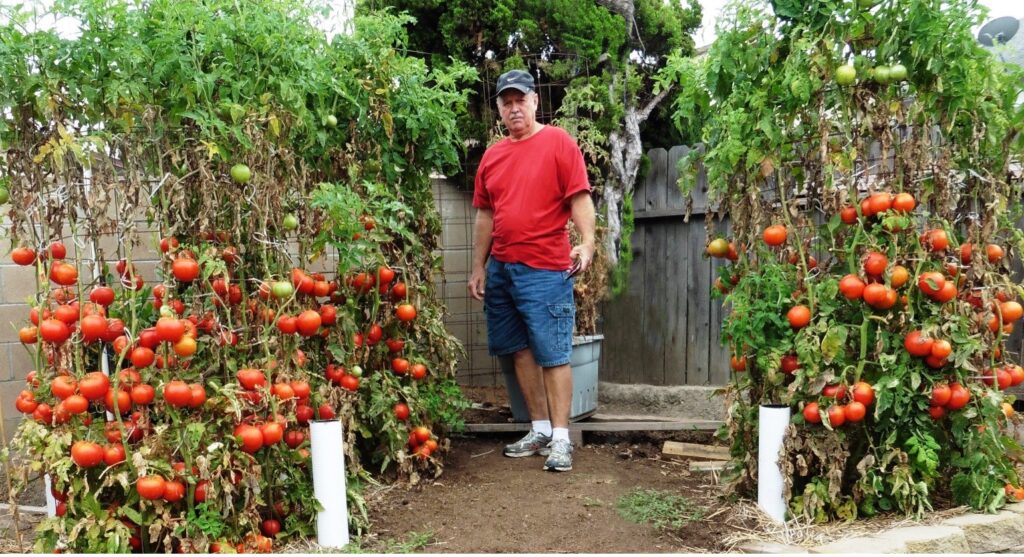
Growing tomatoes is one of the most rewarding experiences in gardening, providing fresh and delicious produce right at your fingertips. With over 7,500 varieties to choose from, selecting the perfect tomato variety can be a daunting task. In this comprehensive guide, we will walk you through the process of growing tomatoes, covering everything from preparation to harvesting.
Why Grow Tomatoes at Home?
Growing tomatoes at home offers numerous benefits, including:
- Freshness: No need to rely on store-bought tomatoes that may have been sitting on a shelf for days or weeks.
- Cost-effective: Growing your own tomatoes can save you money in the long run, as you won’t need to purchase them from supermarkets or online retailers.
- Control: With homegrown tomatoes, you have complete control over the quality, flavor, and appearance of your produce.
- Environmental benefits: By growing your own tomatoes, you reduce your carbon footprint and reliance on industrial agriculture.
Choosing the Right Tomato Variety
With so many varieties to choose from, selecting the perfect tomato for your needs can be overwhelming. Here are some popular options:
- Cherry Tomatoes: These small, round tomatoes are perfect for snacking, salads, and sauces.
- Sun Cherry: Similar to cherry tomatoes, but with a sweeter flavor and larger size.
- Pepper Tomatoes: Sweet and flavorful, these tomatoes are great for canning and sauces.
- Chipano Tomatoes: A popular variety in Italy, known for their sweet flavor and high yield.
- Lilliput Tomatoes: Small, round, and perfect for snacking or adding to salads.
- Datterino Tomatoes: Similar to cherry tomatoes, but with a more intense flavor and larger size.
- Del Piennolo Tomatoes: A popular variety in Italy, known for their sweet flavor and high yield.
If you prefer to harvest your tomatoes earlier, consider the following varieties:
- Marmande Tomatoes: Can produce fruit weighing up to 200 grams.
- San Pietro Tomatoes: Similar to Marmande, but with a sweeter flavor and larger size.
How to Plant Tomatoes
Planting tomatoes requires careful preparation to ensure optimal growth. Here’s a step-by-step guide:
- Choose a location: Select a spot that receives full sun (at least 6 hours of direct sunlight) and has well-draining soil.
- Select the variety: Choose the tomato variety that suits your needs, considering factors like flavor, size, and yield.
- Prepare the soil: Remove debris, till the soil to a depth of 8-10 inches, and add organic matter like compost or manure.
- Purchase seeds or plants: Buy high-quality seeds or seedlings from reputable sources.
Growing Tomatoes in Vases or In the Ground
Growing tomatoes in vases is possible and allows for indoor cultivation during the winter months. To grow tomatoes in vases, follow these steps:
- Choose a large vase with good drainage.
- Fill the vase with a well-draining potting mix.
- Plant the tomato seedling in the vase, leaving about 2-3 inches of stem above the soil.
- Provide adequate sunlight and water regularly.
Growing tomatoes in the ground is also an option, especially for larger varieties. Here are some tips:
- Choose a location with well-draining soil.
- Use a trellis or stake to support indeterminate tomato plants.
- Water regularly, providing about 1-2 inches of water per week.
Planting Seeds
If starting from seeds, follow these steps:
- Plant the seeds superficially in a bed of soft soil.
- Wait for germination (usually 7-14 days).
- Transplant the seedlings to larger pots or directly into the garden when they reach 10-15 cm in height.
Transplanting Tomatoes
To transplant your tomato plant, follow these steps:
- Gently remove the soil around the roots.
- Create a hole in the ground for the transplanted plant.
- Place the root system of the plant inside the hole, ensuring all roots are covered by soil.
- Press down on the surrounding soil to secure the plant’s position.
After transplanting, water your tomato plants thoroughly and apply fertilizer specific to tomatoes.
Harvesting Tomatoes
Tomatoes are ready for harvesting when they have reached their full color, whether it’s red, yellow, or black. Here are some tips:
- Regularly check your tomato plants for ripeness.
- Harvest tomatoes at the peak of freshness, as they can quickly deteriorate if left on the plant too long.
- Handle tomatoes gently to avoid bruising or damaging them.
Some varieties of tomatoes can be harvested earlier than others. Regular watering is crucial during the growth process, as well as controlling weeds and pests.
Supporting Tomato Plants
Indeterminate tomato plants require support to keep them upright and organized. Here are some tips:
- Use a trellis or stake to provide structure for indeterminate tomato plants.
- Create a makeshift trellis using everyday items like empty cans or “twigs” (small sticks) tied together with twine.
Growing Tomatoes in an Unheated Space
While a greenhouse is ideal, you can also grow tomatoes indoors using a sunny spot with good air circulation. Here are some tips:
- Choose a location with plenty of natural light.
- Ensure good air circulation to prevent fungal diseases and pests.
- Maintain a consistent temperature between 65-75°F (18-24°C) for optimal growth.
By following these steps and tips, you’ll be well on your way to growing delicious and healthy tomatoes in no time!


