
Introduction
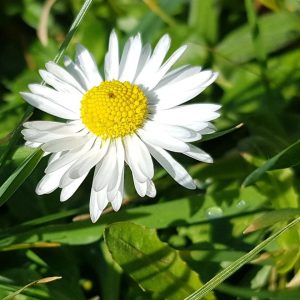
The marguerite, also known as the daisy, is one of the most recognizable and beloved flowers in the world. Its simplicity and beauty have made it a staple in gardens and bouquets for centuries. But did you know that this unassuming flower has a rich history, numerous medicinal properties, and a wide range of uses? In this article, we’ll delve into the fascinating world of the marguerite and explore its many wonders.
The Marguerite: A Brief History
The marguerite’s scientific name is Bellis perennis, but it’s commonly known as the daisy. This flower has been a favorite among humans for centuries, with early mentions found in ancient Roman texts. In mythology, the marguerite was associated with the goddess Ostara, who embodied the principles of spring and renewal.
The marguerite’s history dates back to the 16th century when it was introduced to Europe from Asia. It quickly gained popularity among gardeners and florists due to its ease of growth and striking appearance. Over time, the marguerite became a staple in gardens across the globe, with different varieties emerging each year.
The Marguerite: A Symbol of Love and Devotion
In the language of flowers, the marguerite is often used to express love and devotion. Its white petals are said to represent purity, innocence, and chastity, while its yellow center symbolizes faithfulness and loyalty. This flower has been a popular choice for wedding bouquets, as it’s believed to bring good fortune and happiness to the newlyweds.
In addition to its romantic connotations, the marguerite is also associated with other meaningful symbols. For example, in Ireland, the marguerite is seen as a symbol of friendship and loyalty. In France, it represents innocence and purity.
The Marguerite: A Medicinal Marvel
But the marguerite is more than just a pretty face; it also boasts an impressive array of medicinal properties. The leaves and flowers can be used to treat a range of ailments, including:
- Antibacterial and anti-inflammatory effects: The saponins present in the marguerite have been shown to exhibit antibacterial and anti-inflammatory properties, making them effective against minor cuts and scrapes.
- Digestive issues: The tannins and resins in the marguerite can help alleviate digestive problems such as constipation, diarrhea, and bloating.
- Skin conditions: The antiseptic and anti-inflammatory properties of the marguerite make it an effective treatment for skin conditions like acne, eczema, and psoriasis.
The Marguerite: A Beauty Treatments
But that’s not all; the marguerite is also a popular ingredient in beauty treatments. Its oil can be used to:
- Relax and soothe: The marguerite oil is known for its calming effects, making it an excellent remedy for stress, anxiety, and insomnia.
- Brighten and tone: The antioxidant properties of the marguerite oil help to brighten and even out skin tone, reducing the appearance of fine lines and wrinkles.
The Marguerite: A Versatile Garden Companion
In addition to its medicinal and beauty benefits, the marguerite is also a valuable garden companion. Its ability to repel pests and attract beneficial insects makes it an excellent choice for organic gardens.
The marguerite’s growth habits make it easy to integrate into various garden settings. It can be grown in containers or directly in the ground, making it accessible to gardeners of all levels. Additionally, the marguerite is relatively low-maintenance, requiring only occasional watering and pruning to keep it looking its best.
The Marguerite: A Food Source
The marguerite is also edible and has been used as a food source for centuries. The flowers can be used in salads, while the leaves and stems are edible and can be used in soups or stews.
In some parts of Europe, the marguerite is still used to make traditional dishes like marguerite salad and marguerite soup. These recipes often feature the flower as a key ingredient, combining it with other herbs and spices to create delicious and unique flavor profiles.
Conclusion
The marguerite is more than just a simple flower; it’s a treasure trove of natural remedies, beauty treatments, and gardening wisdom. Whether you’re looking to alleviate digestive issues or simply enjoy the beauty of this versatile flower, the marguerite has something to offer. So next time you see one blooming in your garden or bouquet, remember all the wonderful things it can do for you!
Frequently Asked Questions
- Q: Can I use marguerite oil on my skin?
A: Yes, but always dilute it with a carrier oil before applying to sensitive areas. - Q: How do I grow a marguerite in my garden?
A: Plant the seeds about ¼ inch deep and keep the soil consistently moist during the first few weeks after planting. - Q: Can I use marguerite leaves and flowers to make tea?
A: Yes, steep 1-2 teaspoons of dried or fresh marguerite in a cup of boiling water for 5-7 minutes, then strain and enjoy. - Q: How do I treat acne with marguerite oil?
A: Apply a few drops of marguerite oil directly to the affected area using a cotton swab, and leave it on overnight before washing off in the morning. - Q: Can I use marguerite as a natural remedy for insect bites?
A: Yes, apply a small amount of marguerite oil directly to the affected area using a cotton swab, and let it sit for a few minutes before washing off with cold water.
Note: Always consult with a healthcare professional or registered herbalist before using any new remedies, especially if you have underlying health conditions or allergies.


