
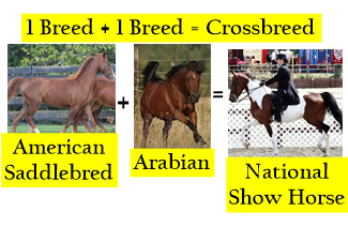
As humans, we have always been fascinated by the intersection of animals, whether it’s through domestication, hybridization, or simply observing their natural behavior. This article will delve into the world of animal hybrids, exploring their definition, examples, and implications on our understanding of biology, ethics, and conservation.
What are Animal Hybrids?
Animal hybrids are offspring resulting from the mating of two different species or breeds. This process can occur naturally in the wild or through selective breeding by humans. The outcome is a new individual with characteristics that may be unique to its parents. For instance, crossing a lion with a tiger can produce a ligre, while mixing a horse with an donkey creates a mule.
Types of Animal Hybrids
There are two primary types of animal hybrids: intraspecific and interspecific.
- Intraspecific Hybrids: These occur between two individuals within the same species. For example, outbreeding involves breeding animals from different lines or populations within the same species to introduce new genetic variations.
- Interspecific Hybrids: These involve mating between individuals from different species altogether. This can be done for various purposes like creating new breeds or introducing desirable traits.
Genetics of Animal Hybrids
The genetics behind animal hybrids is complex and influenced by multiple factors, including the genetic makeup of each parent species. When two animals breed, their genetic material combines in unique ways, resulting in a hybrid with characteristics that may be beneficial or detrimental to its health and well-being.
For instance, certain traits like resistance to disease or increased fertility might become more prevalent in hybrids due to the combination of genes from different parents. Conversely, hybrids can also inherit unwanted traits that compromise their health or fitness.
Ethical Considerations
The creation of animal hybrids raises several ethical concerns:
- Welfare: Hybrids may experience stress, illness, or other health issues due to genetic diversity.
- Conservation: The introduction of new species through hybridization can lead to unintended consequences for native ecosystems and biodiversity.
Regulations and Laws
Governments have established regulations and laws governing the use of animal hybrids in various fields:
- Animal Welfare: Many countries have laws protecting animals from cruelty and ensuring their humane treatment.
- Conservation: Regulated breeding programs can help preserve endangered species by introducing genetic diversity.
While these regulations aim to balance human needs with animal welfare, ongoing debates highlight the need for continued discussion and adaptation of existing frameworks.
Examples of Animal Hybrids
- Liger: A cross between a male lion (Panthera leo) and a female tiger (Panthera tigris), creating an individual that is larger than either parent.
- Zorse: The offspring of a male zebra (Equus quagga) and a female horse (Equus caballus).
- Mule: A cross between a male donkey (Equus asinus) and a female horse (Equus caballus), creating an individual that is sterile due to its genetic makeup.
- Wholphin: The offspring of a male false killer whale (Pseudorca crassidens) and a female bottlenose dolphin (Tursiops truncatus).
- Llamas: A cross between two South American camelids, creating individuals with unique characteristics.
Implications of Animal Hybrids
The creation of animal hybrids has significant implications for various fields:
- Biology: Understanding the genetic makeup and behavior of hybrids can provide insights into evolution, adaptation, and speciation.
- Agriculture: Hybridization can enhance crop yields, disease resistance, and overall productivity in agriculture.
- Conservation: Regulated breeding programs can help preserve endangered species by introducing genetic diversity.
However, there are also potential risks associated with creating animal hybrids:
- Environmental Impact: The introduction of new species through hybridization can lead to unintended consequences for native ecosystems and biodiversity.
- Health Risks: Hybrids may experience health issues due to genetic diversity or inherit unwanted traits that compromise their fitness.
Conclusion
The intersection of animals is a complex area that intersects biology, ethics, and conservation. By understanding the complexities surrounding animal hybrids, we can better appreciate the importance of responsible breeding practices, species preservation, and animal welfare.
As our knowledge and understanding of animal hybrids evolve, so too must our approach to creating and managing these individuals. This requires ongoing dialogue and collaboration between scientists, policymakers, and animal welfare advocates.
Frequently Asked Questions (FAQs)
-
What are the benefits of creating animal hybrids?
- Introducing desirable traits into a species to enhance its fitness or productivity.
-
Can animal hybrids be used for conservation efforts?
-
Yes, regulated breeding programs can help preserve endangered species by introducing genetic diversity.
-
Are there any risks associated with creating animal hybrids?
-
Yes, the introduction of new species through hybridization can lead to unintended consequences for native ecosystems and biodiversity.
-
What regulations are in place to govern animal hybrid creation?
-
Various countries have established laws protecting animals from cruelty and ensuring their humane treatment.
-
How do we balance human needs with animal welfare concerns?
-
Ongoing discussions and adaptations of existing frameworks are necessary to address these concerns.
-
Can animal hybrids be used for agricultural purposes?
-
Yes, certain breeds created through hybridization can enhance productivity or disease resistance in agriculture.
-
Are there any potential long-term consequences of creating animal hybrids?
-
The creation of new species through hybridization can have unforeseen effects on ecosystems and the environment.
-
Can animal hybrids be used for medical research?
-
Yes, certain breeds created through hybridization can provide valuable insights into human health and disease.


