
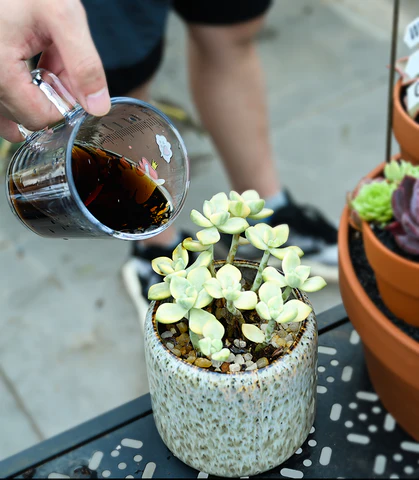
As a succulent enthusiast, you’re likely familiar with the unique needs of these drought-tolerant plants. However, with so many options available, it can be overwhelming to determine when and how to care for your succulents. In this article, we’ll delve into the world of succulent care, covering everything from timing to fertilization.
When to Fertilize Succulents
The ideal time to fertilize succulents depends on the specific species and its growth stage. Generally, succulents require less frequent fertilization than other plants. As a rule of thumb, fertilize your succulents in the spring, when they’re emerging from their winter dormancy.
March Madness: Bringing Succulents Outdoors
As the weather warms up, it’s time to bring your succulents outdoors! March is a critical month for succulent care, as the plants need protection from frost and excessive rain. If you live in the northern regions of Italy, be sure to provide your succulents with a sheltered location to prevent damage.
Succulent Species and Sunlight Requirements
Different succulent species have varying sunlight requirements. Some, like Agave and Aloe, require gradual exposure to direct sunlight to prevent burning. Others, such as Crassula and Echeveria, thrive in filtered sunlight.
- Agave and Aloe: These succulents require at least 4-6 hours of direct sunlight per day.
- Crassula and Echeveria: These plants prefer bright, indirect light and can tolerate partial shade.
- Cacti: Most cacti species are adapted to full sun and require at least 6 hours of direct sunlight per day.
Shade-Loving Succulents
If you’re looking for succulents that can tolerate shade, consider species like Aporocactus, Epiphyllum, Hoya, and Schlumbergera. These plants prefer bright, indirect light and can thrive in partially shaded areas.
- Aporocactus: This cactus prefers partial shade to full sun.
- Epiphyllum: This orchid-like succulent requires bright, indirect light.
- Hoya: Also known as the “wax plant,” Hoya prefers bright, indirect light.
- Schlumbergera: This epiphytic succulent thrives in partial shade.
Timing is Everything: Watering and Fertilization
Watering and fertilizing your succulents require a delicate balance. When watering, make sure the soil has dried out completely before providing additional moisture. As for fertilization, start with a balanced fertilizer (NPK 6-18-36 or 5-15-30) and adjust according to your plant’s needs.
Fertilizing Tips
- Always follow the manufacturer’s instructions when using fertilizers.
- Start with a low dose and gradually increase as needed.
- Fertilize every 4-5 weeks during the growing season (spring-fall).
- Use a fertilizer specifically designed for cacti and succulents, as they contain essential micronutrients.
Common Mistakes to Avoid
- Overwatering: one of the most common mistakes succulent owners make.
- Insufficient sunlight: many succulents require direct sunlight to thrive.
- Inadequate fertilization: failing to provide necessary nutrients can lead to weak growth and poor health.
- Incorrect soil temperature: some succulents, like Echeveria, prefer cooler temperatures (around 65°F/18°C).
- Too much fertilizer: overfertilizing can damage the plant’s roots and cause nutrient imbalances.
Soil and pH Requirements
Succulents have specific soil requirements to thrive. The ideal pH range for succulents is between 6.0 and 7.0, with a slightly acidic to neutral pH.
- Soil mix: Use a well-draining potting mix specifically designed for cacti and succulents.
- Sand content: Include sand in your soil mix to improve drainage and prevent waterlogging.
Repotting Succulents
Repotting is an essential part of succulent care. It allows you to refresh the plant’s soil, provide a larger pot if necessary, and prune the roots.
- When to repot: Spring is an ideal time to repot succulents that have outgrown their containers.
- How often to repot: Repot your succulents every 2-3 years, or when the plant has outgrown its container.
Common Pests and Diseases
Succulents can be susceptible to pests and diseases. Inspect your plants regularly for signs of infestation or infection.
- Mealybugs: These small, white insects feed on sap and can cause yellowing leaves.
- Spider mites: These tiny, spider-like arachnids feed on sap and can cause yellowing leaves.
- Root rot: Overwatering can lead to root rot in succulents. Inspect your plants’ roots regularly for signs of decay.
Propagation Techniques
Many succulent species can be propagated using leaf or stem cuttings.
- Leaf cuttings: Take a healthy, mature leaf from the mother plant and plant it in well-draining soil.
- Stem cuttings: Cut a section of stem from the mother plant and allow it to dry for 2-3 days before planting.
Conclusion
Caring for succulents requires attention to detail, patience, and a willingness to learn. By understanding the specific needs of your succulent species and following these guidelines, you’ll be well on your way to becoming a successful succulent enthusiast. Remember to water wisely, fertilize regularly, provide your plants with the right environment, and keep an eye out for common mistakes.
Frequently Asked Questions
- When should I start fertilizing my succulents?
- Spring is an ideal time to begin fertilization, when your succulents are emerging from their winter dormancy.
- How often should I water my succulents?
- Water your succulents when the soil has completely dried out between waterings.
- What type of fertilizer is best for cacti and succulents?
- Look for fertilizers specifically designed for cacti and succulents, as they contain essential micronutrients.
- Can I overfertilize my succulents?
- Yes, overfertilizing can lead to weak growth and poor health in your succulents.
- How do I know if my succulents are getting enough sunlight?
- Check for signs of stress, such as yellowing leaves or a lack of new growth. If you notice any of these symptoms, adjust your plant’s placement accordingly.
- Can I fertilize my succulents in the winter?
- No, it’s best to avoid fertilizing during the winter months when your succulents are dormant.
- How do I handle pests on my succulents?
- Inspect your plants regularly for signs of pests, and treat any infestations promptly with insecticidal soap or neem oil.
- Can I propagate succulents from cuttings?
- Yes, many succulent species can be propagated using leaf or stem cuttings. Research specific propagation techniques for your plant species.
By following these guidelines and being mindful of common mistakes, you’ll be well on your way to becoming a successful succulent enthusiast. Happy planting!


