
Flebitis is a common condition characterized by inflammation of the veins in the legs, but it can also occur in other areas of the body. In this article, we will delve into the causes, symptoms, and treatments of flebitis, as well as discuss natural remedies and alternative therapies that may help alleviate its effects.
Signs and Symptoms of Flebitis
Flebitis can manifest in various ways, including:
- Redness and swelling in the affected area
- Pain or tenderness to the touch
- Warmth or redness in the veins
- Itching or burning sensations
These symptoms can be caused by an underlying infection or inflammation that has spread to the affected vein. In severe cases, flebitis can lead to more serious complications, such as blood clots (thrombophlebitis) or even death.
Causes and Treatments of Flebitis
Flebitis is often caused by:
- Infection: Bacterial or fungal infections can spread to the veins, leading to inflammation.
- Injury: Trauma or injury to the veins can cause damage and lead to flebitis.
- Medical conditions: Certain medical conditions, such as deep vein thrombosis (DVT), can increase the risk of developing flebitis.
Treatment options for flebitis typically involve medications that reduce inflammation, such as non-steroidal anti-inflammatory drugs (NSAIDs). In severe cases, blood clots may be treated with anticoagulant medications or even surgery.
Natural Remedies and Alternative Therapies
While medication is often the primary treatment option for flebitis, there are several natural remedies and alternative therapies that may help alleviate its effects. These include:
- Exercise: Regular exercise can help improve circulation and reduce inflammation.
- Dietary changes: Eating a healthy, balanced diet rich in fruits, vegetables, and whole grains can help support overall health and well-being.
- Herbal supplements: Certain herbs, such as boswellia, ginger, and ginkgo biloba, may have anti-inflammatory properties that can help alleviate flebitis symptoms.
- Omeopathic remedies: Some omeopathic remedies, such as Arnica and Belladonna, may be used to treat flebitis.
- Acupuncture: This ancient Chinese practice involves inserting thin needles into specific points on the body to stimulate healing and reduce inflammation.
- Massage therapy: Massaging the affected area can help improve circulation and reduce swelling.
Distinguishing Between Flebitis and Tromboflebitis
Flebitis and tromboflebitis are two related but distinct conditions. Flebitis refers specifically to the inflammation of a vein, while tromboflebitis is a more serious condition characterized by blood clots (thrombi) that can cause severe complications.
Tromboflebitis can be caused by a variety of factors, including:
- Blood clots: Clots can form in the veins and cause inflammation.
- Infection: Bacterial or fungal infections can spread to the affected vein and cause blood clots.
- Trauma: Injury to the veins can cause damage and lead to blood clots.
Preventing Flebitis
While it’s not always possible to prevent flebitis, there are several steps that can be taken to reduce its likelihood. These include:
- Maintaining good overall health through regular exercise and a balanced diet.
- Avoiding factors that can increase the risk of infection or injury, such as smoking or taking high-risk medications.
- Getting enough sleep and managing stress levels.
Consequences of Untreated Flebitis
If left untreated, flebitis can lead to more serious complications, including:
- Blood clots: Clots can form in the affected vein and cause severe symptoms.
- Infection: Bacterial or fungal infections can spread to other parts of the body, causing serious illness.
- Damage to surrounding tissue: Untreated inflammation can damage the surrounding tissue, leading to scarring and permanent damage.
Managing Flebitis with Medication
Medications are often used to treat flebitis. These may include:
- Anti-inflammatory medications: NSAIDs, such as ibuprofen or naproxen, can help reduce inflammation.
- Anticoagulant medications: Blood thinners, such as warfarin or heparin, can help prevent blood clots from forming.
- Antibiotics: If the cause of flebitis is an infection, antibiotics may be prescribed to treat it.
Home Remedies for Flebitis
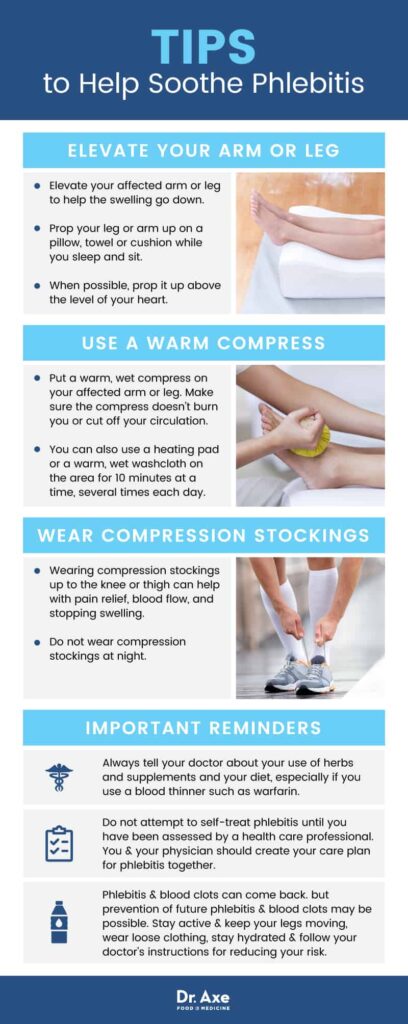
There are several home remedies that may help alleviate flebitis symptoms. These include:
- Applying a warm compress: Soaking a cloth in warm water and applying it to the affected area can help reduce swelling and ease pain.
- Elevating the affected limb: Raising the affected limb above heart level can help reduce swelling and improve circulation.
- Using a heating pad: Applying a heating pad to the affected area can help reduce pain and ease inflammation.
Frequently Asked Questions (FAQs)
- What is flebitis?
Flebitis is an inflammation of the veins in the legs or other areas of the body.
- How is flebitis diagnosed?
Flebitis can be diagnosed through a physical examination, medical history, and imaging tests such as ultrasound or CT scans.
- What are the symptoms of tromboflebitis?
Tromboflebitis is characterized by pain, swelling, redness, and warmth in the affected vein, along with possible blood clots (thrombi).
- Can flebitis be prevented?
While it’s not always possible to prevent flebitis, maintaining good overall health through regular exercise and a balanced diet can help reduce its likelihood.
- What are some natural remedies for flebitis?
Certain herbs, such as boswellia and ginger, may have anti-inflammatory properties that can help alleviate flebitis symptoms. Dietary changes, such as eating a healthy, balanced diet rich in fruits, vegetables, and whole grains, can also support overall health and well-being.
- Can omeopathic remedies help with flebitis?
Some omeopathic remedies, such as Arnica and Belladonna, may be used to treat flebitis, but it’s essential to consult with a healthcare professional before using any alternative therapies.
- How can I manage tromboflebitis?
Tromboflebitis is typically treated with anticoagulant medications or surgery. However, maintaining good overall health through regular exercise and dietary changes can help reduce the risk of complications.


