
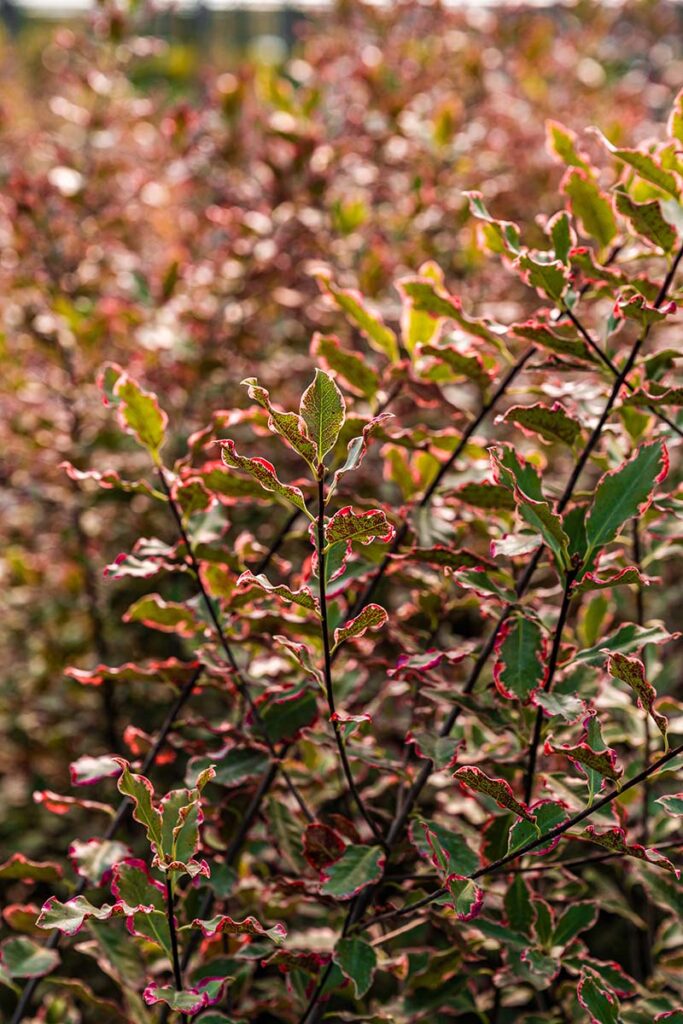
As a connoisseur of plants, you might have come across the term “Pitospore” but perhaps didn’t know much about it. This article aims to delve into the world of this fascinating genus of trees and shrubs, exploring its characteristics, diseases, habitat, cultivation, and more.
What is Pitospore?
The name “Pitospore” originates from its distinctive berries, which are small balls containing fertile seeds covered in a resinous film. In Greek, “pittosporum” means literally “sticky seeds.” This family of plants, known as Pittosporaceae, comprises over 150 species, with only six being cultivated.
Characteristics of Pitospore
When it comes to individual varieties, there are many to explore. In Italy, three species stand out: Pittosporum tobira, P. tenuifolium, and P. heterophyllus. The first is a Chinese shrub, the second hails from New Zealand with seven varieties, and the third is widely distributed but blooms in spring.
One of the most striking features of Pitospore bushes is their varying heights, requiring regular pruning to maintain shape and appearance. Their foliage consists of small, elongated leaves that are dark green on top with prominent venation. This makes them ideal for sculpting and shaping into hedges or topiaries.
The Unique Flowers of Pitospore
While the flowers might seem unassuming at first glance, they’re what set Pitospore apart from other plants. The blooms grow in bunches, typically white to yellow in color, and are highly fragrant. Following the flowers, green or orange berries emerge, which can be a striking feature.
Habitat of Pitospore
As an evergreen plant, Pitospore thrives in Mediterranean climates, particularly along coastlines. While it’s not native to Italy, it has become a popular choice for balconies and terraces due to its ability to create dense hedges. One variety, P. tenuifolium, is specifically suited for creating clusters of flowers.
Pittosporum tenuifolium: A Special Species
Within the Pittosporum genus lies a standout species – P. tenuifolium. Its flowers emerge in April and boast a distinctive dark color, reminiscent of chocolate. They also possess a subtle vanilla-like fragrance, setting it apart from other varieties.
Cultivation Tips for Pitospore
To ensure the optimal growth and health of your Pitospore plant, consider the following guidelines:
- Place the plant in a location receiving ample sunlight and protection from harsh winds.
- Plant in a shaded area with rich, well-draining soil.
- Prune regularly to maintain shape and promote healthy growth.
Diseases Affecting Pitospore
While Pitospore is relatively resistant to disease, it’s not immune. Common enemies include snails, aphids, and oziorrinco beetles. These pests can cause damage through spots on leaves, sticky films, or by sucking sap from flowers and leaves.
Pest Control Methods for Pitospore
To minimize the impact of pests and diseases on your Pitospore plant, consider the following methods:
- Regular monitoring: Check your plants regularly for signs of pests or diseases.
- Organic pest control: Use natural methods to control pests, such as neem oil or insecticidal soap.
- Pruning: Remove infected branches or leaves to prevent the spread of disease.
Common Problems with Pitospore
Some common issues that can arise when growing Pitospore include:
- Overwatering: Make sure not to overwater your plant, as this can lead to root rot and other problems.
- Underwatering: On the other hand, make sure your plant is receiving enough water, especially during hot summer months.
- Pests: Regularly check for pests and take action promptly if you notice any issues.
Propagation of Pitospore
Pitospore can be propagated using various methods, including:
- Cuttings: Take cuttings from healthy stems to create new plants.
- Seeds: Plant seeds in well-draining soil to grow a new plant from seed.
- Layering: Bend the stem of the plant down to the ground and secure it with wire or twine. Roots should develop over time.
Care and Maintenance
To keep your Pitospore plant thriving, follow these care tips:
- Water regularly, but avoid overwatering.
- Fertilize sparingly, as Pittosporum prefers well-draining soil.
- Prune regularly to maintain shape and promote healthy growth.
Pruning Techniques for Pitospore
When pruning your Pitospore plant, use the following techniques:
- Reduce size: Prune branches that are too long or overgrown to maintain a balanced shape.
- Shape the plant: Use pruning to create a desired shape or topiary effect.
- Remove dead wood: Remove any dead or damaged branches to promote healthy growth.
Varieties of Pitospore
While there are many varieties of Pitospore, some stand out for their unique characteristics. These include:
- Pittosporum tobira: A Chinese shrub with bright yellow flowers and dark green foliage.
- P. tenuifolium: A New Zealand native with white to yellow flowers and green or orange berries.
- P. heterophyllus: A widely distributed species with white to yellow flowers and dark green foliage.
Gardening Tips for Pitospore
To create a stunning display of Pitospore in your garden, follow these tips:
- Choose the right variety: Select a variety that suits your climate and desired shape.
- Plant multiple plants: Create a cluster of plants to create a dramatic effect.
- Prune regularly: Regular pruning will help maintain shape and promote healthy growth.
Conclusion: Embracing the Beauty of Pitospore
In conclusion, Pitospore is a captivating genus of trees and shrubs that offers a unique blend of characteristics, diseases, and cultivation requirements. By understanding its needs and traits, you can cultivate and appreciate this remarkable plant in your own space.
Frequently Asked Questions (FAQs)
- What is the primary purpose of Pitospore?
Pitospore is primarily used as an ornamental plant, providing a striking feature for gardens and landscapes. - How often should I prune my Pitospore plant?
Pruning your Pitospore regularly will help maintain shape, promote healthy growth, and encourage blooming. - Can Pitospore be grown in indoor spaces?
Yes, Pitospore can thrive in indoor environments with proper care and attention to lighting and temperature. - What is the most common disease affecting Pitospore?
Snails are one of the primary pests affecting Pitospore, causing damage through spots on leaves or sticky films. - Can I grow multiple varieties of Pitospore together?
While it’s possible, mixing different varieties may lead to compatibility issues or reduced growth due to competition for resources. - How do I protect my Pitospore plant from pests and diseases?
Regular monitoring, pruning, and applying organic pest control methods can help minimize damage from common enemies. - Can Pitospore be used as a hedge or topiary?
Yes, the bushes’ ability to be shaped and sculpted makes them an excellent choice for creating hedges or topiaries. - How long do Pitospore plants take to mature?
Pitospore plants can take several years to reach full maturity, depending on factors such as climate, care, and variety.
By following the guidelines and tips outlined in this comprehensive guide, you’ll be well on your way to cultivating a thriving and beautiful Pitospore plant.


