
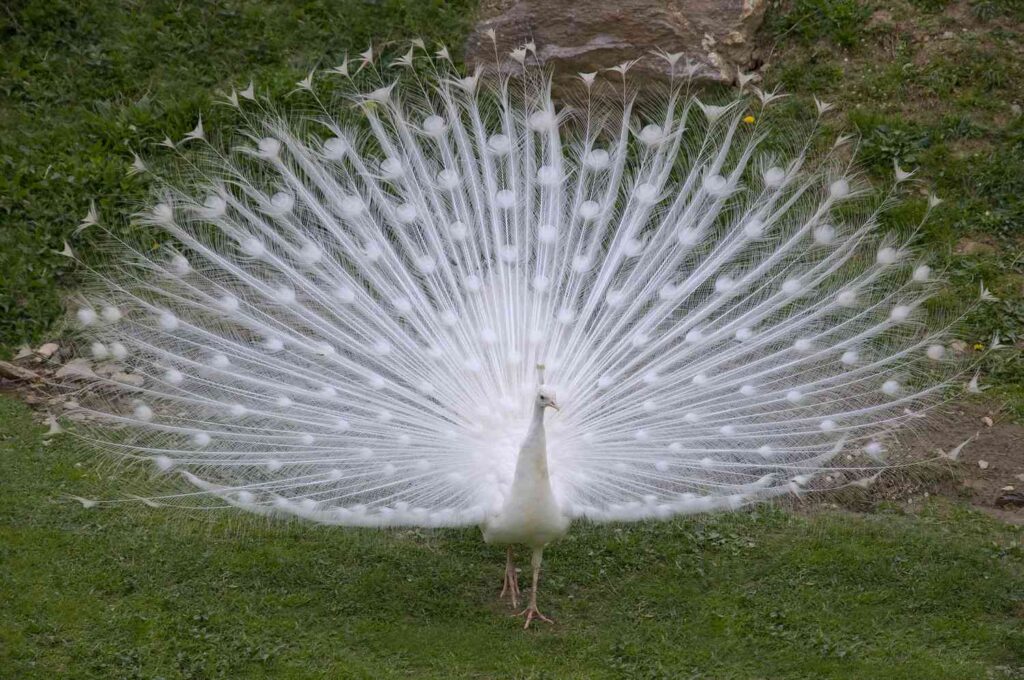
As we gaze upon the majestic peacock, it’s hard not to notice its vibrant plumage. But have you ever seen a bird with a completely white coat? The albino peacock is a rare sight to behold, and in this article, we’ll delve into its characteristics, habits, and significance.
The Origins of the Albino Peacock
Originating from India and Sri Lanka, the peacock has been a part of human culture for centuries. However, the albino variety is relatively new to Europe, and it’s not uncommon to spot them in gardens and zoos. These birds are highly prized for their uniqueness, but they’re also quite sensitive due to their genetic makeup.
The exact origin of the albino peacock is unclear, but it’s believed that these birds were first discovered in the early 20th century. At that time, scientists and bird enthusiasts began to study the unique characteristics of these birds, leading to a greater understanding of their genetics and habits.
Characteristics of the Albino Peacock
The albino peacock boasts a white coat, with its tail feathers resembling a delicate lacework. However, it’s essential to note that this bird is not immune to disease or environmental stressors. In fact, its consanguineous nature makes it more susceptible to health issues.
One of the most striking features of the albino peacock is its lack of pigmentation. This means that it lacks melanin, which is responsible for the characteristic brown and black colors of traditional peacocks. As a result, the albino peacock has a pale, almost translucent appearance that sets it apart from other birds.
Despite its striking appearance, the albino peacock’s behavior and habits are similar to those of traditional peacocks. These birds are known for their elaborate courtship displays, which involve the display of brightly colored feathers and the shaking of their tails.
The Peacock’s Traditional Varieties
Before the albino peacock came onto the scene, there were other traditional varieties of peacocks. The “Arlecchino” peacock, for instance, is a result of crossing an albino with a black peacock. This hybrid bird has a distinctive appearance, often seen in black and white videos.
Another traditional variety is the “Blue Peafowl,” which is native to Southeast Asia. These birds have a stunning blue-gray plumage, with intricate patterns of green and gold on their feathers.
The Black Peacock: A Rare Breed
The black peacock (Pavo cristatus var. nigripennis) is a rare breed that originated in England in the mid-19th century. Its males display blue and black plumage, while females have a bluish-gray coat with greenish tinted feathers on their necks and shoulders.
The black peacock is highly prized for its rarity and unique characteristics. These birds are relatively small compared to traditional peacocks, but they still possess the same impressive courtship displays.
Pricing the Albino Peacock
As expected, the albino peacock commands a higher price than its traditional counterparts. However, its value goes beyond mere aesthetics; it’s also a symbol of rarity and uniqueness.
In the pet trade, albino peacocks can cost anywhere from $5,000 to $10,000 or more, depending on their quality and provenance. These birds are highly sought after by collectors and enthusiasts, who are willing to pay top dollar for the opportunity to own one.
The Significance of the Albino Peacock
Beyond its beauty, the albino peacock holds cultural significance in various traditions. In ancient Roman mythology, it was associated with the goddess Juno. In Greek mythology, the peacock’s tail feathers were seen as multiple eyes, symbolizing divine vision.
In Christianity, the peacock represents immortality, particularly when white. The story of the peacock shedding its feathers and regrowing them in spring has become a metaphor for renewal and regeneration.
A Peacock’s Dilemma: Is it More Beautiful?
As we marvel at the albino peacock’s majesty, we can’t help but wonder if it’s more beautiful than the traditional breeds. While personal taste may vary, one thing is certain – this bird has a unique charm that captivates our imagination.
Some argue that the albino peacock’s lack of color makes it less visually appealing than its traditional counterparts. However, others believe that the bird’s pale appearance only adds to its beauty, making it more striking and memorable.
Frequently Asked Questions
Q: How rare are albino peacocks?
A: Albino peacocks are relatively rare due to their genetic makeup.
Q: What is the significance of the black peacock breed?
A: The black peacock breed holds cultural significance in various traditions, including ancient Roman and Greek mythologies.
Q: Can albino peacocks be kept as pets?
A: Albino peacocks are sensitive due to their genetic makeup and require special care. They may not make the best pets for inexperienced bird owners.
Q: How do albino peacocks differ from traditional breeds?
A: The albino peacock’s white coat sets it apart from traditional breeds, which often display vibrant colors.
Q: Is the albino peacock a symbol of rarity or uniqueness?
A: Both. Its unique appearance and cultural significance have made it a symbol of rarity and individuality.
Q: Can I find albino peacocks in zoos or gardens?
A: Yes, you can spot albino peacocks in some zoos and gardens, although they may be relatively rare to see.
By understanding the characteristics, habits, and significance of the albino peacock, we can appreciate its unique beauty and cultural importance. Whether you’re a seasoned bird enthusiast or simply fascinated by these majestic creatures, the albino peacock is sure to captivate your imagination.
Conservation Efforts
As with many rare and endangered species, conservation efforts are underway to protect the albino peacock population. These efforts include breeding programs, habitat preservation, and education campaigns aimed at raising awareness about the importance of conservation.
In addition, some organizations are working to establish protected areas for albino peacocks, providing a safe haven for these birds to thrive.
The Future of the Albino Peacock
As we look to the future, it’s clear that the albino peacock will continue to captivate our imagination. Whether you’re a seasoned bird enthusiast or simply fascinated by these majestic creatures, there’s no denying the allure of this rare and unique bird.
With continued conservation efforts and education campaigns, we can work towards ensuring the long-term survival of the albino peacock population. By understanding its characteristics, habits, and significance, we can appreciate its beauty and cultural importance, while also working to protect it for generations to come.


