
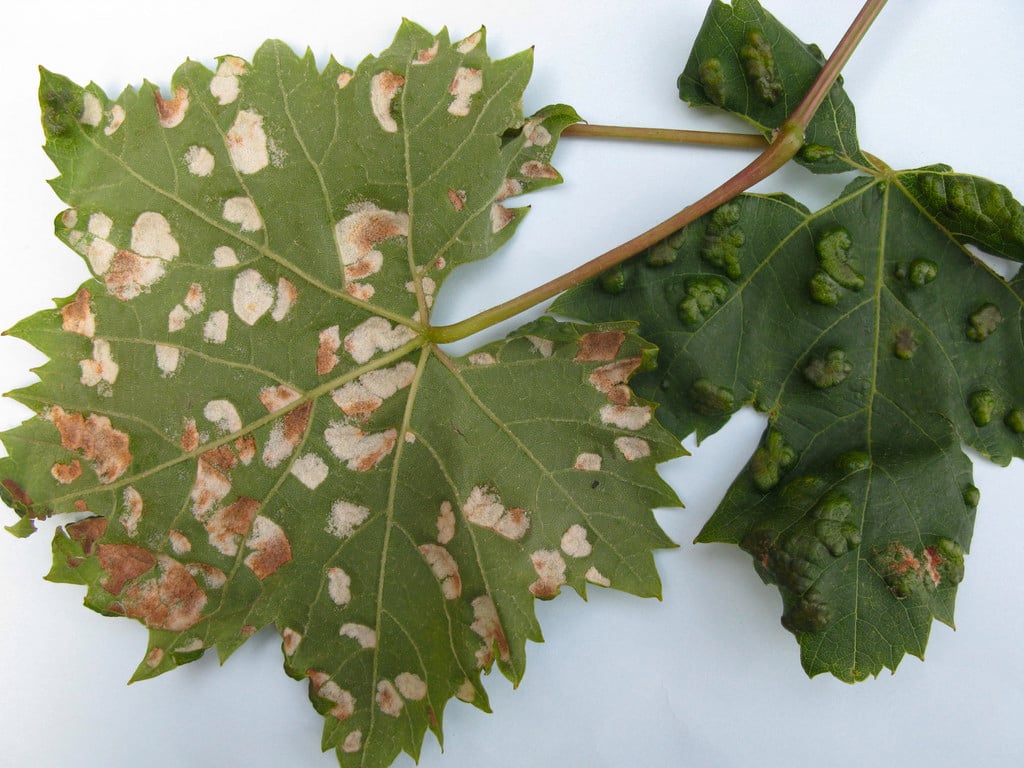
Grapes are a vital resource for the Italian agricultural landscape. However, grape diseases are a significant concern for farmers each year, causing economic losses to their property. In this article, we will explore the most common grape diseases, their symptoms, and effective treatment options.
Common Grape Diseases
This section highlights the most prevalent grape diseases and provides guidance on how to prevent and cure them:
1. Magnesium Deficiency
Magnesium is a crucial nutrient for grapes, but deficiencies can occur due to inadequate fertilization. Leaves may turn yellow and white, eventually leading to desiccation of the grapes.
Causes
- Inadequate fertilization
- Soil pH imbalance
- Insufficient water supply
- High temperatures
Symptoms
- Yellowing leaves with white edges
- Desiccation of grapes
- Reduced grape production
- Stunted plant growth
- Increased susceptibility to other diseases
Treatment Options
- Apply magnesium-rich fertilizers, such as solfate di magnesio
- Adjust soil pH to optimize magnesium availability
- Improve water supply and reduce evaporation
- Prune affected vines to promote healthy growth
2. Peronospora (Black Spot)
Peronospora is the most severe disease affecting grapes, characterized by yellowish spots on leaves known as “oil spots.”
Causes
- Fungal spores on infected plants
- High humidity and temperature
- Poor air circulation
Symptoms
- Yellowish spots on leaves
- Blackened areas under infected leaves
- Reduced plant growth
- Increased susceptibility to other diseases
- Premature defoliation
Treatment Options
- Apply fungicides, such as copper-based products
- Remove and dispose of infected material to prevent further spread
- Improve air circulation around the vineyard
- Use crop rotation techniques to reduce disease pressure
3. Mal de Escar (Powdery Mildew)
Mal de escar is a fungal disease causing white powdery patches on leaves.
Causes
- Fungal spores on infected plants
- High humidity and temperature
- Poor air circulation
Symptoms
- White powdery patches on leaves
- Reduced plant growth and productivity
- Premature defoliation
- Increased susceptibility to other diseases
Treatment Options
- Apply fungicides, such as sulfur-based products
- Remove and dispose of infected material to prevent further spread
- Improve air circulation around the vineyard
- Use crop rotation techniques to reduce disease pressure
4. Black Rot (Botrytis cinerea)
Black rot is a fungal disease causing yellowish spots on leaves.
Causes
- Fungal spores on infected plants
- High humidity and temperature
- Poor air circulation
Symptoms
- Yellowish spots on leaves
- Reduced plant growth and productivity
- Premature defoliation
- Increased susceptibility to other diseases
Treatment Options
- Apply fungicides, such as copper-based products
- Remove and dispose of infected material to prevent further spread
- Improve air circulation around the vineyard
- Use crop rotation techniques to reduce disease pressure
5. Disseccamento del Grappolo (Rachide Desiccation)
This disease causes desiccation of the grape clusters.
Causes
- Temperature fluctuations during flowering and maturation
- Intense rainfall during maturation
- Poor ventilation around the vineyard
Symptoms
- Desiccated grape clusters
- Reduced grape production
- Premature ripening
- Increased susceptibility to other diseases
Treatment Options
- Apply potassium-rich fertilizers to improve plant resistance to extreme temperatures
- Prune vines at a 45-degree angle to promote good air circulation and prevent disease spread
- Use windbreaks or other physical barriers to reduce temperature fluctuations
- Improve ventilation around the vineyard
6. Phylloxera (Phylloxera vitis)
Phylloxera is a small insect that can cause significant damage to grapevines.
Causes
- Infestation by phylloxera insects
- Poor vineyard management practices
Symptoms
- Distorted or curled leaves
- Premature defoliation
- Reduced plant growth and productivity
- Increased susceptibility to other diseases
Treatment Options
- Apply insecticides, such as neem oil-based products
- Prune affected vines to promote healthy growth
- Use integrated pest management techniques to reduce disease pressure
- Improve vineyard management practices to prevent infestation


