
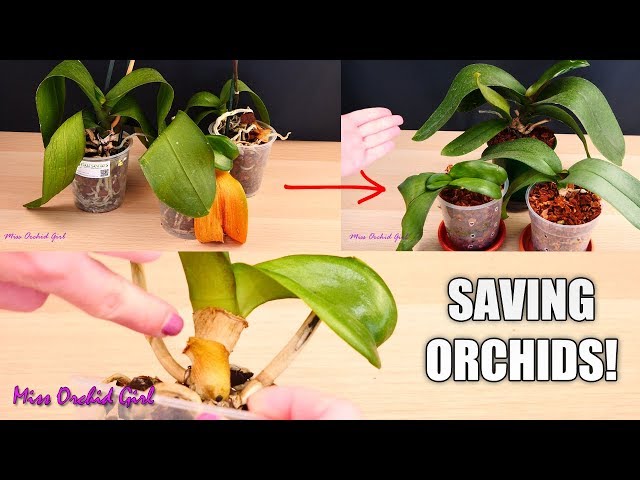
As an avid orchid enthusiast, you’re likely no stranger to the delicate nature of these exquisite flowers. To keep your orchids thriving and producing abundant blooms year after year, it’s essential to understand their specific care requirements.
In this article, we’ll delve into the world of orchid care, exploring the intricacies of irrigation, fertilization, pest management, and disease prevention. Whether you’re a seasoned collector or just starting out, these tips will help you create a thriving environment for your orchids to flourish.
Understanding Orchid Irrigation
Irrigating your orchid is an art that requires precision. The frequency and quality of watering can significantly impact the health and appearance of your plant.
- In winter months, reduce watering to once a week. This allows the plant to go dormant and conserve energy.
- During hot weather, increase watering to twice a week. If your environment is particularly dry, consider increasing watering to three times a week. However, be cautious not to overwater, as this can lead to root rot.
- For potted orchids in dry environments, supplement with nebulizing misting devices. This type of irrigation delivers fine droplets of water directly onto the leaves and roots, ensuring optimal hydration.
It’s crucial to note that the water quality has a direct impact on your orchid’s health. Use distilled or rainwater for irrigation, as tap water may contain high levels of calcium. Chlorine and fluoride can also harm orchids, so it’s best to opt for filtered water or use a water conditioner specifically designed for aquariums.
Fertilization: The Key to Healthy Growth
Fertilizing your orchid is essential for promoting healthy growth and preventing pest issues. However, it’s not a magic solution that will instantly repair damaged roots.
- Apply fertilizers specifically formulated for orchids. These products are tailored to meet the unique nutrient requirements of these plants.
- Dilute the fertilizer in water according to the manufacturer’s instructions. Over-fertilization can cause leaf discoloration or stunted growth, so it’s essential to follow the recommended dosage carefully.
- Fertilize your orchid during the growing season (spring and summer) when it’s actively producing new growth. Avoid fertilizing during the dormant season (fall and winter), as this can cause unnecessary stress.
Some popular types of fertilizers for orchids include:
- Balanced fertilizers: These products contain equal amounts of nitrogen, phosphorus, and potassium (NPK).
- High-phosphorus fertilizers: These are ideal for promoting root growth and flowering.
- High-potassium fertilizers: These can help prevent pest issues and promote overall plant health.
Pest Management: A Delicate Balance
Orchid pests can be a nuisance, but it’s essential to handle them with care. Overusing pesticides can harm your plant and create unintended consequences.
- For cocciniglie (mealybugs) infestations, try removing the insects manually using a cotton swab dipped in water and soap. This method is effective for small infestations and helps prevent the spread of pests.
- In severe cases of pest infestation, consider consulting with an experienced orchid enthusiast for guidance. They can provide valuable advice on how to manage the problem without harming your plant.
Some common signs of pest infestation in orchids include:
- Tiny white or yellowish eggs on the leaves or stems
- Small, soft-bodied insects moving around the plant
- Discoloration or damage to the leaves or flowers
Disease Prevention: A Proactive Approach
Fungal diseases can be devastating to your orchid. To prevent outbreaks, maintain good air circulation and ensure proper watering practices.
- For fungal infections, use a product specifically designed for treatment. These products often contain fungicides or antifungals that help control the spread of disease.
- Reduce watering temporarily to allow the plant to recover. This can help prevent further damage from excessive moisture.
- Inspect your orchid regularly for signs of disease or pests. Check for yellowing leaves, black spots on the stem, or other symptoms that may indicate a problem.
Some common signs of fungal infections in orchids include:
- Yellowing leaves or flowers
- Black spots or lesions on the stems or leaves
- Soft, mushy tissue
Repotting and Pruning: Essential Care for Your Orchid
Repotting and pruning are essential care practices that can help promote healthy growth and encourage blooming.
- Repot your orchid every 1-2 years to provide fresh potting mix and a larger pot if necessary. This helps prevent root bound issues and ensures optimal hydration.
- Prune your orchid regularly to maintain its shape, promote new growth, and remove dead or damaged tissue.
Some common pruning techniques include:
- Removing dead or dying leaves
- Trimming back overgrown stems or branches
- Cutting back old flowers to encourage new blooms
The Significance of Orchids
Orchids have long been prized for their beauty and symbolic meaning. From elegance to refinement, these flowers hold a special place in our hearts.
- The word “orchid” originates from the Greek term for testicle.
- In the language of flowers, orchids represent love and luxury. They are often used as a symbol of appreciation and admiration in romantic gestures.
- Orchids have also been used in traditional medicine for centuries, with many species possessing unique properties that can be beneficial for human health.
Frequently Asked Questions
- How often should I water my orchid?
Answer: Watering frequency depends on your environment and the specific needs of your orchid. As a general rule, reduce watering in winter months and increase it during hot weather. - What type of fertilizer is best for orchids?
Answer: Use fertilizers specifically formulated for orchids to avoid over-fertilization and promote healthy growth. - How do I treat cocciniglie infestations on my orchid?
Answer: Remove the insects manually using a cotton swab dipped in water and soap, or consult with an experienced orchid enthusiast for guidance. - What are common signs of fungal infections in orchids?
Answer: Inspect your orchid regularly for signs of disease or pests, such as yellowing leaves or black spots on the stem. - How can I prevent pest infestations on my orchid?
Answer: Maintain good air circulation and ensure proper watering practices to create an environment less susceptible to pests.
By understanding and adhering to these guidelines, you’ll be well on your way to becoming a skilled orchid enthusiast, cultivating thriving plants that will bring joy and beauty into your life for years to come.


