
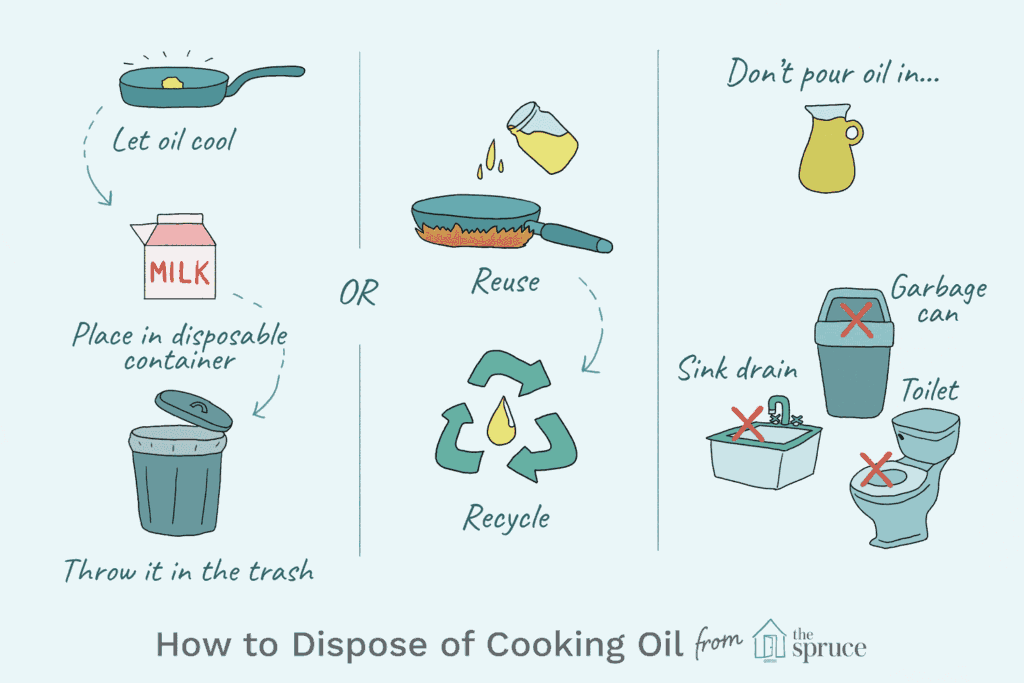
As we continue to cook and experiment with new recipes, it’s easy to get into the habit of disposing of exhausted cooking oil down the drain or in the trash. However, this simple action can have devastating consequences on our environment, health, and biodiversity. In this article, we’ll explore the importance of proper disposal and provide you with creative ways to reuse your exhausted cooking oil.
Why Proper Disposal Matters
When we dispose of exhausted cooking oil down the drain or in the trash, it can contaminate soil, groundwater, and marine life. The oil does not dilute in water, making it a persistent pollutant that can cause long-term damage to ecosystems. Moreover, improper disposal can also have negative impacts on human health, as contaminated food and water sources can lead to various illnesses.
The Right Way to Dispose of Exhausted Cooking Oil
If you’re unable to reuse your exhausted cooking oil, it’s essential to dispose of it properly in designated eco-friendly facilities. These specialized areas can process the oil and convert it into valuable byproducts, such as biofuels, soap, or other industrial products.
The Environmental Impact of Improper Disposal
Improper disposal of exhausted cooking oil can lead to a range of environmental issues, including:
- Water Pollution: Exhausted cooking oil can contaminate water sources, posing risks to aquatic life and human health.
- Soil Contamination: The oil can seep into the soil, causing long-term damage to ecosystems and affecting plant growth.
- Air Pollution: When exhausted cooking oil is burned or incinerated improperly, it can release toxic fumes into the air, contributing to air pollution.
Creative Ways to Reuse Exhausted Cooking Oil
Don’t let your exhausted cooking oil go to waste! Here are some innovative ways to repurpose it:
- Frying New Dishes: Filter the oil to remove any food residue and use it for frying new ingredients. This will ensure that your food is cooked in a healthy, eco-friendly manner.
- Snow Shovel Lubricant: Mix the oil with water or other lubricants to create a snow shovel lubricant. This can help prevent snow from sticking to your shovel and make winter chores more manageable.
- Alternative Fuel Source: Convert your exhausted cooking oil into biodiesel, which is a clean-burning fuel that can power vehicles and generators.
- Animal Feed: Mix the oil with other ingredients to create a nutritious animal feed supplement. This can help reduce food waste and support local agriculture.
- Soap and Cosmetics: Use the oil as a base for homemade soap or cosmetics, such as lotions and creams.
How to Clean and Purify Exhausted Cooking Oil
Before reusing your exhausted cooking oil, it’s essential to clean and purify it. Here’s a step-by-step guide:
- Check the Oil Type: Ensure that the oil is pure vegetable oil or canola oil, as these are safer for reuse.
- Filter the Oil: Strain the oil through a coffee filter or cheesecloth to remove any food residue and impurities.
- Add Water: Mix equal parts of water and oil in a heat-resistant container.
- Heat and Separate: Heat the mixture over low heat, stirring occasionally, until the oil separates from the water.
- Concentrate the Oil: Allow the oil to cool and solidify, then skim off any impurities.
Benefits of Reusing Exhausted Cooking Oil
Reusing exhausted cooking oil can have numerous benefits for the environment and our health, including:
- Reducing Waste: By reusing exhausted cooking oil, we can significantly reduce the amount of waste sent to landfills.
- Conserving Resources: Repurposing oil can help conserve natural resources, such as petroleum, and reduce our reliance on non-renewable energy sources.
- Improving Health: Reused cooking oil can be a healthier alternative to industrially produced oils, which may contain additives and preservatives.
Conclusion
Exhausted cooking oil is a valuable resource that can be repurposed in various ways. By understanding the importance of proper disposal and creative reuse methods, we can reduce our environmental footprint and contribute to a more sustainable future.
Frequently Asked Questions (FAQs)
- Q: Can I dispose of exhausted cooking oil down the drain?
- No, it’s essential to dispose of exhausted cooking oil properly in designated eco-friendly facilities or through creative reuse methods.
- Q: How do I clean and purify exhausted cooking oil?
- Follow the steps outlined in this article to filter, mix with water, heat, separate, and concentrate the oil.
- Q: Can I use exhausted cooking oil for frying new dishes?
- Yes, filtered and purified exhausted cooking oil can be used for frying new ingredients, but ensure that it’s free from food residue and impurities.
- Q: What are some creative ways to reuse exhausted cooking oil?
- Explore the various methods mentioned in this article, including using it as a lubricant, fuel source, animal feed supplement, or base for homemade soap and cosmetics.
By embracing sustainable practices and repurposing exhausted cooking oil, we can work together towards creating a greener future.


