
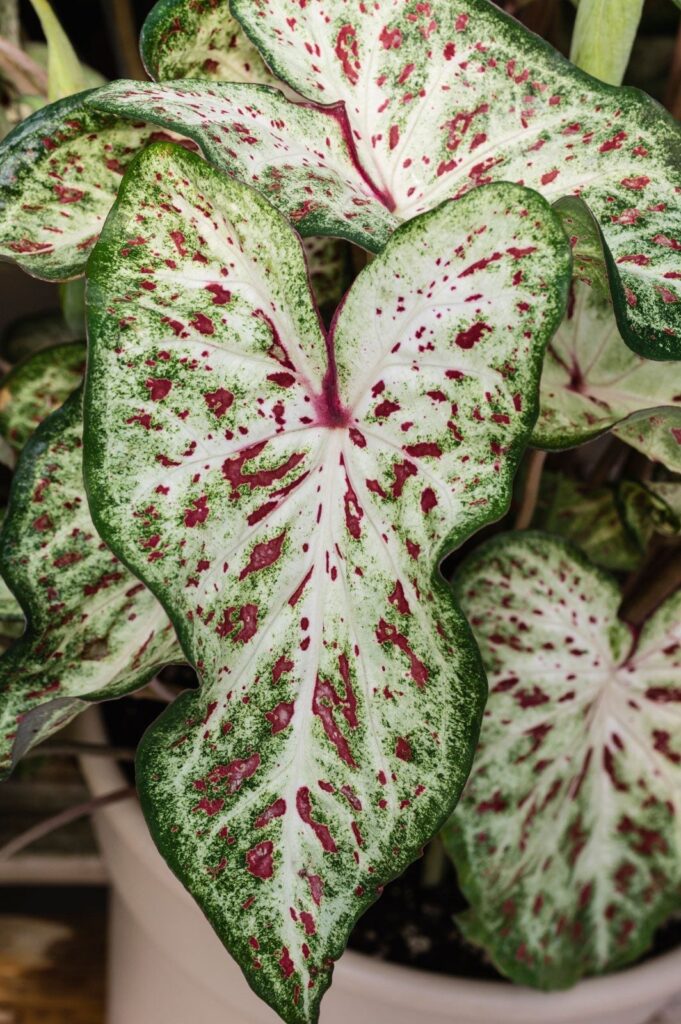
As the winter months approach, our gardens become dormant, but that doesn’t mean we can’t bring a touch of greenery indoors. Ornamental houseplants are an excellent way to add some elegance to your home, and there are many varieties to choose from. In this article, we’ll explore three popular ornamental houseplants: Amaryllis, Kentia, and Ecmea.
The Amaryllis: A Winter Wonder
Amaryllis is a bulbous plant that thrives during the winter months, producing large, showy flowers in shades of red, pink, orange, and bi-colored. These plants can grow up to 40-60 cm tall and require minimal care, making them an ideal choice for indoor spaces. However, it’s essential to keep Amaryllis in a warm, dry environment, as they are sensitive to moisture.
Amaryllis is also known for its ability to bloom multiple times a year, making it a popular choice for indoor gardening. The plants require a period of cooler temperatures (around 10°C) followed by a brief warm spell (around 15°C) to induce flowering. This process can be repeated every few months to encourage continuous blooming.
The Kentia: A Tropical Treat
Kentia is another popular ornamental houseplant that originates from the Pacific Islands. There are two main species: Howeria belmoreana and Howeria fosteriana. Both varieties share similar characteristics, including a rigid stem and long, narrow leaves with an acuminated tip.
The Kentia plant prefers bright, indirect light and high humidity, making it an ideal choice for bathrooms or kitchens. It’s also relatively low-maintenance, requiring only occasional watering and fertilization. However, the plant can grow quite tall (up to 2 meters) and may need pruning to maintain its shape.
The Ecmea: A Unique Addition
Ecmea is a widely recognized ornamental houseplant known for its striking green leaves with white stripes. The leaves are arranged in a rosette pattern, creating a beautiful display of foliage. At the center of the plant stands a tall stem topped with purple flowers and spathe.
The Ecmea plant prefers bright, indirect light and moderate watering, making it an excellent choice for indoor spaces. It’s also relatively low-maintenance, requiring only occasional fertilization and pruning to maintain its shape. However, the plant can be sensitive to extreme temperatures and humidity levels, so it’s essential to provide a stable environment.
Caring for Your Ornamental Houseplants
Before bringing an ornamental houseplant into your home, consider the following guidelines:
- Provide bright, yet indirect light sources (east- or west-facing windows are ideal)
- Maintain temperatures above 15°C to prevent stress
- Water plants regularly to keep the soil moist but not waterlogged
- Avoid drafts and extreme temperature fluctuations
- Fertilize with a potash-rich liquid fertilizer once a week
Beyond Amaryllis: Exploring Other Ornamental Houseplants
If you’re interested in exploring more ornamental houseplants, consider Sanseveria, monoiche, or dioiche plants. These unique varieties offer distinct characteristics and care requirements.
- Sanseveria is a low-maintenance plant known for its striking, upright leaves with pointed tips.
- Monoiche and dioiche are two popular species of Philodendron, which can be trained to climb up trellises or left to trail down.
- Peperomia is a small, compact plant that thrives in bright, indirect light and high humidity.
Propagation Techniques
Ornamental houseplants can be propagated through division, leaf cuttings, or seed. However, this process may vary depending on the specific plant species.
- Division involves separating the roots of a mature plant to create new plants.
- Leaf cuttings involve taking small sections of leaves from a mature plant and rooting them in a potting mix.
- Seed propagation involves planting seeds in a potting mix and providing optimal conditions for germination and growth.
Common Problems
Ornamental houseplants can be susceptible to various problems, including:
- Overwatering: causes root rot, yellowing leaves, and stunted growth
- Underwatering: causes wilted leaves, dry soil, and reduced blooming
- Pests: such as spider mites, mealybugs, and scale insects, which can cause damage to the plant’s leaves and stems
Repotting Your Ornamental Houseplant
Repotting your plant every 1-2 years can help maintain its health and vigor. Choose a pot that is only slightly larger than the original one and use fresh, well-draining soil.
When repotting, it’s essential to handle the roots gently to avoid damaging them. If you’re unsure about repotting, consider consulting with a local nursery or gardening expert for guidance.
Frequently Asked Questions
- What is the best way to propagate ornamental houseplants?
Ornamental houseplants can be propagated through division, leaf cuttings, or seed. However, this process may vary depending on the specific plant species. - How often should I water my ornamental houseplant?
Water your plant when the top inch of soil feels dry to the touch. Avoid overwatering, as this can lead to root rot and other issues. - Can I grow ornamental houseplants outdoors during the summer?
While some ornamental houseplants can tolerate outdoor conditions, others may require protection from extreme temperatures, humidity, or direct sunlight. - How do I repot my ornamental houseplant?
Repotting your plant every 1-2 years can help maintain its health and vigor. Choose a pot that is only slightly larger than the original one and use fresh, well-draining soil. - Can I fertilize my ornamental houseplant during the winter months?
Yes, you can fertilize your plant during the winter months, but use a balanced fertilizer at half the recommended strength to avoid burning the roots. - How do I prune my ornamental houseplant?
Pruning helps maintain your plant’s shape and promotes healthy growth. Remove dead or damaged leaves or stems, and trim back overgrown branches to encourage new growth. - Can I propagate ornamental houseplants through air-layering?
Air-layering is a great method for propagating some ornamental houseplants. This technique involves making a small incision in the stem and wrapping it with moist sphagnum moss to stimulate root growth. - What are the differences between monoiche and dioiche plants?
Monoiche plants produce single flowers, while dioiche plants produce multiple flowers on each stem. These differences affect their care and propagation requirements.
By understanding these guidelines and FAQs, you’ll be well-equipped to care for your ornamental houseplants and enjoy their beauty for years to come.


