
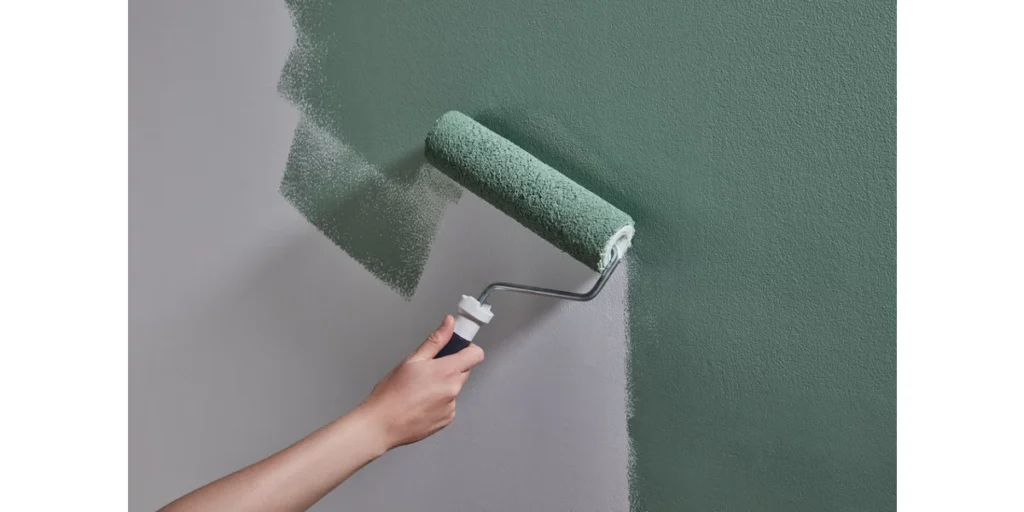
As you embark on your home improvement journey, one of the most daunting tasks can be painting a wall. But fear not! With this comprehensive guide, we’ll walk you through the process, from preparation to finishing touches.
Before You Begin: Preparing Your Space
Before you start painting, it’s essential to prepare your space for optimal results. Follow these steps:
- Move furniture: Move all furniture away from the walls and cover it with plastic sheets or drop cloths.
- Cover floors and surfaces: Protect your floors and any other surfaces that might get damaged during the painting process.
- Remove outlet covers: Take out the outlet covers to prevent paint from getting behind them.
- Wash the walls: Clean the walls thoroughly to remove dirt, grime, and grease.
Assessing Your Walls
Before you start painting, assess your walls for any damage or issues. Check for:
- Cracks in the wall: If you find any cracks, fill them with spackling compound and sand it down before painting.
- Mold or mildew: If you notice any mold or mildew, address the issue promptly to avoid any further damage.
- Water stains: Fix any water stains immediately to prevent them from spreading.
Choosing Your Paint
With your space prepared and walls assessed, it’s time to choose your paint. Consider:
- Color: Choose a color that complements your decor and personal style.
- Finish: Decide on a matte, satin, or semi-gloss finish based on your needs.
- Brand: Select a reputable brand that meets your quality standards.
Applying Primer (If Necessary)
If you’re using a dark color or covering a light color, primer may be necessary. Apply it according to the manufacturer’s instructions.
Painting Techniques
Now that you’ve prepared your space and chosen your paint, it’s time to start painting! Here are some techniques to keep in mind:
- Cut-in: Use a brush to cut in along the edges of the wall, creating a seal between the paint and the trim.
- Rolling: Use a roller to cover large areas quickly and evenly.
- Painting in sections: Divide your wall into sections and paint one section at a time.
Additional Tips
Here are some additional tips to keep in mind:
- Work from top to bottom: Start painting from the top of the wall and work your way down to prevent drips and stains.
- Use a level: Ensure your walls are straight and level before applying paint.
- Clean up as you go: Clean your brushes and rollers regularly to avoid paint buildup.
Common Mistakes to Avoid
Here are some common mistakes to avoid when painting:
- Using the wrong brush or roller: Choose a brush or roller that’s suitable for your specific painting needs.
- Not priming: Primer can help ensure a smooth, even finish and improve adhesion.
- Painting over wet areas: Allow any wet areas to dry completely before applying paint.
Tips for Painting Trim and Molding
Painting trim and molding requires some extra care. Here are some tips to keep in mind:
- Use a brush: Paint trim and molding with a high-quality brush that’s specifically designed for the task.
- Cut-in carefully: Cut in along the edges of the trim and molding, creating a seal between the paint and the surface.
- Apply multiple coats: Apply multiple thin coats of paint to ensure a smooth finish.
Tips for Painting Ceilings
Painting ceilings requires some extra consideration. Here are some tips to keep in mind:
- Use a roller extension pole: Use a roller extension pole to reach high areas without using a ladder.
- Apply multiple thin coats: Apply multiple thin coats of paint to ensure a smooth finish.
- Don’t overload the roller: Don’t overload the roller with too much paint, as this can cause drips and uneven coverage.
Drying Times
Paint takes time to dry. Here are some general guidelines for drying times:
- First coat: Allow the first coat of paint to dry completely before applying additional coats.
- Second coat: Apply a second coat after 30 minutes to an hour, depending on the type of paint used.
- Final coat: Allow the final coat to dry completely before touching or moving furniture.
Cleaning Up
After you’ve finished painting, it’s time to clean up! Here are some tips to keep in mind:
- Use soap and water: Use mild soap and warm water to clean your brushes and rollers.
- Dispose of rags properly: Dispose of rags properly by wrapping them in a plastic bag and throwing them away.
Safety Precautions
Painting can be hazardous if you don’t take the necessary safety precautions. Here are some tips to keep in mind:
- Wear protective gear: Wear old clothes, gloves, and goggles to protect yourself from paint stains.
- Work in a well-ventilated area: Work in a well-ventilated area to avoid inhaling fumes from paint.
- Avoid eating or drinking: Avoid eating or drinking while painting, as this can lead to accidents.
Tips for Saving Time
Here are some tips to help you save time when painting:
- Use a paint with a built-in primer: Use a paint with a built-in primer to reduce the number of coats needed.
- Paint in sections: Paint in sections to avoid having to paint the entire wall at once.
- Use a paint sprayer: Use a paint sprayer to cover large areas quickly and evenly.
Budgeting for Painting
Painting can be expensive, but there are ways to save money! Here are some tips to keep in mind:
- Buy paint in bulk: Buy paint in bulk to reduce the cost per gallon.
- Use a discount code: Use a discount code or coupon to get a discount on your paint purchase.
- Shop around: Shop around for paint prices to find the best deal.
When to Paint
Painting is a seasonal activity, but there are times when it’s more convenient than others. Here are some tips to keep in mind:
- Spring and fall: These seasons are ideal for painting, as the weather is mild and there’s less humidity.
- Avoid painting in extreme heat or cold: Avoid painting in extreme heat or cold, as this can affect the drying time of the paint.
Tips for Painting with Pets
If you have pets, it’s essential to consider their safety when painting. Here are some tips to keep in mind:
- Keep your pets away: Keep your pets away from the painting area to avoid getting paint on them.
- Use a pet-friendly cleaner: Use a pet-friendly cleaner to clean up any spills or accidents.
- Consider using a non-toxic paint: Consider using a non-toxic paint that’s safe for your pets.
Tips for Painting with Children
If you have children, it’s essential to consider their safety and supervision when painting. Here are some tips to keep in mind:
- Supervise them closely: Supervise children closely when they’re near the painting area.
- Use kid-friendly paint: Use kid-friendly paint that’s safe for children to handle.
- Teach them about painting: Teach children about painting and the importance of safety.
Conclusion
Painting a wall can seem daunting, but with these tips and tricks, you’ll be well on your way to creating a beautiful and professional-looking finish. Remember to prepare your space, assess your walls, choose your paint, apply primer if necessary, and follow these additional tips for painting techniques, safety precautions, and budgeting for painting.
Whether you’re a seasoned DIY expert or a beginner, we hope this guide has provided you with the information and inspiration you need to tackle your next painting project. Happy painting!


