
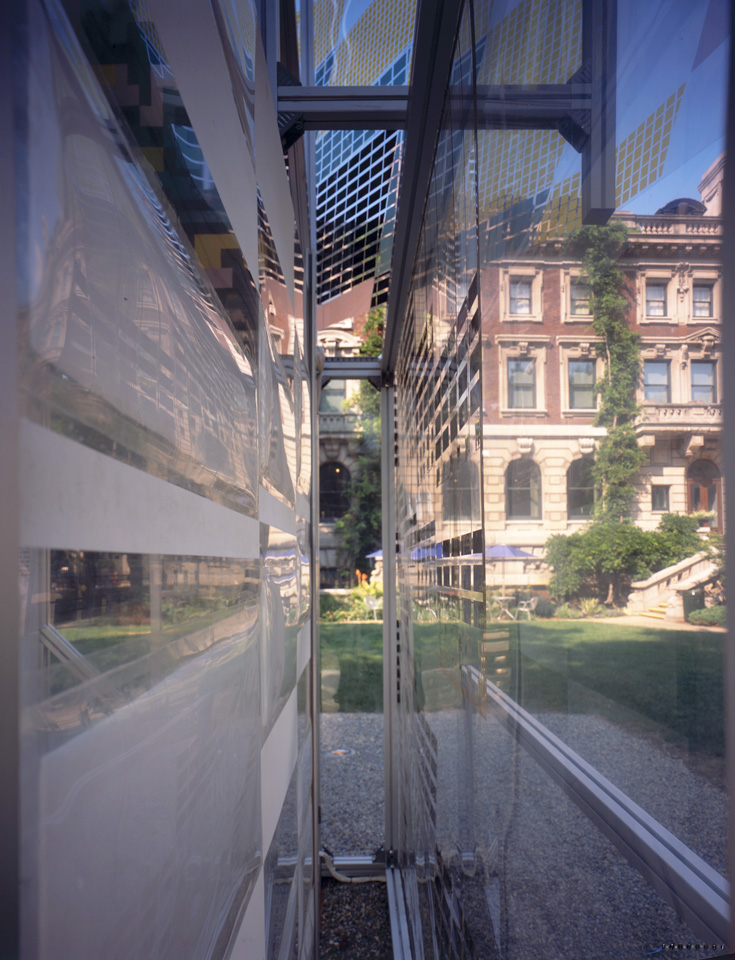
As architects and builders strive to optimize energy efficiency in buildings, transparent enclosure systems have become an essential component. This type of system can harness solar radiation both for natural illumination and thermal management. However, it poses several challenges, including overheating and noise pollution. In this article, we’ll delve into the characteristics, benefits, and drawbacks of transparent enclosure systems, as well as explore the materials used in their installation.
Characteristics of Transparent Enclosure Systems
Transparent enclosure systems are designed to provide optimal thermal insulation while allowing natural light to enter buildings. These systems consist of a series of glazing units that are carefully engineered to minimize heat transfer and maximize energy efficiency. The key characteristics of transparent enclosure systems include:
- Transparency: The ability to allow natural light to enter the building.
- Thermal Insulation: The capacity to reduce heat transfer between the inside and outside environments.
- Structural Integrity: The strength and stability of the system to support its own weight and external loads.
Dispersion of Thermal Energy
Transparent enclosure systems play a crucial role in managing thermal energy within buildings. By minimizing heat transfer, these systems can help reduce energy consumption and minimize greenhouse gas emissions. However, they also pose challenges related to overheating during summer months. To address this issue, designers and builders use various strategies, including:
- Shading Devices: Devices that block direct sunlight from entering the building.
- Solar Control Films: Specialized films that absorb or reflect solar radiation, reducing heat gain.
- Ventilation Systems: Air circulation systems that help regulate indoor temperatures.
Materials Used in Transparent Enclosure Systems
The materials used in transparent enclosure systems vary widely depending on their specific applications and requirements. Some of the most common materials include:
- Single-Glazed Units: Traditional glazing units consisting of two panes of glass separated by a gap.
- Double-Glazed Units: Glazing units featuring two layers of glass, providing improved thermal insulation.
- Triple-Glazed Units: Advanced glazing units with three layers of glass, offering enhanced energy efficiency.
- Low-E Coatings: Specialized coatings that reduce heat transfer by reflecting solar radiation.
- Solar Control Films: Thin films applied to glazing units to manage solar radiation.
Case Study: Transparent Enclosure System for Energy Efficiency
A recent project demonstrates the effectiveness of transparent enclosure systems in reducing energy consumption. The system consisted of double-glazed units with low-E coatings, strategically placed to maximize natural light while minimizing heat gain during summer months. By integrating shading devices and ventilation systems, the building’s energy efficiency was significantly improved, resulting in substantial cost savings.
Benefits of Transparent Enclosure Systems
Transparent enclosure systems offer numerous benefits for buildings, including:
- Energy Efficiency: Reduced heat transfer leads to lower energy consumption.
- Thermal Comfort: Regulated indoor temperatures ensure occupant comfort.
- Natural Light: Enhanced natural light improves occupant well-being and productivity.
- Aesthetic Appeal: Transparent enclosure systems can provide an attractive visual experience.
Challenges Associated with Transparent Enclosure Systems
While transparent enclosure systems offer numerous benefits, they also pose several challenges, including:
- Overheating: Insufficient thermal insulation during summer months can lead to overheating.
- Noise Pollution: External noise can enter the building through gaps in the glazing units.
- Maintenance Requirements: Transparent enclosure systems require regular maintenance to ensure optimal performance.
Designing and Installing Transparent Enclosure Systems
To design and install effective transparent enclosure systems, designers and builders should consider the following best practices:
- Site Analysis: Conduct thorough site analyses to determine the building’s orientation, climate, and wind patterns.
- Glazing Unit Selection: Choose glazing units that meet specific performance criteria, such as thermal insulation and solar radiation management.
- Shading Device Integration: Incorporate shading devices strategically to minimize direct sunlight during summer months.
- Ventilation System Design: Design ventilation systems to regulate indoor temperatures and maintain occupant comfort.
Conclusion
Transparent enclosure systems are a crucial component in modern building design, offering numerous benefits for energy efficiency and thermal comfort. However, they also pose challenges related to overheating and noise pollution. By understanding their characteristics, dispersion of thermal energy, and materials used, designers and builders can create effective solutions that balance these competing demands.
FAQs
- What is the primary purpose of a transparent enclosure system?
- To provide natural light while minimizing heat transfer.
- How do shading devices contribute to reducing overheating during summer months?
- By blocking direct sunlight from entering the building.
- What role do solar control films play in managing thermal energy within buildings?
- They absorb or reflect solar radiation, reducing heat gain.
- Which materials are commonly used in transparent enclosure systems?
- Single-glazed units, double-glazed units, triple-glazed units, low-E coatings, and solar control films.
- What is the benefit of integrating ventilation systems with transparent enclosure systems?
- Improved indoor air quality and reduced energy consumption.
- How can designers and builders ensure optimal thermal insulation in transparent enclosure systems?
- By selecting materials with high thermal performance and incorporating shading devices.
- What is the difference between single-glazed units and double-glazed units?
- Double-glazed units feature two layers of glass, providing improved thermal insulation.
- How can transparent enclosure systems be designed to balance natural light and heat gain during summer months?
- By strategically placing glazing units and integrating shading devices and ventilation systems.


