
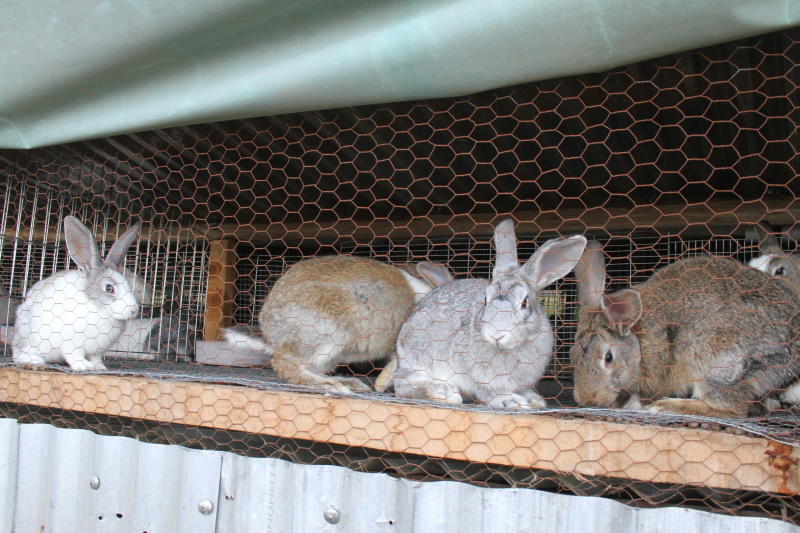
Are you considering starting a rabbitry as part of your agriturismo or agricultural business? Or perhaps you’re a family looking to start a small-scale rabbitry for personal consumption. Either way, you’ve come to the right place! In this article, we’ll delve into the world of rabbitry, covering everything from choosing the right equipment to ensuring the health and well-being of your furry friends.
Setting Up Your Rabbitry
Before you begin, it’s essential to understand the basics of setting up a rabbitry. This includes providing a suitable enclosure that meets the rabbits’ physical and emotional needs. You’ll want to choose a box or cage that is spacious enough for the rabbits to move around comfortably, with adequate ventilation and easy cleaning.
When selecting a box, consider the following factors:
- Size: A minimum of 150 x 100 cm in size, with an additional 30 cm of height to ensure your rabbits have enough room to stretch out.
- Material: Opt for durable materials that can withstand regular cleaning and maintenance.
- Ventilation: Ensure good airflow within the enclosure to prevent respiratory problems.
Nutrition and Diet
A well-balanced diet is crucial for maintaining the health and well-being of your rabbits. The nutritional needs of rabbits vary depending on their age, sex, and stage of development.
Here are some general guidelines for providing a balanced diet:
- Spring and Summer: Offer fresh greens like lettuce, spinach, and kale, as well as fruits like berries and melons.
- Fall and Winter: Provide hay, pellets, and dried fruits to ensure your rabbits receive the necessary nutrients during periods of reduced availability.
Some important considerations when feeding your rabbits include:
- Gradually introducing new foods to prevent digestive upset
- Ensuring access to fresh water at all times
Breeding and Reproduction
Rabbits are prolific breeders, and with proper care and attention, they can produce multiple litters throughout the year. However, it’s essential to understand the process of breeding and reproduction to ensure you’re providing optimal conditions for your rabbits.
Here are some key facts about rabbit breeding:
- Rabbits can become pregnant again while still nursing, which is known as “fetal resorption.”
- A false pregnancy (pseudo-pregnancy) can occur when a doe fails to implant the fertilized eggs or when she does not respond to the presence of the embryos.
- Prolonged pregnancies can result in fetal loss, so it’s crucial to monitor your rabbits’ health and well-being closely during this period.
Tips for Raising Healthy Rabbits
To ensure your rabbits grow up healthy and strong, follow these essential tips:
- Provide regular exercise and playtime outside of their enclosures.
- Ensure proper sanitation and hygiene practices within the rabbitry.
- Offer a balanced diet that meets your rabbits’ nutritional needs.
By following these guidelines, you’ll be well on your way to establishing a thriving rabbitry that produces happy, healthy, and productive rabbits.
Frequently Asked Questions
Here are some common questions about starting a rabbitry:
Q: Can I raise rabbits in small spaces?
A: While it’s possible to keep rabbits in smaller enclosures, they require sufficient space to move around comfortably. Aim for at least 150 x 100 cm of floor space per pair of rabbits.
Q: How often should I clean the rabbit enclosure?
A: Regular cleaning is essential to maintain the health and well-being of your rabbits. Aim for daily cleaning sessions, focusing on removing soiled bedding and disinfecting surfaces.
Q: What’s the best way to handle stressed or frightened rabbits?
A: When handling stressed or frightened rabbits, approach them calmly and slowly, using gentle movements and soothing voices. If necessary, consult with a veterinarian or experienced rabbit breeder for guidance.
Q: Can I raise rabbits as pets in addition to breeding them?
A: Absolutely! Many people keep rabbits as pets while also raising them for meat production. However, it’s crucial to understand the needs of both your pet and your breeding stock.
Q: Are there any specific laws or regulations governing rabbitry?
A: Yes, check with local authorities regarding specific regulations on animal husbandry and welfare. Additionally, be aware of national and international guidelines regarding animal health and biosecurity.
Q: What’s the most common cause of mortality in rabbits?
A: Common causes include disease, poor nutrition, inadequate shelter, and genetic defects.
Additional Considerations
In addition to providing a suitable environment and balanced diet, there are several other factors to consider when starting a rabbitry:
- Disease prevention: Regularly monitor your rabbits for signs of illness or disease, and take prompt action if you notice any issues.
- Socialization: Rabbits are social animals and require regular interaction with humans and other rabbits. Ensure they have adequate socialization opportunities to prevent stress and behavioral problems.
- Record keeping: Keep detailed records of your rabbits’ births, deaths, vaccinations, and medical treatments to ensure accurate tracking of their health and well-being.
By addressing these considerations and following our comprehensive guide, you’ll be well-equipped to establish a successful rabbitry that produces happy, healthy, and productive rabbits.


