
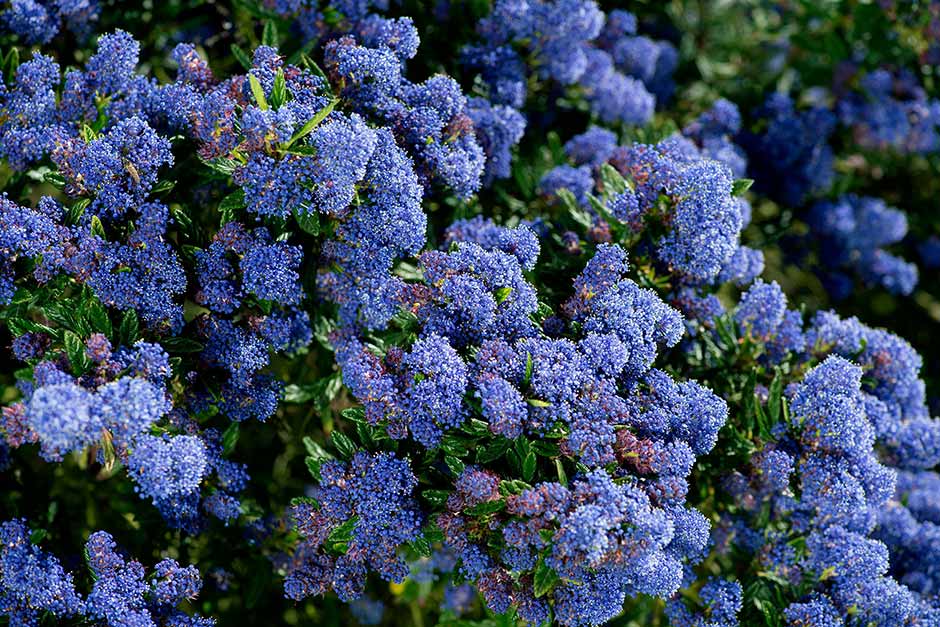
Are you familiar with the Lillà della California? This lovely plant is also known as Ceanothus, a popular ornamental shrub that’s easy to grow and maintain. With its beautiful, blue-purple flowers and lush foliage, it’s no wonder why this plant has captured the hearts of many gardeners.
In this comprehensive guide, we’ll delve into the world of Ceanothus, exploring its characteristics, growth habits, care requirements, and potential issues. Whether you’re a seasoned gardener or just starting out, this article will provide you with the knowledge you need to grow and enjoy your very own Ceanothus plant.
Ceanothus: A Brief Overview
Ceanothus belongs to the Rhamnaceae family, which includes other shrubs native to North America. This versatile plant can be found in various forms, ranging from evergreen to deciduous varieties. The most common species used in landscaping are Ceanothus arboreus and Ceanothus tyrsiflorus.
Characteristics of Ceanothus
This shrub is known for its distinctive features:
- Tappezzante growth habit: Ceanothus grows with a sprawling, tapestry-like structure, covering the surrounding area.
- Oval-shaped leaves: The plant’s leaves are oval and feature a high number of venation, giving them a beautiful, intricate appearance.
- Dark green foliage: The underside of the leaves is glossy, while the top surface can be dull or matte.
- Blue-purple flowers: In spring and summer, Ceanothus produces clusters of small, delicate flowers that are a vibrant blue-purple color.
Ceanothus: Growing Requirements
To grow a healthy and thriving Ceanothus plant:
- Choose the right soil: A well-draining, non-calcareous soil rich in organic matter is ideal.
- Select a sunny location: Ceanothus requires full sun to partial shade, depending on the variety.
- Avoid extreme temperatures: Be cautious of frost damage and avoid exposing the plant to harsh winds.
Ceanothus: Fertilization
To promote healthy growth and blooming:
- Use nitrogen-rich fertilizers: Feed your Ceanothus with a balanced fertilizer (N-P-K) in the spring and summer months.
- Avoid over-fertilizing: Be cautious not to over-fertilize, as this can lead to weak growth and reduced flowering.
Ceanothus: Watering
Proper watering is essential:
- Water regularly: Keep the soil consistently moist but avoid waterlogging.
- Monitor moisture levels: Check the soil daily to determine if it needs watering.
Ceanothus: Pruning
Pruning can help maintain your plant’s shape and promote healthy growth:
- Trim dead branches: Remove any dead or damaged branches in late winter or early spring.
- Shape the plant: Use pruning shears to maintain the desired shape, particularly for young plants.
Ceanothus: Propagation
To multiply your Ceanothus plant:
- Sow seeds: Plant seeds indoors 6-8 weeks before the last frost date in your area. Transplant seedlings outside when they are about 6 inches tall.
- Take cuttings: Prune a section of stem with at least two nodes, remove lower leaves, and plant in a moist medium.
Common Issues
Ceanothus is generally pest- and disease-free but may be susceptible to:
- Root rot: Caused by overwatering or poor drainage.
- Chlorosis: Resulting from a lack of iron and magnesium.
Conclusion
Growing a Ceanothus plant can be a rewarding experience, provided you understand its needs and requirements. With proper care and attention, your shrub will thrive, providing beautiful flowers and lush foliage for years to come.
Frequently Asked Questions:
- What is the best time to plant Ceanothus?
- The ideal time to plant Ceanothus depends on your location. In general, spring and early summer are good times to plant.
- Can I grow Ceanothus in partial shade?
- While Ceanothus prefers full sun, it can tolerate partial shade. However, be aware that flowering may not be as profuse.
- How often should I fertilize my Ceanothus?
- Fertilize your Ceanothus in the spring and summer months with a balanced fertilizer (N-P-K).
- What is the best way to prune Ceanothus?
- Prune dead or damaged branches, and use pruning shears to maintain the desired shape.
- Can I propagate Ceanothus using seeds?
- Yes, you can sow seeds indoors 6-8 weeks before the last frost date in your area. Transplant seedlings outside when they are about 6 inches tall.
Additional Resources:


