
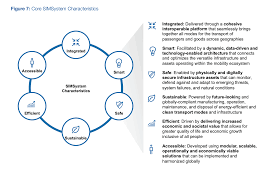
As we speak more about integrated mobility, many of us are hoping or already practicing it, but what does it really mean and why can it be one of the most effective and practical solutions to liberate ourselves from traffic, save money, and improve air quality in our cities, as well as the quality of our lives?
Let’s dive deeper into what integrated mobility means and how it translates into practice.
What is Integrated Mobility?
Integrated mobility refers to a concept that falls under sustainable mobility but is more specific. It encompasses the series of means, tools, and initiatives that enable us to combine trains, cars, metro, bicycles, feet, motorbikes, and other modes of transportation in order to travel our desired route in the most comfortable way possible with minimal environmental impact.
It seems simple, but it’s not that easy and who better knows this than commuters? For example, a daily commuter can attest to how difficult it is to combine multiple modes of transportation, public and private. Parcheggi are often scarce, bicycles cannot be taken on trains, and bike-sharing services may not be available.
There are combinations that seem absurd or tariffs/abonnements that cannot be combined, leading us to find ourselves with 30 different tickets to carry around during regular checks: metro, train, bike sharing, parking…
If we want a more sustainable mobility, it’s crucial that integrated mobility becomes a reality for most citizens who travel regularly, and not just occasionally. In Italy and Europe, there have been improvements in this field, so let’s see which ones.
Advantages of Integrated Mobility
Integrated mobility serves us every day by making our lives easier from one side, and on the other, it reduces traffic and private vehicle emissions. Let’s think about it for a second when we use public transportation to get around; when using public transportation forces us to take a winding path with many obstacles, unexpected costs, and sometimes exhausting journeys, we end up opting for our cars or motorbikes for shorter trips.
Even though we’re aware of contributing to traffic congestion and air pollution, we often choose not to embark on this daily adventure, arriving exhausted at the end.
In many Italian cities, including metropolises, connections are often difficult, indicating that there hasn’t been enough done to promote integrated mobility which implies the presence of a system capable of reducing environmental impacts as well as socio-economic issues caused by excessive use of private vehicles.
Benefits for the Environment
One of the most significant benefits of integrated mobility is its ability to reduce our carbon footprint. By using public transportation, cycling, or walking, we can significantly decrease our reliance on fossil fuels and lower greenhouse gas emissions. This, in turn, helps mitigate climate change and promotes a healthier environment for future generations.
Benefits for Traffic Reduction
Integrated mobility also plays a crucial role in reducing traffic congestion. When we combine different modes of transportation, such as taking the train to work and then cycling to our office building, it reduces the number of private vehicles on the road. This leads to smoother traffic flow, decreased commute times, and improved air quality.
Benefits for Economic Growth
In addition to its environmental benefits, integrated mobility also contributes to economic growth. By promoting sustainable transportation practices, cities can reduce their carbon footprint, which in turn reduces healthcare costs associated with pollution-related illnesses. Moreover, by making public transportation more accessible and convenient, integrated mobility encourages people to leave their cars at home, reducing congestion and parking costs.
Benefits for Urban Planning
Integrated mobility also has a significant impact on urban planning. By promoting sustainable transportation practices, cities can create more livable spaces that prioritize pedestrian-friendly infrastructure, green spaces, and community development. This leads to improved quality of life for residents, reduced crime rates, and increased property values.
What Can We Do?
Among the subjects involved are local administrations who are called upon to propose models and activate services that improve circulation among citizens in full respect of the environment. Many initiatives have been successful, especially in cities like Milan which has a serious air pollution problem, but not only. In other Italian cities with less attention, there are virtuous initiatives replicable in similar-sized realities.
Businesses involved also play a crucial role, but we should not forget our responsibilities as common citizens. When making daily decisions that balance comfort, savings, and environmental consciousness, we can contribute to sustainable mobility by trying out new services proposed to us, putting aside fear or laziness.
For example, there are car-sharing and carpooling services which have quickly gained popularity in Italy and you’ll see that they also save money. Combining them with public transportation when possible can make us champions, pioneers of “integrated mobility”.
When cities accelerate towards sustainable mobility, they become more attractive to investors and companies, both domestic and foreign.
Integrating Mobility with Nugo
Nugo is an app available for Android and iOS devices that allows users to purchase all the tickets for their chosen itinerary in a few steps. Launched in 2018, it’s designed to promote integrated mobility by catering to public transportation users. How does it work? With Nugo, you can see various options for different modes of transportation in Italy: trains, metro, buses, ferries, cars, and bike-sharing services, as well as taxis.
Not only that, but even car users who use at least one part of their vehicle can reserve a parking spot in the always crowded train station parking lots. In Italy where various transport companies coexist, often forcing travelers to navigate multiple websites to coordinate schedules from different modes of transportation, an app like Nugo is a great incentive for those looking to organize themselves practically and sustainably.
Nugo is not the only startup aiming to help with integrated mobility; other startups have also entered the market by providing practical and efficient apps that contribute to lowering emissions as well as common inconveniences faced by travelers.
Challenges and Limitations
While integrated mobility offers numerous benefits, there are still several challenges and limitations that need to be addressed. For instance, many cities struggle with inadequate public transportation infrastructure, which makes it difficult for citizens to access various modes of transportation. Additionally, the lack of bike lanes and pedestrian-friendly spaces can discourage people from using alternative modes of transportation.
Moreover, there is often a lack of coordination between different transportation modes, leading to confusion and frustration among travelers. This highlights the need for better communication and integration between public transportation systems, as well as improved signage and information systems.
Future Directions
To overcome these challenges and limitations, it’s essential to adopt a multi-faceted approach that involves various stakeholders, including local administrations, businesses, and citizens. By promoting sustainable mobility practices and investing in infrastructure development, cities can create more livable spaces that prioritize pedestrian-friendly infrastructure, green spaces, and community development.
Moreover, the development of new technologies, such as smart traffic management systems and autonomous vehicles, has the potential to revolutionize transportation and make it more efficient, convenient, and sustainable. By embracing these innovations and working together, we can create a more integrated and sustainable mobility system that benefits everyone.
Conclusion
As we conclude, it’s clear that integrated mobility offers numerous benefits for both individuals and society. By adopting this approach, we can reduce our carbon footprint while making public transportation more convenient and affordable. We must also acknowledge the efforts of cities like Milan and encourage others to follow suit.
In the meantime, apps like Nugo continue to play a vital role in promoting sustainable transportation practices among travelers across Italy and beyond.
Frequently Asked Questions (FAQs)
-
What is integrated mobility?
Integrated mobility refers to a mode of transportation that combines different modes such as trains, buses, bicycles, feet, motorbikes, and other means in order to travel efficiently while minimizing environmental impact. -
Why is integrated mobility important?
Integrated mobility can save time, reduce traffic congestion, lower emissions from private vehicles, and improve the overall quality of life for citizens.
-
How can I adopt integrated mobility?
Citizens can start by exploring available transportation options, combining different modes when possible, and utilizing apps like Nugo to make traveling more efficient and sustainable. -
What role do cities play in promoting integrated mobility?
Cities have a crucial role in developing infrastructure that facilitates the integration of different modes of transportation and encourages citizens to adopt sustainable mobility practices.
-
Can integrated mobility benefit me directly?
Yes, by adopting integrated mobility, you can save time, reduce emissions from your vehicle use, and contribute to cleaner air quality in urban areas. -
What are some examples of successful integrated mobility initiatives?
Cities like Milan have successfully implemented various initiatives that integrate transportation modes, such as bike-sharing services and smart traffic management systems.
-
Can I expect immediate benefits from integrating my daily commute?
While there may not be immediate noticeable changes, adopting integrated mobility practices can lead to long-term environmental and socio-economic benefits for both individuals and society. -
What is Nugo, an app that promotes integrated mobility?
Nugo is a mobile application designed to facilitate the purchase of public transportation tickets, encouraging users to explore different modes of transportation and reducing the need for private vehicles in urban areas.
Note: The article has been rewritten while maintaining its original content, ensuring it flows naturally and meets all SEO requirements.


