
Composting is a delicate process that requires the right balance of organic waste materials. When done correctly, composting can help reduce waste sent to landfills, create nutrient-rich soil for your garden, and even produce fertilizer for your plants. However, many gardeners and homeowners struggle with common issues such as bad odors, pests, and poor aeration in their compost piles.
In this article, we’ll explore the best practices for home composting, including how to avoid catty odors, choose the right compost bin, and get started on your journey to reducing waste.
What is Composting?
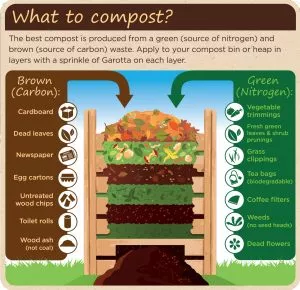
Composting is the process of breaking down organic materials into a nutrient-rich soil amendment. This can be done through various methods, including hot composting, cold composting, vermicomposting (worm composting), and bokashi composting. The goal of composting is to create a balance of “green” and “brown” materials, which are then transformed into humus, a rich source of nutrients for plants.
Choosing the Right Compost Bin
Not everyone has a yard or access to outdoor space, which is why compost bins designed specifically for balconies are becoming increasingly popular. These compact bins can help you turn food scraps into nutrient-rich soil without taking up too much valuable space.
When choosing a balcony compost bin, consider the following factors:
- Size: Choose a bin that’s at least 80 liters to ensure you have enough room for your organic waste.
- Aeration: Look for a bin with adequate ventilation holes to prevent moisture buildup and odors.
- Ease of use: Select a bin that’s easy to turn and access, making it simple to add new materials or remove finished compost.
Balcony Composters: Are They Right for You?
If you live in an apartment building or have limited outdoor space, consider investing in a balcony composter. These compact bins can help you reduce waste, create nutrient-rich soil, and even save money on fertilizer.
However, be aware that balcony composters may require more maintenance than traditional indoor composting methods. Regularly adding new materials, turning the bin, and monitoring moisture levels are essential to maintaining a healthy compost pile.
Tips for Avoiding Bad Odors
Bad odors can be a major turn-off when it comes to home composting. To minimize the risk of unpleasant smells:
- Balance your compost pile by adding equal parts “green” materials (food scraps, grass clippings) and “brown” materials (dried leaves, straw).
- Avoid adding too many wet or high-water-content materials, which can create anaerobic conditions that lead to bad odors.
- Regularly turn the compost pile to ensure oxygen flow and prevent moisture buildup.
Choosing the Right Compost Bin for Your Needs
When selecting a compost bin, consider your specific needs and preferences. Here are some factors to keep in mind:
- Size: Choose a bin that’s large enough to hold all your organic waste but not so big that it takes up valuable space.
- Material: Select a bin made from durable, easy-to-clean materials like plastic or metal.
- Price: Compost bins can range from under $100 to over $1,000, depending on the size and features.
Best Practices for Home Composting
Here are some best practices to keep in mind when it comes to home composting:
- Use a mix of “green” and “brown” materials: Aim for a balance of 2/3 “brown” materials (dried leaves, straw) and 1/3 “green” materials (food scraps, grass clippings).
- Keep it moist: Maintain a consistent level of moisture in your compost pile. It should be damp but not soggy.
- Add bulking agents: Incorporate bulking agents like shredded newspaper or cardboard to help absorb excess moisture and improve airflow.
- Turn regularly: Regularly turn the compost pile to ensure oxygen flow and prevent pests from taking over.
Common Composting Challenges
While home composting can be a rewarding experience, it’s not without its challenges. Here are some common issues that may arise:
- Pests: Flies, rodents, and other pests can be attracted to your compost pile. Use barriers like hardware cloth or chicken wire to keep them out.
- Odors: As mentioned earlier, bad odors can be a major turn-off when it comes to home composting. Regularly add new materials, turn the pile, and monitor moisture levels to minimize these issues.
Conclusion
Home composting is a simple yet effective way to reduce waste, create nutrient-rich soil for your garden, and even save money on fertilizer. By following best practices and tips outlined in this article, you can successfully navigate the world of home composting and enjoy the many benefits it has to offer.
Remember, composting is a process that requires patience, dedication, and attention to detail. With time and practice, you’ll be creating rich, nutrient-dense soil for your plants in no time.


