
Introduction
The world is facing a critical challenge – the impact of climate change on our economies. As we stand at the precipice of two degrees, it’s time to rethink our approach and explore new solutions that can help us mitigate this threat. In this article, we’ll delve into the world of sustainable energy, transportation, and innovation to understand how we can adapt to this new reality.
Understanding Two Degrees
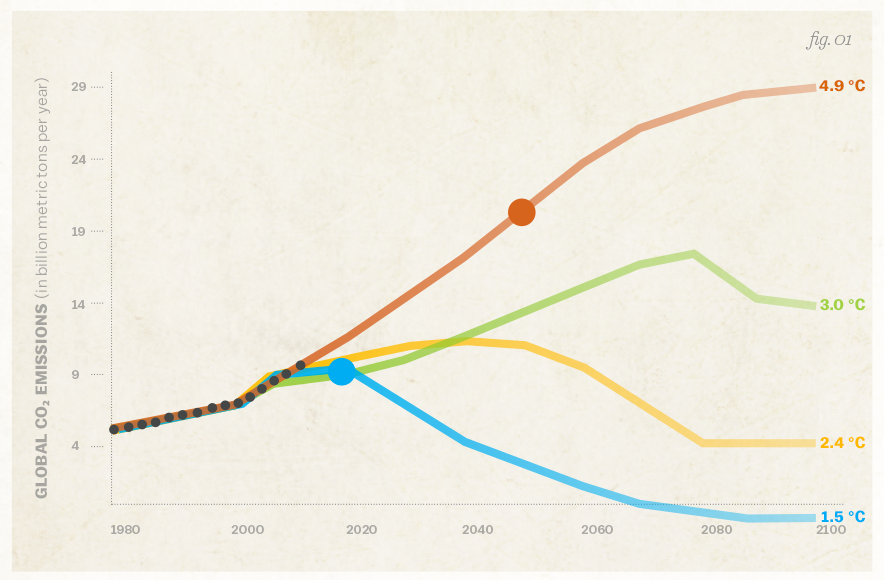
Two degrees may seem like a small change, but its impact is far-reaching. Rising temperatures will lead to more extreme weather events, droughts, and floods, resulting in devastating consequences for our economies. It’s essential that we take immediate action to reduce greenhouse gas emissions and transition to cleaner energy sources.
Climate change is already affecting various aspects of our lives, from agriculture to urban planning. The World Health Organization estimates that between 2030 and 2050, climate change will cause approximately 250,000 additional deaths per year, mainly due to malnutrition, malaria, diarrhea, and heat stress. Moreover, climate change is projected to cost the global economy up to $54 trillion by 2100.
The Impact of Climate Change on Energy
Climate change is transforming the way we produce and consume energy. Fossil fuels are becoming increasingly uneconomical, while renewable energy sources like solar and wind power are becoming more competitive. As governments invest in clean energy infrastructure, we can expect a significant reduction in greenhouse gas emissions.
Solar energy, for instance, has become one of the fastest-growing sources of electricity globally. In 2020, solar energy accounted for over 3% of global electricity generation, up from just 1% in 2015. Wind power is also becoming increasingly cost-competitive with fossil fuels, making it a viable option for many countries.
However, despite these advances, we still rely heavily on fossil fuels to meet our energy demands. In 2020, fossil fuels accounted for over 85% of global electricity generation, primarily due to their high capacity factor and low upfront costs. However, as renewable energy sources become more competitive, this trend is likely to change.
Innovations in Transportation
The transportation sector is one of the largest contributors to greenhouse gas emissions. Electric vehicles, public transport, and non-motorized transportation can significantly reduce our carbon footprint. Moreover, innovations like hyperloop systems and autonomous vehicles can transform the way we travel.
Electric vehicles (EVs) are becoming increasingly popular due to their environmental benefits and cost-effectiveness. In 2020, over 2 million EVs were sold worldwide, up from just 100,000 in 2010. However, despite this growth, EVs still account for only a small fraction of global vehicle sales.
Public transport is also an essential component of sustainable transportation systems. Buses, trains, and subways can significantly reduce our carbon footprint, particularly when combined with clean energy sources like solar and wind power. In fact, studies have shown that a shift towards public transport could reduce greenhouse gas emissions by up to 70%.
Non-motorized transportation, such as cycling and walking, is another vital aspect of sustainable transportation systems. Not only do these modes of transport reduce our carbon footprint, but they also promote physical activity, improve mental health, and enhance overall well-being.
Nanotechnology, 3D Printing, and Robotics
Nanotechnology, 3D printing, and robotics are revolutionizing industries like energy, transportation, and manufacturing. These technologies can help us develop more efficient, sustainable solutions that reduce waste and pollution.
Nanotechnology has the potential to significantly impact various industries, from electronics to pharmaceuticals. For instance, nanomaterials can improve the efficiency of solar panels, reducing costs and increasing their lifespan. Similarly, nanotechnology can enhance the performance of batteries, enabling them to store more energy while reducing their size and weight.
3D printing is another emerging technology that has the potential to transform industries like manufacturing and transportation. This technology enables the rapid production of complex parts and products, reducing waste and pollution in the process.
Robotics is also playing a critical role in sustainable development. From autonomous vehicles to smart grids, robots can optimize energy consumption, reduce waste, and enhance overall efficiency.
Sharing Economy and Circular Economy
The sharing economy and circular economy are changing the way we consume and produce goods. By sharing resources and reducing waste, we can create a more sustainable future for all.
The sharing economy involves sharing resources like cars, housing, and equipment rather than owning them outright. This approach has already led to significant savings in costs, from reduced transportation expenses to lower energy consumption.
Circular economy, on the other hand, involves designing products and systems that promote waste reduction, reuse, and recycling. By adopting circular economy principles, businesses can reduce their environmental impact while also improving their bottom line.
The Role of Politics in Climate Change
While governments have made significant progress in addressing climate change, there is still much work to be done. We need policymakers to take bold action, invest in clean energy infrastructure, and regulate industries that contribute to greenhouse gas emissions.
Governments can play a critical role in promoting sustainable development by setting ambitious targets for reducing greenhouse gas emissions. For instance, the European Union has set a goal of becoming carbon neutral by 2050, while China aims to peak its carbon dioxide emissions before 2030.
Regulatory policies are also essential in driving climate change mitigation efforts. Carbon pricing, for example, can provide a financial incentive for companies and individuals to adopt cleaner energy sources and reduce their greenhouse gas footprint.
Conclusion
Two degrees may seem like a daunting challenge, but with the right solutions and policies, we can overcome it. By embracing innovation, sustainability, and collaboration, we can create a brighter future for our economies and our planet. As Gianni Silvestrini’s book “Due Gradi” shows us, there are many ways to mitigate the effects of climate change, from reducing waste to investing in clean energy.
FAQs
-
What is the two-degree limit?
The two-degree limit refers to the maximum increase in global temperatures that we can afford without catastrophic consequences. -
How much will climate change cost us?
Climate change will have significant economic costs, but with the right solutions and policies, we can minimize these impacts. -
What are some simple ways to reduce our carbon footprint?
Simple ways to reduce our carbon footprint include using public transport, carpooling, eating a plant-based diet, and reducing energy consumption at home. -
How will nanotechnology and 3D printing impact the environment?
Nanotechnology and 3D printing have the potential to significantly reduce waste and pollution by creating more efficient, sustainable solutions. -
What is the sharing economy, and how can it help with climate change?
The sharing economy involves sharing resources and reducing waste. This approach can help us create a more sustainable future for all. -
How can we transition from fossil fuels to renewable energy sources?
-
What role should governments play in addressing climate change?
Governments have a critical role to play in addressing climate change by investing in clean energy infrastructure, regulating industries that contribute to greenhouse gas emissions, and promoting sustainable practices. -
What are some innovative solutions for climate change?
-
How can we make electric vehicles more affordable?
Making electric vehicles more affordable requires a combination of government incentives, reduced production costs, and investment in charging infrastructure. -
What is the circular economy, and how can it help with climate change?


