
As cycling continues to gain popularity, especially among women, it has become clear that there is a growing need for bikes specifically designed with female riders in mind. In recent years, manufacturers have made significant strides in creating bikes tailored to women’s needs, but there remains a need for clarity on what sets these bikes apart from those designed for men.
The Two Main Approaches to Women’s Bikes
There are two primary approaches to designing women’s bikes: one that focuses on tailoring the frame geometry and componentry specifically to female riders, and another that adopts a more “unisex” approach. The former is often seen in high-end bike manufacturers like Canyon and Specialized, who invest significant resources into research and development to create bikes optimized for women’s bodies.
On the other hand, some manufacturers take a more neutral stance, focusing on producing bikes with adjustable components and geometric designs that can accommodate both men and women. This approach is exemplified by brands like Trek and Haibike.
Understanding Female Anatomy
Before we dive into the specifics of bike design, it’s essential to acknowledge the unique aspects of female anatomy. Research has shown that women generally have:
- Longer legs than men
- Wider pelvises, leading to differences in femur angle and tibia alignment
- Shorter arms
- Narrower shoulders compared to men
These physical characteristics can impact bike fit and performance, making it crucial for manufacturers to take these factors into account when designing bikes for women.
Bike Design Considerations
So, what makes a bike “woman-friendly”? Here are some key design considerations:
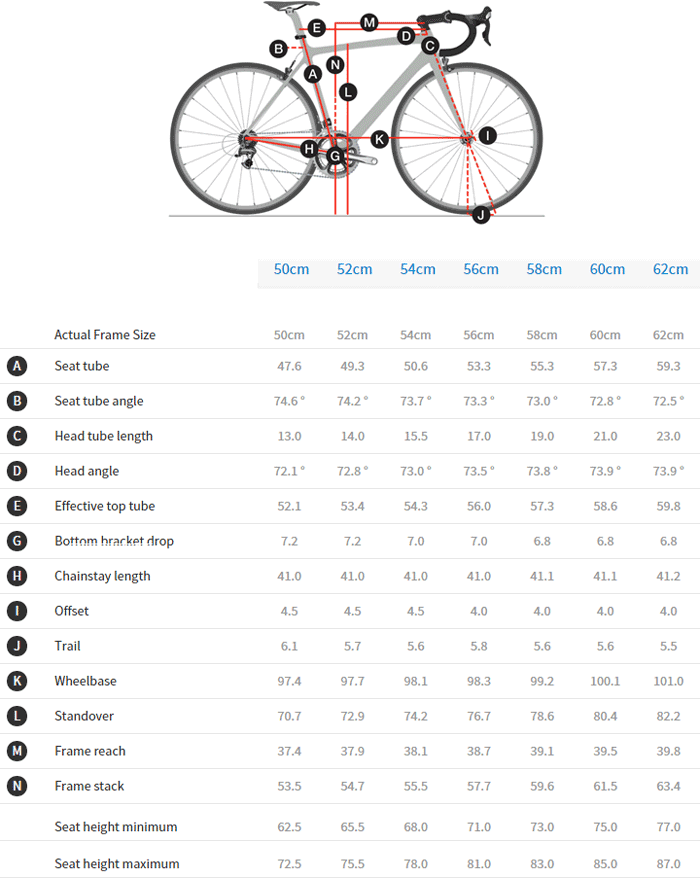
- Frame geometry: A more sloping downtube and shorter chainstays can help improve pedaling efficiency and reduce discomfort.
- Saddle shape and size: A wider, lower saddle with rounded edges can provide better support and pressure distribution.
- Handlebar height and width: Lower handlebars can help reduce strain on the shoulders and neck.
- Crank arm length: Shorter crank arms can improve power transfer and reduce fatigue.
The Evolution of Women’s Bikes
In recent years, manufacturers have made significant strides in creating bikes that cater to women’s needs. Canyon, for example, has introduced a range of bikes specifically designed for women, including the “Roadmachine” and “Trailfire” models. Trek has also released its own line of women’s bikes, such as the “Trek Domane” and “Fruit 6”.
Specialized has taken a more nuanced approach, offering both unisex and women’s bikes with adjustable componentry and geometric designs.
Componentry Options
In addition to frame geometry, manufacturers have introduced various componentry options specifically designed for women. These include:
- Wide-range gearing: More efficient gearing systems can help improve pedaling efficiency and reduce fatigue.
- Hydraulic disc brakes: Better braking performance and reduced weight make hydraulic discs an attractive option for women’s bikes.
- Saddle grips: Some saddles come with integrated grips, providing additional comfort and support.
Women’s Bike Sizing
When choosing a bike, it’s essential to ensure the right fit. Women’s bike sizing can vary between manufacturers, so it’s crucial to consult with a professional fitter or use online sizing charts to find your ideal size.
Adjustable Components
Some manufacturers offer adjustable components, such as crank arms and handlebars, that allow riders to customize their bike to suit their individual needs.
Women’s Bike Categories
There are several categories of women’s bikes, each designed for specific types of riding:
- Recreational: Designed for casual, recreational rides.
- Commuting: Built for daily commutes or short trips.
- Gravel/Adventure: Geared towards off-road adventures and rough terrain.
- Road Racing: Optimized for speed and performance on paved roads.
The Way Forward
While there is still room for improvement in terms of bike design and marketing, it’s clear that manufacturers are taking steps in the right direction. By understanding female anatomy and designing bikes accordingly, we can create a more inclusive and comfortable cycling experience for all.
Frequently Asked Questions (FAQs)
- What makes a bike “woman-friendly”?
A bike is considered woman-friendly if it incorporates design elements tailored to female riders’ bodies, such as sloping downtubes, wider saddles, and shorter handlebars. - Do I need a specialized women’s bike?
Not necessarily. Many men can benefit from bikes with adjustable componentry and geometric designs, making them suitable for both men and women. - Can I use a unisex bike for longer rides?
While some unisex bikes may be suitable for shorter rides, it’s essential to consider your individual needs and body type when choosing a bike for extended riding sessions. - What about the cost of specialized women’s bikes?
Specialized women’s bikes can range from moderately priced to very expensive, depending on the model and features.
Conclusion
Women’s cycling has come a long way in recent years, with manufacturers making significant strides in creating bikes tailored to female riders’ needs. By understanding female anatomy and designing bikes accordingly, we can create a more inclusive and comfortable cycling experience for all. Whether you’re a seasoned cyclist or just starting out, it’s essential to prioritize bike fit and comfort to ensure a safe and enjoyable ride.
Additional Resources
- Amazon links: Find women’s bikes and gear on Amazon by searching using the keywords “women’s bike” or “women’s cycling gear”.
- Bike fitting guides: Learn more about bike fitting and how to find your ideal bike by visiting websites like BikeFitting101 or The Cyclist’s Guide to Bike Fitting.
- Women’s cycling communities: Join online forums or social media groups dedicated to women’s cycling, such as the Women’s Cycling Alliance or the International Association of Women Cyclists.
Tips for Choosing the Right Bike
When selecting a bike, consider the following:
- Ride style: Think about how you plan to use your bike. Recreational rides may not require specialized components, while performance-oriented bikes will demand more efficient gearing and braking systems.
- Body type: Take into account your body shape, size, and comfort level when choosing a bike. A professional fitter can help determine the ideal fit for you.
- Riding terrain: Consider the types of surfaces you’ll be riding on most often. Gravel or off-road bikes may require more robust components than road bikes.
Women’s Cycling Safety Tips
As with any type of cycling, safety should always be the top priority:
- Wear protective gear: Wear a helmet and consider additional safety features like knee pads and elbow guards.
- Be visible: Use bright clothing or reflectors to increase visibility on the road.
- Ride defensively: Anticipate hazards and stay alert while riding.
Women’s Cycling Inspiration
To stay motivated and inspired, consider these resources:
- Cycling blogs: Follow cycling bloggers like BikeSnob or Cyclelicious for insightful articles and reviews.
- Women’s cycling podcasts: Listen to podcasts like The Cycling Podcast or Women in Cycling for inspiring stories and interviews.
- Social media communities: Join online forums or social media groups dedicated to women’s cycling, such as the Women’s Cycling Alliance or the International Association of Women Cyclists.


