
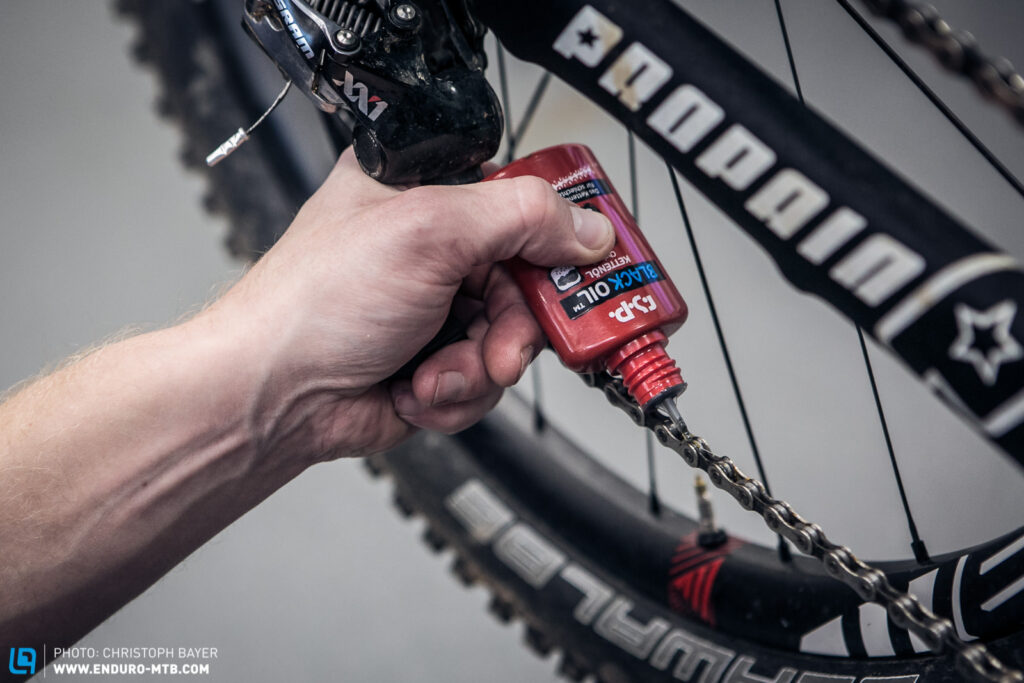
Understanding the Importance of Lubricating Your Bike Chain
When it comes to maintaining your bike, one often overlooked aspect is the lubrication of the chain. Neglecting this can lead to reduced efficiency, increased wear and tear on components, and even catastrophic failure. In this article, we will delve into the world of bike chains, exploring the best practices for lubrication, maintenance, and care.
The History of Bike Chain Lubricants
In the early days of cycling, cyclists relied on simple oil-based lubricants to keep their chains running smoothly. However, as technology advanced, so did the range of options available for bike chain lubrication. Today, there are a variety of products on the market, each with its unique characteristics and benefits.
Types of Bike Chain Lubricants
So, what makes a good bike chain lubricant? There are several factors to consider:
- Viscosity: A lubricant’s viscosity determines how well it flows and spreads across the chain. Thicker viscosities are better suited for high-traffic areas or extreme weather conditions.
- Temperature Range: Different lubricants perform better in varying temperatures. Some are designed for cold climates, while others excel in hot weather.
- Water Resistance: When riding in wet conditions, it’s essential to choose a lubricant that can withstand water exposure without breaking down.
Some popular types of bike chain lubricants include:
- Dry Lube Sprays
- Dry Lube Wipes
- Synthetic Oils
- Water-Resistant Lubricants
Choosing the Right Lubricant for Your Bike Chain
With so many options available, selecting the right lubricant can be overwhelming. Here are some factors to consider when making your decision:
- Chain Type: Different chain materials require specific lubricants. For example, steel chains benefit from dry lubes, while aluminum chains prefer synthetic oils.
- Riding Conditions: If you ride in extreme weather conditions or frequently carry heavy loads, you’ll need a more robust lubricant.
- Personal Preference: Ultimately, choose a lubricant that suits your riding style and preferences.
Best Practices for Lubricating Your Bike Chain
Now that we’ve covered the basics, let’s talk about how to properly lubricate your bike chain:
- Cleanliness is Key: Before applying any lubricant, make sure your chain is free of dirt and debris.
- Apply Evenly: Use a clean cloth or applicator to distribute the lubricant evenly across the chain.
- Avoid Over-Lubrication: Too much lubricant can attract dirt and dust, leading to premature wear.
Common Issues with Bike Chain Lubrication
Even with proper lubrication, issues can still arise. Here are some common problems and solutions:
- Chain Rusting: If you notice rust spots on your chain, it may be due to inadequate cleaning or a poor-quality lubricant.
- Choking or Dragging: If your chain is experiencing excessive drag or choking, try adjusting the cable tension or replacing the lubricant.
Preventing Chain Damage: Tips and Tricks
To ensure your bike chain remains in top condition, follow these additional tips:
- Regularly Inspect Your Chain: Keep an eye out for signs of wear, such as rust, corrosion, or excessive wear on individual links.
- Keep Your Bike Clean: Regular cleaning helps prevent dirt and debris from accumulating on your chain and surrounding components.
- Store Your Bike Properly: When not in use, store your bike in a dry, cool place to prevent damage from extreme temperatures.
Maintaining Your Chain’s Viscosity
Proper lubricant viscosity is crucial for maintaining efficient pedaling performance. Here are some tips to ensure your chain’s viscosity remains optimal:
- Check the Weather: Adjust your lubricant accordingly based on weather conditions. For example, in cold climates, a thicker lubricant may be necessary.
- Monitor Your Chain: Regularly inspect your chain for signs of excessive wear or damage, which can affect its viscosity.
Conclusion
Maintaining your bike chain is an essential part of ensuring smooth, efficient pedaling. By choosing the right lubricant and following best practices, you can extend the life of your bike components and enhance your overall riding experience.
Frequently Asked Questions (FAQs)
Q: How often should I lubricate my bike chain?
A: The frequency of lubrication depends on various factors, including riding conditions, terrain, and personal preference. As a general rule, lubricate your chain every 10-20 miles or after extended periods of inactivity.
Q: Can I use household oil to lubricate my bike chain?
A: No, it’s not recommended to use household oil for several reasons:
- Incompatibility: Household oils are often designed for automotive applications and can damage your chain.
- Insufficient Viscosity: Thinner oils may not provide sufficient lubrication for your chain.
Q: What is the difference between dry lube sprays and wipes?
A: Dry lube sprays are typically used for quick cleanups or to maintain existing lubrication. Wipes, on the other hand, offer a more convenient and mess-free application experience.
Q: Can I use silicone-based products as chain lubricants?
A: No, silicone-based products can attract dirt and dust, leading to premature wear and chain damage. Instead, opt for dry lubes or synthetic oils specifically designed for bike chains.
Q: How do I prevent chain rusting?
A: To prevent chain rusting, ensure your chain is properly cleaned after each ride, and consider using a rust-inhibiting lubricant. Regularly inspect your chain for signs of rust and address any issues promptly.
Q: What are some common symptoms of a dirty or neglected bike chain?
- Choking or Dragging: If your chain is experiencing excessive drag or choking, it may be due to a dirty or neglected chain.
- Unusual Sounds: Strange noises from the drivetrain can indicate a problem with the chain or surrounding components.
By following these tips and guidelines, you’ll be well on your way to becoming a pro at optimizing your bike chain. Remember, a well-maintained bike is not only more enjoyable to ride but also safer and longer-lasting.


