
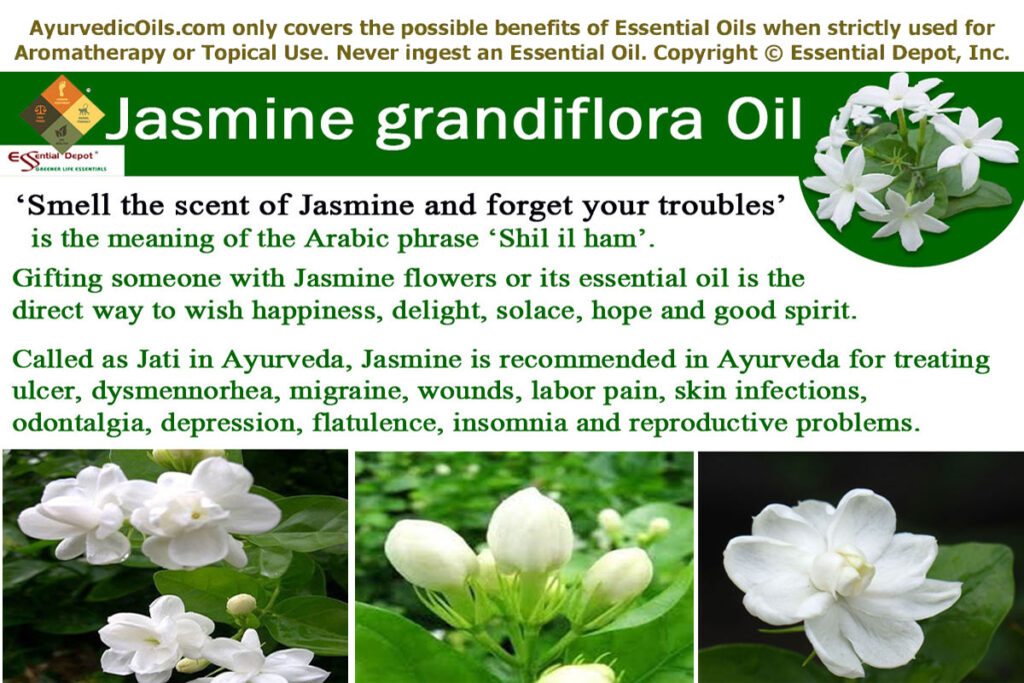
Jasmine, commonly known as Gelsomino in Italian, is a fragrant flowering plant belonging to the Oleaceae family. With over 200 species, it’s hard not to associate jasmine with elegance and beauty. From its stunning flowers to its therapeutic properties, jasmine has been cherished for centuries.
What is Jasmine?
Jasmine refers to the flower of the Jasminum genus, which includes a variety of species such as Jasminum officinale and Jasminum grandiflorum. This fragrant flower has been prized for its beauty and medicinal properties since ancient times. In Persian, jasmine is known as Yasamin, while in Greek and Roman mythology, it was associated with Aphrodite and Venus.
Properties of Jasmine
Jasmine is a perennial plant that thrives in warm climates. Its leaves are small and green, while its flowers are white but not the only color variety – they can also be yellow or white. The most notable characteristic of jasmine is its powerful fragrance, which has been used for centuries in perfumes, aromatherapy, and rituals.
In ancient times, jasmine was believed to have antispasmodic properties, and it was used to treat various ailments such as insomnia, emicrania, and loss of memory. In modern times, jasmine is still used in herbal remedies to alleviate stress, anxiety, and digestive issues.
Cultivating Jasmine
While jasmine can be grown outdoors, it prefers to be cultivated in a pot or container. It thrives in well-draining soil and requires regular watering and fertilization. To encourage its growth, jasmine needs support as it climbs upwards. With proper care, jasmine can reach up to 10 meters in height.
Types of Jasmine
There are several varieties of jasmine, each with unique characteristics:
- Jasmine White: This is the most common variety, known for its pure white flowers and delicate fragrance.
- Jasmine Yellow: Also known as “Gelsomino di San Giuseppe,” this variety has yellow flowers that bloom from late winter to early spring.
- Jasmine Notturno: This variety blooms at night, producing fragrant flowers in shades of pink and white.
Fragrance and Perfumes
The fragrance of jasmine is renowned for its seductive and calming properties. In ancient times, it was used in perfumes and incense to attract lovers and promote relaxation. Today, jasmine is still used in the production of luxury perfumes and fragrances.
- Jasmine Oil: The essential oil extracted from jasmine flowers is prized for its therapeutic and sensual properties.
- Jasmine Water: Jasmine water is a popular ingredient in skincare products, known for its antioxidant and anti-inflammatory properties.
Medicinal Uses
Jasmine has been used for centuries as a natural remedy for various ailments. Some of its most notable medicinal uses include:
- Insomnia: Jasmine has been used to treat insomnia due to its sedative properties.
- Anxiety: The calming scent of jasmine can help alleviate anxiety and stress.
- Digestive Issues: Jasmine tea is often consumed to soothe digestive issues such as nausea and indigestion.
Skincare and Haircare
Jasmine has been used in skincare products for centuries due to its antioxidant and anti-inflammatory properties. Its fragrance also has a calming effect on the skin, reducing stress and promoting relaxation. In haircare, jasmine oil is often used to promote healthy hair growth and reduce dandruff.
Rituals and Ceremonies
In ancient times, jasmine was used in rituals and ceremonies to attract lovers and promote spiritual growth. Today, it’s still used in various cultural and religious practices around the world. For example:
- Weddings: Jasmine is often used in wedding ceremonies due to its romantic and fragrant properties.
- Spiritual Practices: Jasmine is used in meditation and prayer to promote relaxation and spiritual growth.
Conclusion
Jasmine is a beautiful and versatile plant with a rich history of use in perfumes, rituals, medicine, skincare, haircare, and more. With over 200 species to choose from, jasmine offers something for everyone – whether you’re looking for a fragrant flower or a therapeutic herb. By cultivating and appreciating jasmine, we can tap into its natural beauty and well-being benefits.
Frequently Asked Questions (FAQs)
- What is the best way to care for jasmine? Jasmine prefers well-draining soil and regular watering. It requires support as it climbs upwards and should be pruned regularly.
- How long does it take for jasmine to bloom? The blooming period of jasmine varies depending on the variety, but most species produce flowers in late winter or early spring.
- Can I grow jasmine indoors? Yes, jasmine can be grown indoors in a pot or container. However, it requires bright light and warm temperatures.
- Is jasmine safe for skin and hair? Jasmine is generally considered safe for skin and hair, but its fragrance may cause allergic reactions in some individuals.
- Can I use jasmine as a natural remedy? Yes, jasmine has been used for centuries as a natural remedy for various ailments. However, consult with a healthcare professional before using it for medicinal purposes.
By understanding the beauty and significance of jasmine, we can appreciate its value beyond just its fragrance and aesthetic appeal. Whether you’re looking for a fragrant flower or a therapeutic herb, jasmine offers something for everyone – so why not give it a try?


