
Introduction
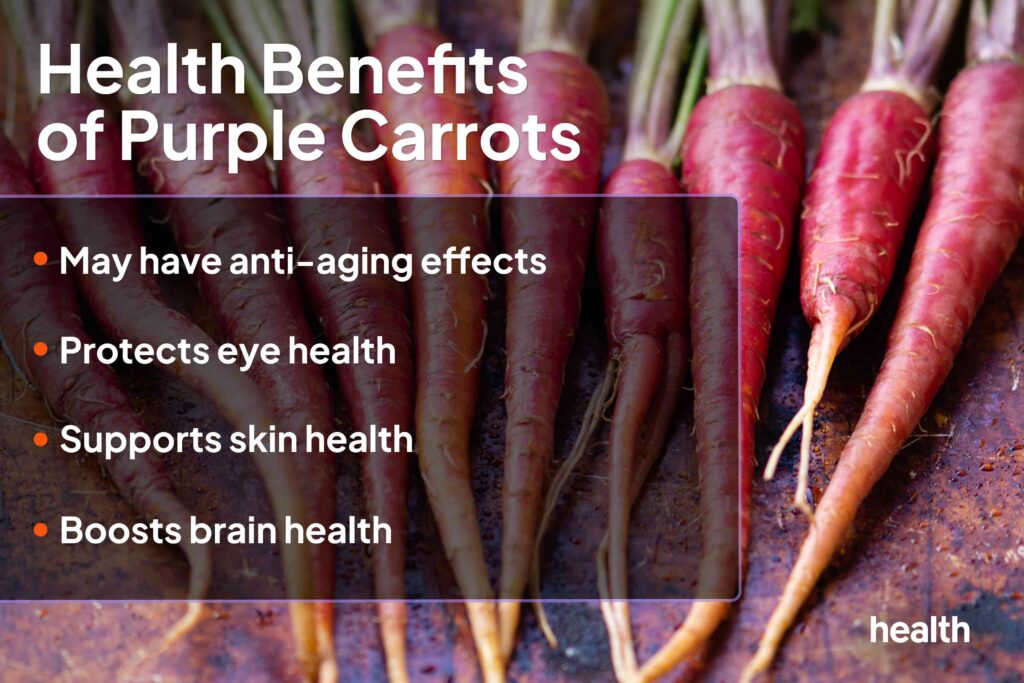
Carrots, often associated with their vibrant orange color, have a lesser-known cousin – the purple carrot. This superfood has been gaining popularity in recent years due to its impressive array of health benefits. In this article, we’ll delve into the history, nutritional properties, and therapeutic uses of purple carrots.
Origins of Purple Carrots
The purple carrot has a rich history that dates back over 2,000 years. They were first cultivated in Asia and later introduced to Europe through Arab traders. Interestingly, these colorful roots come in various shades, including white, yellow, and even deep purple.
The Rise of Orange Carrots
In the 17th century, Dutch farmers bred carrots to create a variety that would honor their royal family – the House of Orange. This resulted in the iconic orange carrot we know today. While these carrots have become staples in many cuisines, they pale in comparison to the nutritional prowess of their purple counterparts.
What Makes Purple Carrots Special?
So, what sets purple carrots apart from your average orange variety? It’s all about the unique combination of nutrients and antioxidants present in these roots. The main culprit behind this difference is a substance called anthocyanin – an anti-inflammatory agent responsible for their deep purple hue.
Anthocyanins: Nature’s Antioxidant Powerhouse
Anthocyanins have been shown to possess potent antioxidant properties, which can help protect against chronic diseases like cancer and cardiovascular disease. These compounds also exhibit anti-inflammatory effects, making them a valuable addition to any health-conscious diet.
The Science Behind Anthocyanins
Research suggests that anthocyanins work by neutralizing free radicals in the body, thereby reducing oxidative stress and inflammation. This can lead to improved overall health, as well as reduced risk of chronic diseases like cancer, heart disease, and neurodegenerative disorders.
Purple Carrots: A Diabetes-Friendly Food?
Research suggests that anthocyanin-rich foods like purple carrots may help regulate blood sugar levels in individuals with diabetes. By regulating glucose metabolism, these roots can potentially reduce the risk of complications associated with the condition.
The Digestive Benefits of Purple Carrots
In addition to their impressive nutritional profile, purple carrots have been found to aid digestion and promote gut health. Rich in dietary fiber, they can help regulate bowel movements, alleviate constipation, and even support weight loss efforts.
Reducing Varicose Veins with Purple Carrots
But that’s not all – these roots may also hold the key to reducing varicose veins and improving overall circulation. Anthocyanin has been shown to exhibit anti-inflammatory effects on blood vessels, which can help alleviate discomfort associated with venous insufficiency.
Preventing Colon Cancer: The Power of Purple Carrots
The antioxidants present in purple carrots have also been found to possess anti-cancer properties, particularly when it comes to colon cancer. By protecting against cell damage and promoting healthy cell growth, these roots may help lower the risk of this devastating disease.
How Purple Carrots Compare to Orange Carrots
While orange carrots are rich in vitamin A, a nutrient essential for eye health, purple carrots offer an additional advantage – their high anthocyanin content. This provides an antioxidant boost that can complement the benefits of vitamin A.
A Delicious Way to Reap Benefits: Purple Carrot Smoothie Recipe
Now that we’ve explored the numerous health benefits of purple carrots, let’s talk about how to incorporate them into your diet. Here’s a simple recipe for a delicious and nutritious smoothie:
Ingredients:
- 2 purple carrots
- 1 apple (organic)
- 1 tablespoon fresh lime juice
- 200ml water
Instructions:
- Wash and chop the carrots.
- Blend with the apple, lime juice, and water until smooth.
- Enjoy!
Growing Purple Carrots at Home
While it may be challenging to find purple carrot seeds in local nurseries, you can still try growing them at home. Consider purchasing a “Plant Theatre” kit that includes rare and colorful varieties – including the coveted purple carrot.
By incorporating these incredible roots into your diet, you’ll not only taste the sweetness of health but also reap the rewards of their impressive nutritional profile.
Frequently Asked Questions
- Q: What are the potential side effects of consuming large amounts of anthocyanin?
A: While anthocyanins have been shown to be generally safe in moderation, consuming extremely high doses may cause gastrointestinal upset or interact with certain medications. - Q: Can purple carrots help lower cholesterol levels?
A: Research suggests that the fiber and antioxidants present in these roots may contribute to improved cardiovascular health, including reduced cholesterol levels. - Q: Are purple carrots a suitable substitute for regular carrots in recipes?
A: Due to their slightly sweeter taste and higher water content, it’s recommended to adjust seasoning and cooking times when substituting purple carrots for orange varieties. - Q: Can purple carrots help alleviate symptoms of menopause?
A: Some research suggests that the antioxidants present in these roots may help reduce inflammation and alleviate symptoms associated with menopause, but more studies are needed to confirm this. - Q: Are purple carrots suitable for individuals with kidney disease?
A: While anthocyanins have been shown to be generally safe in moderation, it’s essential to consult a healthcare professional before incorporating large amounts of these roots into your diet if you have kidney disease. - Q: Can purple carrots help manage blood pressure?
A: Some research suggests that the fiber and antioxidants present in these roots may contribute to improved cardiovascular health, including reduced blood pressure levels. - Q: Are purple carrots a good option for individuals with digestive issues?
A: The high fiber content in purple carrots can aid digestion and promote gut health, making them an excellent choice for those experiencing digestive discomfort. - Q: Can purple carrots be used as a natural remedy for migraines?
A: While anthocyanins have been shown to exhibit anti-inflammatory effects, there is limited research on their potential benefits in alleviating migraines. Consult with a healthcare professional before using these roots as a treatment option.
Conclusion
In conclusion, purple carrots offer an impressive array of health benefits that can complement the nutritional profile of orange carrots. By incorporating these incredible roots into your diet, you’ll not only reap the rewards of their impressive antioxidant content but also experience improved overall health and well-being. Whether you’re looking to manage diabetes, alleviate digestive issues, or simply boost your immune system, purple carrots are an excellent choice. So go ahead – give them a try!


