
As you may have heard, the diagnosis of favism can be a distressing experience for some individuals. However, it’s essential to remember that this condition is not a life sentence of deprivation. In fact, people with favism can lead normal lives by avoiding certain foods and substances.
What is Favism?
Favism is a genetic disorder characterized by a deficiency in the enzyme glucose-6-phosphate dehydrogenase (G6PD). This enzyme is essential for the proper development and maintenance of red blood cells. When individuals with favism consume certain foods or substances, they can trigger an episode of hemolysis, which can lead to “breakdown” of red blood cells.
Recognizing the Signs of Favism
If you suspect that you or a loved one has favism, it’s essential to look out for the following signs:
- Pale skin: Anemia caused by low red blood cell count
- Yellowish skin, eyes, and tongue: Icterus (bilirubin buildup) due to broken-down red blood cells
- Dark yellow urine: Urine containing high levels of bilirubin
- Fatigue, rapid heartbeat, and difficulty breathing: Low oxygen levels in the body due to inadequate red blood cell production
- Fever: Elevated temperature due to the body’s response to hemolysis
Understanding the Causes of Favism
Favism is an inherited condition, meaning it’s passed down from parents to children. However, not everyone with the genetic predisposition will experience symptoms. The severity and frequency of episodes vary widely among individuals.
Some populations are more susceptible to favism due to their genetic makeup. For example:
- Up to 20% of certain African populations have a higher risk of developing favism
- Certain Southeast Asian and Papua New Guinean populations also exhibit a higher incidence
Foods and Substances to Avoid
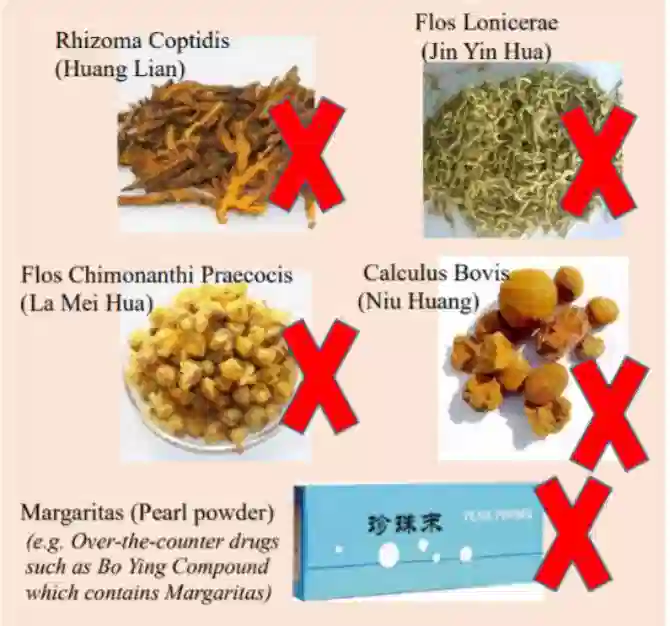
While it may seem daunting, avoiding specific foods and substances is key to managing favism. Here are some items to steer clear of:
- Legumes: Beans, lentils, and peas can trigger hemolysis in individuals with G6PD deficiency
- Sulfites: Found in many wines, especially white ones, and used as preservatives in dried fruits and nuts
- Menthols: Commonly found in caramels, gelatos, candies, toothpaste, and other products
- Artificial colorants: Used in some foods and cosmetics, particularly in blue-colored products like tortes and gelatos
- Ascorbic acid (Vitamin C): Some vitamin supplements may contain this compound, which can exacerbate hemolysis
- Chinoline: Found in tonic water and other medications
Medications to Avoid
Certain medications can also trigger favism. Be sure to steer clear of:
- Aspirin and salicylates: Common pain relievers that can worsen hemolysis
- Sulfonamides: Antibiotics used to treat bacterial infections
- Chinoline: As mentioned earlier, this compound is found in tonic water and some medications
Is Favism an Allergy?
No, favism is not an allergy. It’s a genetic disorder caused by a deficiency in the G6PD enzyme. While certain foods or substances can trigger hemolysis, it’s essential to understand that these reactions are not allergic responses.
In individuals with favism, consuming specific foods or substances can lead to a drop in G6PD activity, which can worsen symptoms. It’s crucial to avoid these items to prevent episodes of hemolysis.
Conclusion
Favism is a common condition that can be managed by avoiding certain foods and substances. By understanding the causes, signs, and risks associated with favism, you can take steps to protect yourself or your loved ones. Always consult with a healthcare professional for personalized advice on managing favism.
Frequently Asked Questions (FAQs)
- How is favism diagnosed?
- Favism is typically diagnosed through a simple blood test that measures G6PD levels.
- What are the symptoms of favism in children?
- Children with favism may exhibit pale skin, yellowish eyes and tongue, dark urine, fatigue, rapid heartbeat, and difficulty breathing after consuming certain foods or substances.
- Can favism be cured?
- Favism is a genetic disorder, and there is no cure. However, by avoiding trigger foods and substances, individuals can manage symptoms and prevent episodes of hemolysis.
- How common is favism?
- Favism is relatively common in certain populations, with up to 20% of some African populations at higher risk.
- Can favism be treated?
- Treatment typically involves avoiding trigger foods and substances, as well as monitoring G6PD levels through regular blood tests.
Managing Favism
To effectively manage favism, individuals should follow these steps:
- Consult a healthcare professional: Schedule an appointment with your doctor or a specialist to discuss your diagnosis and develop a personalized treatment plan.
- Avoid trigger foods and substances: Identify and avoid the specific items that can trigger hemolysis in your body.
- Monitor G6PD levels: Regularly check your enzyme levels through blood tests to ensure they are within normal ranges.
- Stay hydrated: Drink plenty of water to prevent dehydration, which can exacerbate symptoms.
- Avoid stress: Manage stress effectively to reduce the risk of episodes triggered by emotional factors.
By following these guidelines and consulting with a healthcare professional, individuals with favism can lead healthy and fulfilling lives while minimizing the risk of harm from harmful foods and substances.
Additional Resources
For further information on managing favism and avoiding harmful foods and substances, consult the following resources:
- National Institutes of Health (NIH): Visit the NIH website for detailed information on G6PD deficiency and its management.
- American Academy of Pediatrics: Consult the AAP’s guidelines for managing favism in children.
- Genetic and Rare Diseases Information Center: Access comprehensive information on genetic disorders, including favism, through this online resource.
By staying informed and taking proactive steps to manage your condition, you can reduce the risk of harm from harmful foods and substances and lead a healthy life.


