
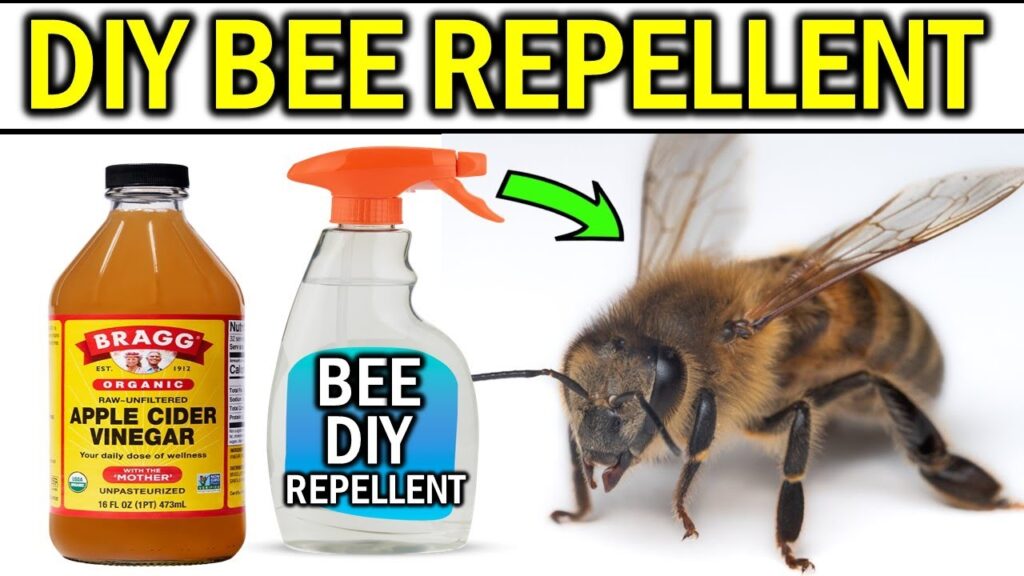
Bees play a crucial role in our ecosystem, and their importance cannot be overstated. They are responsible for pollinating many crops, including fruits, vegetables, and nuts. Without bees, our food supply would be severely impacted, leading to widespread shortages and economic losses.
Understanding the Importance of Bees in Our Ecosystem
Bees are some of the most important insects on the planet. They are responsible for pollinating over 75% of the world’s crop species, including coffee, chocolate, and nuts. Without bees, our food supply would be severely impacted. In fact, it is estimated that one-third of all the food we eat is directly or indirectly dependent on bee pollination.
The Life Cycle of Bees: A Short Overview
A honey bee’s life cycle is relatively short, with a worker bee living for just 4-6 weeks during the summer months. In fact, every day, thousands of worker bees leave their hives to die, as part of the natural process of colony turnover.
Why Using Insecticides is Not the Solution
Using insecticides to get rid of bees is not only ineffective but also poses a significant risk to our ecosystem. Bees are not aggressive creatures and are actually quite docile. If an individual bee feels threatened or cornered, it will defend itself by stinging, but this is rare.
The Consequences of Using Insecticides
Using insecticides can have devastating consequences for bees and the environment. Bees are sensitive to pesticides, which can disrupt their social structure and ultimately lead to colony collapse. Moreover, insecticides can also contaminate soil, water, and air, affecting other species in the ecosystem.
Finding Alternative Solutions: Working with Beekeepers
So, what can you do if you have a bee problem? Instead of resorting to insecticides, consider contacting a local beekeeper. Beekeepers are experts in managing bee colonies and can provide advice on how to peacefully coexist with bees.
The Difference Between Bees and Wasps
It’s not uncommon for people to mistake bees for wasps, but they are actually quite different. Bees are social creatures that live in colonies, while wasps are solitary and only come together during mating season.
How to Identify Bees vs. Wasps
To identify whether you have a bee or wasp problem, contact your local authorities or health department for assistance. They can provide guidance on how to safely and humanely remove the bees.
Using Smoke to Repel Bees: A Traditional Method
One traditional method for repelling bees is to use smoke. This involves pouring water over a metal container filled with coffee grounds, then lighting it on fire. The smoke released will help calm the bees, allowing you to safely remove them from your property.
The Risks of Using Insecticides Against Bees
Using insecticides against bees is not only ineffective but also carries significant risks. Bee colonies are often clustered together in large numbers, making it difficult for insecticides to penetrate and reach individual bees.
Legislation Protecting Bee Colonies
There are laws in place that protect bee colonies from damage or destruction. Perpetrating such actions can result in fines and penalties.
Conclusion: A New Approach to Bee Management
In conclusion, using insecticides to get rid of bees is not a viable solution. Instead, consider working with local beekeepers who can provide expert advice on how to peacefully coexist with bees. By understanding the importance of bees and taking steps to protect their colonies, we can work towards preserving these vital pollinators.
FAQs
- Q: How do I know if I have a bee problem?
- If you notice bees flying around your home or property, it’s likely that you have an infestation.
- Q: Can bees sting me if they feel threatened?
- Yes, but this is rare. Bees will only sting in self-defense, and even then, it’s usually not fatal.
- Q: How do I safely remove bees from my property?
- If you have a bee problem, contact a local beekeeper or pest control service for assistance.
- Q: Can insecticides harm other species in the ecosystem?
- Yes, insecticides can contaminate soil, water, and air, affecting other species in the ecosystem.
- Q: What are some alternative methods for repelling bees?
- There are several alternative methods available, including using smoke, which can help calm bees and allow safe removal.
- Q: Are there laws protecting bee colonies?
- Yes, there are laws in place that protect bee colonies from damage or destruction.
- Q: How can I prevent bee infestations on my property?
- Regularly inspect your property for signs of bees and take steps to prevent infestations, such as sealing entry points and removing food sources.
By taking a new approach to bee management and working with local experts, we can preserve these vital pollinators and protect the health of our ecosystem.


