
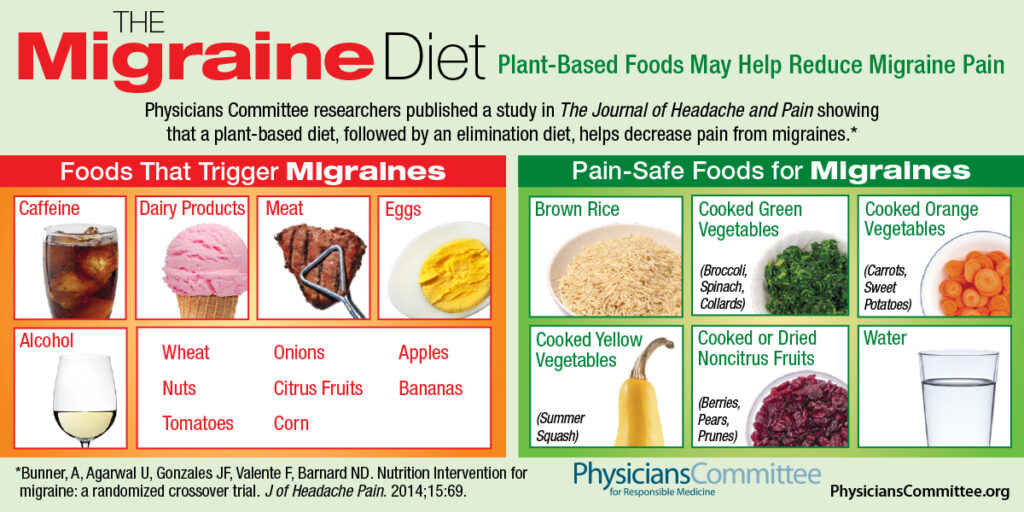
As the old adage goes, “you are what you eat.” While this phrase may be an exaggeration, there is a significant connection between diet and headache. A well-balanced diet can help alleviate symptoms of headache, while certain foods and ingredients can trigger or worsen them.
In this article, we will explore the relationship between diet and headache, including which foods to consume and avoid, as well as some practical tips for managing headaches through nutrition.
The Science Behind Diet and Headache
Headaches are a complex condition that can be influenced by various factors, including diet. Research has shown that certain nutrients and compounds found in food can either relax or constrict blood vessels, leading to headache symptoms. For example:
- Magnesium-rich foods: Magnesium is an essential mineral that plays a crucial role in muscle relaxation and contraction. Foods rich in magnesium, such as bananas, spinach, and almonds, can help relax blood vessels and alleviate tension headaches.
- Vitamin B6: Vitamin B6 is a water-soluble vitamin that helps regulate the constriction and relaxation of blood vessels. Foods high in vitamin B6, like bananas, avocados, and lean meats, may also play a role in alleviating headache symptoms.
- Omega-3 fatty acids: Omega-3 fatty acids have anti-inflammatory properties that may help reduce inflammation in the body and alleviate headache symptoms.
On the other hand, some foods and ingredients can trigger or worsen headache symptoms. These include:
- Caffeine: While a small amount of caffeine may provide temporary relief from headache symptoms, excessive consumption can lead to dehydration, which can exacerbate headaches.
- Processed meats: Foods high in sodium, like processed meats, can cause blood vessels to constrict, leading to tension headaches.
- Artificial sweeteners: Aspartame and other artificial sweeteners have been linked to headaches in some individuals.
Foods That Can Help Alleviate Headache Symptoms
While there is no magic bullet for preventing or curing headaches, incorporating certain foods into your diet can help alleviate symptoms. These include:
- Water-rich foods: Fresh fruits, cucumbers, and celery are all high in water content, which can help prevent dehydration and alleviate headache symptoms.
- Omega-3 rich foods: Fatty fish like salmon, sardines, and mackerel contain omega-3 fatty acids, which have anti-inflammatory properties that may help reduce inflammation in the body and alleviate headache symptoms.
- Magnesium-rich foods: Bananas, spinach, almonds, and avocados are all good sources of magnesium, a mineral that can relax blood vessels and alleviate tension headaches.
Foods That Can Trigger or Worsen Headache Symptoms
While certain foods can help alleviate headache symptoms, others may trigger or worsen them. These include:
- Caffeine: While a small amount of caffeine may provide temporary relief from headache symptoms, excessive consumption can lead to dehydration and worsen headaches.
- Processed meats: Foods high in sodium, like processed meats, can cause blood vessels to constrict, leading to tension headaches.
- Artificial sweeteners: Aspartame and other artificial sweeteners have been linked to headaches in some individuals.
Practical Tips for Managing Headaches through Nutrition
While there is no single solution for managing headaches through nutrition, incorporating certain foods into your diet can help alleviate symptoms. Here are some practical tips:
- Stay hydrated: Drink plenty of water throughout the day to prevent dehydration, which can exacerbate headache symptoms.
- Eat regular meals: Skipping meals or going without food for long periods can lead to blood sugar fluctuations and worsen headaches.
- Choose whole foods: Focus on whole, unprocessed foods like fruits, vegetables, lean meats, and whole grains, which are rich in nutrients and antioxidants that may help alleviate headache symptoms.
Additional Tips for Managing Headaches through Nutrition
In addition to incorporating certain foods into your diet, there are several other tips that can help manage headaches:
- Keep a food diary: Tracking the foods you eat and any headache symptoms that occur can help identify trigger foods and patterns.
- Experiment with new recipes: Incorporating new ingredients and flavors into your meals can help keep your diet interesting and prevent boredom, which may contribute to headaches.
- Consider supplementing with nutrients: If you’re struggling to get enough of certain nutrients through food alone, consider talking to a healthcare professional about supplement options.
Foods That May Help Prevent Headaches
While there is no single food that can prevent all types of headaches, incorporating certain foods into your diet may help reduce the frequency and severity of headache symptoms. These include:
- Bananas: Rich in potassium, bananas can help relax blood vessels and alleviate tension headaches.
- Spinach: Packed with magnesium and other nutrients, spinach may help regulate blood vessel constriction and relaxation.
- Almonds: High in magnesium, almonds can help relax blood vessels and alleviate tension headaches.
Foods That May Worsen Headaches
While certain foods can trigger or worsen headache symptoms, incorporating the following foods into your diet may help alleviate symptoms:
- Cucumbers: Rich in water content, cucumbers can help prevent dehydration and alleviate headache symptoms.
- Salmon: High in omega-3 fatty acids, salmon may help reduce inflammation in the body and alleviate headache symptoms.
- Avocados: Packed with magnesium and other nutrients, avocados may help relax blood vessels and alleviate tension headaches.
Conclusion
The connection between diet and headache is complex, but incorporating certain foods into your diet can help alleviate symptoms. By focusing on whole, nutrient-rich foods and avoiding trigger foods, you can take a proactive approach to managing headaches through nutrition.
Frequently Asked Questions (FAQs)
Q: What are some of the best foods for preventing headaches?
A: Foods rich in magnesium, vitamin B6, and omega-3 fatty acids, such as bananas, spinach, almonds, avocados, salmon, sardines, and mackerel, may help alleviate headache symptoms.
Q: Can artificial sweeteners trigger or worsen headache symptoms?
A: Yes, some individuals have reported headaches triggered by artificial sweeteners like aspartame. While the exact mechanism is unclear, it’s possible that these substances can cause blood vessel constriction or inflammation in the body.
Q: How can I stay hydrated to prevent dehydration and alleviate headache symptoms?
A: Drink plenty of water throughout the day, aiming for at least eight glasses per day. You can also consume foods high in water content, like cucumbers and celery.
Q: Can skipping meals worsen headaches?
A: Yes, skipping meals or going without food for long periods can lead to blood sugar fluctuations, which may exacerbate headache symptoms.
Q: How can I manage stress and prevent headaches through nutrition?
A: Focus on whole, nutrient-rich foods, and avoid trigger foods like processed meats and artificial sweeteners. Additionally, consider incorporating stress-reducing nutrients like omega-3 fatty acids and magnesium into your diet.


